
Imagine your guitar sound suddenly swirling and dancing, like a cosmic wave washing over the notes. That’s the magic of a phaser pedal! It adds a unique, watery, and sometimes psychedelic texture that can make your music truly stand out. But if you’ve ever looked at all the different phaser pedals out there, you know it can feel a bit overwhelming. So many knobs, so many brands – where do you even begin?
Choosing the right phaser pedal can be tricky. You want that perfect swirl, but you don’t want to waste your money on something that doesn’t sound right for *your* music. Maybe you’ve tried a few and they all sounded a little too thin, or perhaps too muddy. It’s a common problem for guitarists wanting to add this cool effect to their sound.
This guide is here to help! We’ll break down what makes a phaser pedal tick, explore different types, and give you the inside scoop on how to find the one that will make your guitar sing. By the end, you’ll feel confident in choosing a phaser pedal that will unlock new creative possibilities for your playing.
Our Top 5 Phaser Pedal Recommendations at a Glance
Top 5 Phaser Pedal Detailed Reviews
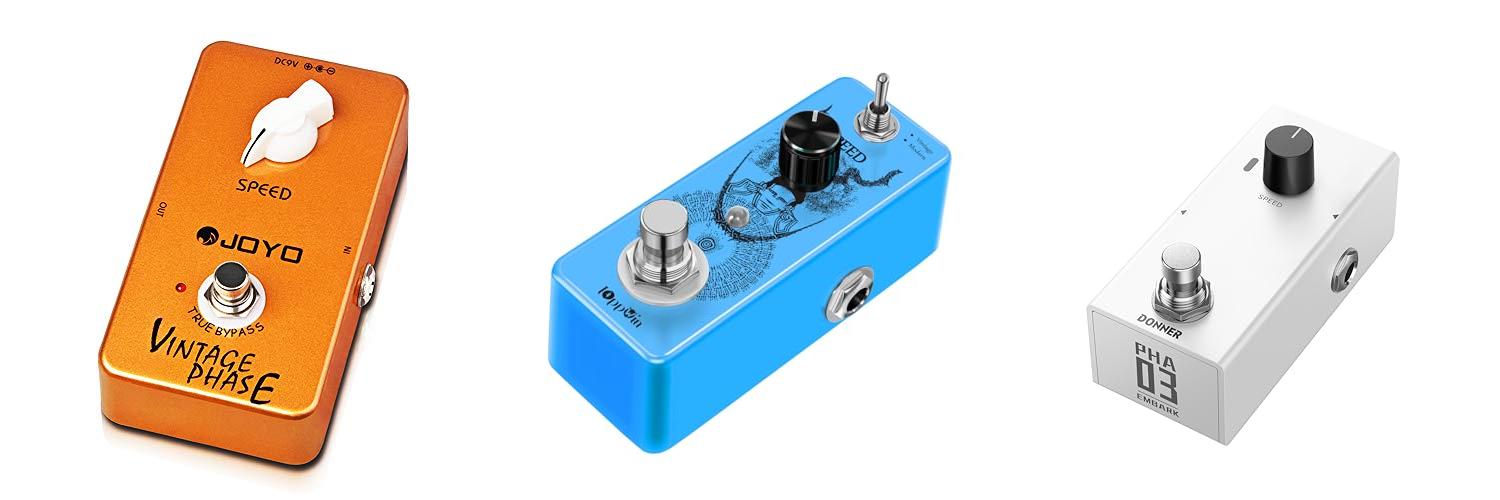
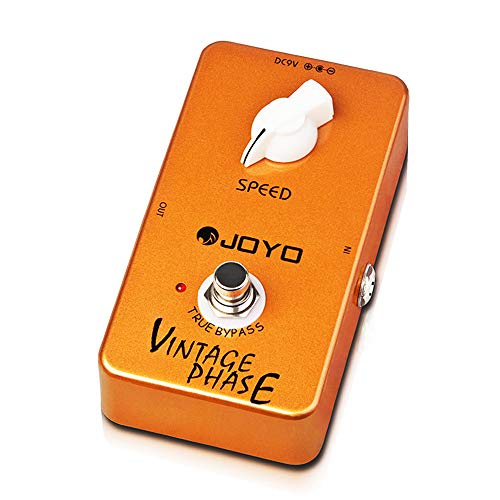
1. JOYO Vintage Phase Effect Pedal Beautifully Re-Creates Classic Phaser Sounds of 70’s for Electric Guitar Effect – True Bypass (JF-06)
Rating: 8.6/10
Get ready to travel back in time with the JOYO Vintage Phase Effect Pedal (JF-06)! This pedal is designed to bring you those awesome, swirling phaser sounds that made the 70s so special. It’s super easy to use, so you can start making cool music right away. Just plug in your electric guitar and get ready for that classic “in-and-out of phase” tone.
What We Like:
- It beautifully recreates the iconic phaser sounds of the 1970s.
- Using it is a breeze with just one “speed” control knob.
- True bypass keeps your guitar’s original tone sounding clear and strong.
- The strong aluminum-alloy housing with a classic finish looks great and is built to last.
- JOYO is a trusted brand with a great reputation for making awesome and affordable gear for guitarists everywhere.
What Could Be Improved:
- To make sure the pedal works its best and avoids any weird noises, it’s a good idea to get a separate JOYO power adapter or a reliable audio cable that meets the pedal’s power needs.
If you want to add that vintage phaser magic to your guitar sound without breaking the bank, the JOYO Vintage Phase pedal is a fantastic choice. It delivers classic tone with simple operation.
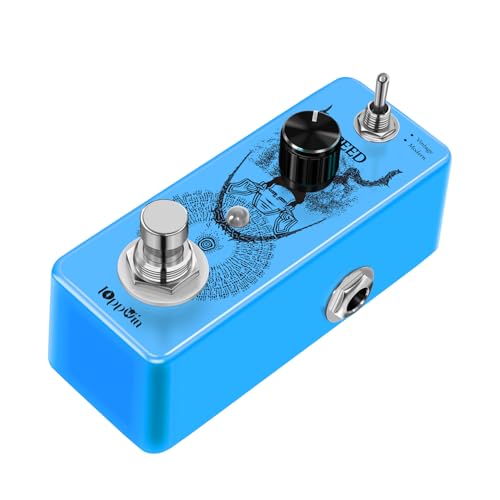
2. IOppWin Analog Phaser Guitar Effect Pedal – Vintage & Modern Modes
Rating: 9.4/10
The IOppWin Analog Phaser Guitar Effect Pedal is a fantastic tool for guitarists who want to add some awesome swirling sound to their music. It’s built tough with a metal case, so it can handle being on the road. This pedal lets you choose between two cool phasing sounds: a warm, psychedelic vibe from the 1970s, or a deeper, richer sound for modern music. No matter which setting you pick, you get a pure, warm tone because it uses all analog parts. This means no weird digital sounds, just authentic guitar magic. It’s also super small, so it won’t take up much space on your pedalboard.
What We Like:
- You get two awesome phasing sounds with the Vintage and Modern modes.
- The all-analog circuit makes your guitar sound warm and real.
- It’s made of strong metal, so it’s built to last.
- True bypass keeps your guitar’s original sound when the pedal is off.
- Its small size is great for crowded pedalboards.
What Could Be Improved:
- The “Vintage” mode might be a bit too subtle for some players.
- Instructions for finding the perfect settings could be clearer.
This pedal offers a lot of sonic possibilities in a small package. It’s a solid choice for any guitarist looking to add a classic or contemporary phaser effect to their sound.
3. Donner EMBARK 03 Phaser Guitar Pedal

Rating: 9.0/10
Get ready to add some swirling magic to your guitar sound with the Donner EMBARK 03 Phaser! This cool pedal lets you bring back those classic phase effects that make your guitar sing. It’s built with real analog parts, so your sound stays warm and full. Plus, you can make it uniquely yours with its DIY shell!
What We Like:
- It makes your guitar sound like the classics!
- You can decorate the outside to make it your own.
- The sound stays clear, even when you crank it up.
- It’s built tough with an aluminum case, so it’s great for playing shows.
- It’s super simple to use with just one knob.
- It works well for playing live or recording music.
What Could Be Improved:
- It needs to be plugged into power; the power adapter is not included.
The Donner EMBARK 03 Phaser is a fantastic way to get a classic sound and express your creativity. It’s a solid choice for any guitarist looking to add a special touch to their music.
4. JIM DUNLOP Phase 90 Guitar Effects Pedal

Rating: 8.9/10
The JIM DUNLOP Phase 90 Guitar Effects Pedal (M101) is a legendary stompbox that adds a magical swirling sound to your guitar. It’s the very same pedal that countless guitar heroes have used to create some of the most iconic guitar tones in music history. This pedal delivers a rich, warm analog sound that can transform your guitar playing.
What We Like:
- It creates a cool, shimmery sound.
- It adds a dramatic swooshing effect to your guitar tone.
- The sound is warm and rich, thanks to its analog nature.
- It’s a classic effect used on many famous songs.
- It’s easy to plug in and start using.
What Could Be Improved:
- It needs a 9V battery to work, which you have to buy separately.
- It works best with Polaroid 9V batteries, which might not be as easy to find everywhere.
This pedal is a fantastic way to add a classic, exciting sound to your guitar. It’s a must-have for any guitarist looking to capture that timeless phase-shifting magic.
5. JHS Pedals 3 Series Phaser

Rating: 9.0/10
The JHS Pedals 3 Series Phaser is a fantastic tool for any guitarist looking to add some classic or even wild new sounds to their music. This pedal is inspired by the cool phaser effects from the 1970s. It’s super easy to use, with only three main knobs and a switch. This makes it great for beginners just starting out, but it also has enough depth for experienced players who want to experiment.
What We Like:
- It gives you all the classic phaser sounds you’d expect, like those swirly, watery tones.
- The special Blend control lets you mix in more or less of the effect, creating new sounds.
- The Feedback toggle adds an extra boost to the effect, making it more intense or even a little bit crazy.
- It’s built really well in Kansas City, Missouri, with good parts and careful checks.
- It’s simple to operate, making it easy to dial in your desired sound quickly.
What Could Be Improved:
- While versatile, some players might want even more extreme or specific modulation options beyond the six stages.
- The power requirement of 9V DC Negative Center is standard but requires a specific power supply.
This pedal offers a wide range of sounds in a simple package. It’s a solid choice for anyone wanting to explore the world of phaser effects.
The Ultimate Buying Guide: Finding Your Perfect Phaser Pedal
What is a Phaser Pedal?
A phaser pedal is a cool guitar effect. It makes your guitar sound like it’s swirling or sweeping. Think of a gentle wave moving through your sound. This effect adds movement and depth to your music. It’s great for many music styles.
Key Features to Look For
1. Speed Control
This is how fast the “swirl” happens. A knob lets you change the speed. Faster speeds sound more energetic. Slower speeds create a dreamy feel. Some pedals have a tap tempo button. This lets you set the speed by tapping your foot.
2. Depth Control
Depth controls how strong the phaser effect is. A higher depth makes the swirl more noticeable. A lower depth makes it more subtle. You want to be able to dial in the exact amount of effect you like.
3. Feedback Control
Feedback makes the phaser effect more intense. It can create a “woosh” sound. Some pedals offer this. It adds another layer of control.
4. Waveform Options
Most phasers use a sine wave. This gives a smooth, classic sound. Some pedals offer other waveforms. Triangle waves can sound more choppy. Square waves are even more extreme. More options mean more creative possibilities.
Important Materials
Phaser pedals are usually built tough. They need to survive life on the road. Look for pedals with strong metal casings. This protects the electronics inside. Good quality knobs and switches feel better. They also last longer.
Factors That Improve or Reduce Quality
What Makes a Phaser Pedal Great:
- Good Components: High-quality electronic parts make the sound clearer. They also make the pedal more reliable.
- Solid Construction: A sturdy metal box protects the pedal. It prevents damage from bumps and drops.
- Intuitive Controls: Easy-to-use knobs and switches let you shape your sound quickly.
- True Bypass: This feature means the effect is completely out of the signal when the pedal is off. Your guitar sound stays pure.
What Can Make a Phaser Pedal Less Great:
- Cheap Plastic Parts: These can break easily. They might not feel good to use.
- Noisy Electronics: Some pedals add unwanted hum or buzz to your sound.
- Limited Controls: If a pedal only has one knob, you can’t do much with it.
- Buffered Bypass: While sometimes useful, it can change your guitar’s natural tone when the pedal is off.
User Experience and Use Cases
Who Uses Phaser Pedals?
Phaser pedals are popular with guitarists. They are also used by keyboard players and bassists. Many different music genres use phasers. Think classic rock, funk, psychedelic rock, and even some pop music.
When to Use Your Phaser Pedal:
- Adding Movement to Solos: A phaser can make your guitar solos stand out. It adds a dynamic sweep.
- Creating Rhythmic Textures: You can use a phaser to give your rhythm guitar parts a groovy feel.
- Adding Space and Depth: A gentle phaser can make your sound wider. It adds an atmospheric quality.
- Experimental Sounds: With higher feedback and different waveforms, you can create unique, otherworldly sounds.
Experimentation is key! Try different settings. See how the phaser sounds with different guitars and amps. You’ll discover many exciting ways to use it.
Frequently Asked Questions (FAQ)
Q: What is the main difference between a phaser and a flanger?
A: A phaser creates a swirling sound by using phase shifting. A flanger creates a sweeping sound by mixing the original signal with a delayed version of itself. Flangers often sound more metallic or jet-plane-like.
Q: Can I use a phaser pedal with a bass guitar?
A: Yes, many bassists use phaser pedals. They can add a cool, funky texture to bass lines.
Q: Do phaser pedals affect my guitar’s volume?
A: Most phaser pedals do not significantly change your guitar’s volume. However, some extreme settings might make the sound seem louder or quieter.
Q: What is “true bypass”?
A: True bypass means that when the pedal is turned off, your guitar’s signal goes directly from the input to the output. It doesn’t pass through the pedal’s circuitry, so your original tone is unaffected.
Q: How many knobs does a typical phaser pedal have?
A: A typical phaser pedal usually has two to four knobs. These control speed, depth, and sometimes feedback or waveform.
Q: Are there digital phaser pedals?
A: Yes, there are digital phaser pedals. They often offer more features and different types of phaser sounds compared to analog ones.
Q: What is a “script logo” phaser?
A: This refers to an older style of the MXR Phase 90 pedal that had a script logo. These are often sought after for their specific tone, which is generally considered smoother and less aggressive.
Q: Can I use a phaser pedal with distortion?
A: Yes, you can. Placing a phaser before distortion can make the swirl more pronounced. Placing it after distortion can make the phaser sound more intense and “chewy.”
Q: How do I know if a phaser pedal is good quality?
A: Look for solid metal construction, reputable brands, and good reviews from other musicians. Good components and a reliable bypass system are also signs of quality.
Q: Can I use a phaser pedal for clean guitar tones?
A: Absolutely! Phaser pedals sound great with clean tones. They add a beautiful, shimmering movement that can make clean chords and melodies really sing.
In conclusion, every product has unique features and benefits. We hope this review helps you decide if it meets your needs. An informed choice ensures the best experience.
If you have any questions or feedback, please share them in the comments. Your input helps everyone. Thank you for reading.