
Imagine spending hours perfecting a photograph, only to see it look completely different on another screen. Frustrating, right? That’s where a good photo editing monitor comes in. Choosing the right one can feel like navigating a maze. You want colors to look true, details to pop, and your work to shine. But with so many technical terms and features, it’s easy to get lost.
This guide is here to help you make sense of it all. We’ll break down what really matters when picking a monitor for your photos. You’ll learn how to avoid common mistakes and find a display that makes your editing process smoother and your final images stunning. Get ready to unlock the full potential of your photography!
Our Top 5 Photo Editing Monitors Recommendations at a Glance


Top 5 Photo Editing Monitors Detailed Reviews
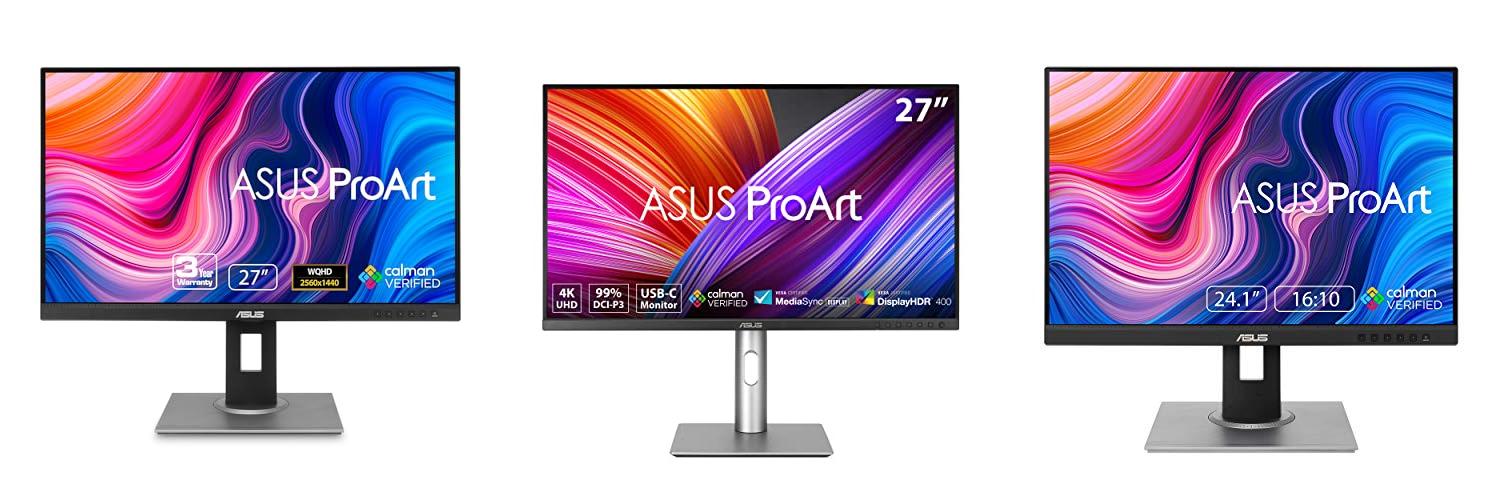
1. ASUS ProArt Display PA278QV 27” WQHD (2560 x 1440) Monitor
Rating: 9.4/10
Meet the ASUS ProArt Display PA278QV, a 27-inch monitor designed for people who need super accurate colors, like artists and video editors. It has a sharp WQHD resolution (2560 x 1440), so everything looks clear and detailed. The screen shows 100% of the colors found in sRGB and Rec. 709, which are common standards for digital images and video. This means the colors you see on screen are very close to what they are supposed to be. It’s also Calman Verified and factory calibrated, so you get amazing color accuracy right out of the box.
What We Like:
- Super Accurate Colors: The monitor shows 100% sRGB and Rec. 709 colors with a Delta E of less than 2. This means colors are very true to life.
- Sharp Picture: The 27-inch WQHD (2560 x 1440) screen makes images and text look crisp and clear.
- Designed for Creatives: ASUS ProArt Preset and ProArt Palette let you easily adjust color settings to fit your needs.
- Lots of Connections: It has many ports, including Mini DisplayPort, DisplayPort, HDMI, DVI-D, and four USB 3.0 ports, making it easy to connect all your devices.
- Comfortable to Use: You can tilt, pivot, swivel, and adjust the height of the monitor for the best viewing position.
- Frameless Design: The nearly borderless screen is great for multi-monitor setups and looks sleek.
What Could Be Improved:
- Brightness: While color accuracy is excellent, the peak brightness might not be enough for very bright rooms or HDR content.
- Built-in Speakers: The monitor does not have built-in speakers, so you’ll need separate ones.
The ASUS ProArt Display PA278QV is a fantastic choice for anyone serious about color accuracy and visual quality. It delivers exceptional performance for creative work and everyday use.
2. ASUS ProArt Display 27” 4K HDR Professional Monitor (PA279CRV) – IPS
Rating: 9.3/10
The ASUS ProArt Display PA279CRV is a 27-inch 4K monitor built for creators. It shows colors very accurately, which is important for editing photos and videos. This monitor connects to your computer in many ways, making it easy to use with different devices. It also comes with a free subscription to Adobe Creative Cloud.
What We Like:
- Sharp 4K picture quality with vibrant colors.
- Excellent color accuracy right out of the box, perfect for creative work.
- USB-C port can charge your laptop at 96W and transfer data.
- Supports daisy-chaining, so you can connect multiple monitors easily.
- Comes with a 3-year warranty for peace of mind.
- Free 3-month Adobe Creative Cloud subscription is a great bonus.
What Could Be Improved:
- The stand is ergonomic, but some users might want more height adjustment options.
- While bright, it might not be the absolute brightest HDR monitor available for demanding HDR content.
Overall, the ASUS ProArt PA279CRV is a strong contender for anyone needing a reliable and color-accurate 4K display. Its extensive features and connectivity make it a versatile tool for professionals and serious hobbyists alike.
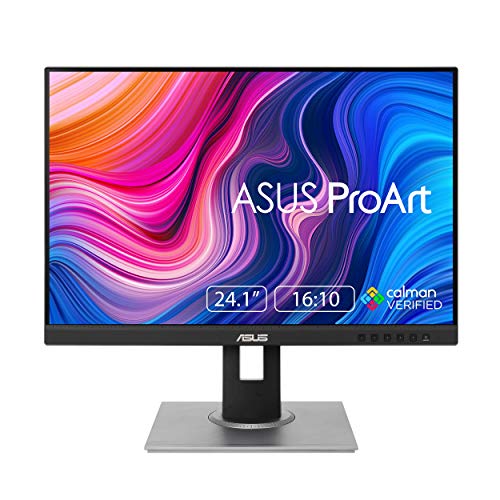
3. ASUS ProArt Display PA248QV 24.1” WUXGA (1920 x 1200) 16:10 Monitor
Rating: 8.8/10
The ASUS ProArt Display PA248QV is a 24.1-inch monitor designed for creators who demand true-to-life colors. Its WUXGA (1920 x 1200) resolution and 16:10 aspect ratio offer more screen space for your projects. This monitor is built to show your pictures with amazing clarity and vibrant colors. It’s ready to use right out of the box, making it easy to get started.
What We Like:
- It shows colors very accurately, with 100% sRGB and Rec.709 coverage.
- The color difference is very small (DeltaE < 2), so colors look true to life.
- It’s Calman Verified, which means its colors are consistent and reliable.
- The IPS panel provides wide viewing angles, so colors look good from almost anywhere.
- You can adjust the screen’s position easily with tilt, pivot, swivel, and height adjustments.
- It comes with a 3-month Adobe Creative Cloud subscription, which is a nice bonus.
What Could Be Improved:
- While it has good color accuracy, some professional users might prefer even higher color gamuts.
- The built-in speakers, if present, are usually basic and not ideal for critical audio work.
This monitor is an excellent choice for anyone serious about color accuracy in their creative work. It offers great value and performance for its price point.
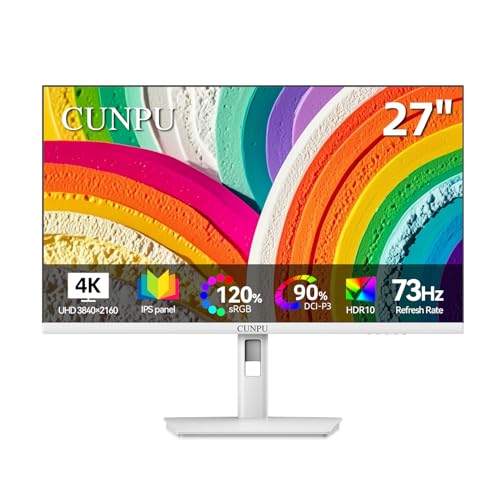
4. CUNPU 27 Inch 4K White Monitor
Rating: 9.2/10
The CUNPU 27 Inch 4K White Monitor is a stunning piece of tech. It brings a lot of power and style to your desk. This monitor is designed for people who love great visuals, whether they’re working on photos, videos, or just want a better way to read. Its sleek white design makes any space look more modern and professional.
What We Like:
- Beautiful 4K picture quality with amazing colors (100% DCI-P3, 1.07 billion colors).
- Super smooth motion with a 73Hz refresh rate, great for games and avoiding blur.
- The E-Book mode is easy on your eyes, like reading from a real book.
- Its ultra-slim bezel and elegant white look really upgrade your desk’s style.
- Lots of options to connect your devices with HDMI and DisplayPort.
What Could Be Improved:
- The 73Hz refresh rate, while good, might not be enough for hardcore competitive gamers who need the absolute highest refresh rates.
- While the E-Book mode is great, some users might prefer more advanced eye-care features.
For anyone looking for a monitor that combines stunning visuals with a stylish design, the CUNPU 27 Inch 4K White Monitor is a fantastic choice. It truly elevates both work and play.
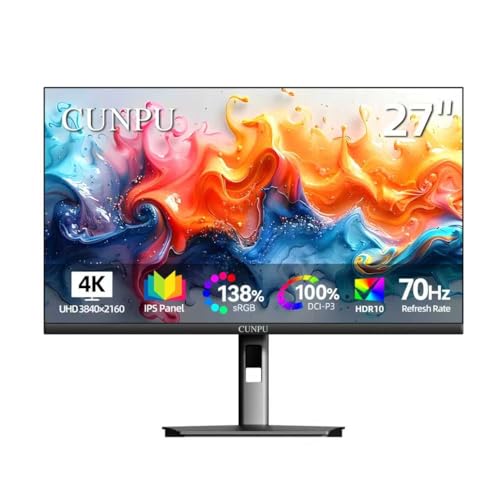
5. CUNPU 27 Inch 4K 70Hz Monitor
Rating: 9.0/10
Dive into a world of stunning visuals with the CUNPU 27 Inch 4K monitor. This display brings your photos and videos to life with incredible detail and vibrant colors. Its sleek, modern design fits perfectly on any desk, making it an ideal choice for both work and play.
What We Like:
- The 4K resolution packs in four times the pixels of a regular HD screen, making everything super sharp and clear.
- You get amazing, true-to-life colors thanks to 100% DCI-P3 coverage and over a billion colors.
- Picture-by-Picture (PBP) and Picture-in-Picture (PiP) let you see multiple things at once, boosting your productivity.
- The ultra-thin bezels and IPS panel mean you see more of your content and colors look great from any angle.
- A 70Hz refresh rate provides smoother motion, which is great for gaming and everyday use.
- It connects easily to all your gaming consoles like PS5 and Xbox, as well as PCs and laptops.
What Could Be Improved:
- While 70Hz is good, some gamers might prefer even higher refresh rates for competitive play.
- The 300 nits brightness is decent, but brighter screens can be better in very sunny rooms.
This CUNPU monitor offers a fantastic visual experience for creators and gamers alike. It’s a solid choice for anyone seeking a high-quality, versatile display.
Choosing the Right Photo Editing Monitor: Your Guide to Stunning Images
Why a Special Monitor Matters for Photos
When you edit photos, you want the colors to look exactly how they should. A regular computer screen might show colors differently than a professional editing monitor. This means your photos might look a little off when you share them or print them. A good photo editing monitor helps you see the true colors and details in your pictures.
Key Features to Look For
1. Color Accuracy: The Most Important Thing
Color accuracy is how well the monitor shows colors. We look at things like:
- sRGB Coverage: Most monitors show this. Aim for 100% sRGB. This means the monitor can show all the colors in the standard web color space.
- Adobe RGB Coverage: This is for printing photos. If you print often, look for a monitor with high Adobe RGB coverage (95% or more).
- DCI-P3 Coverage: This is important for video editing but also good for photos.
- Color Gamut: This is the range of colors a monitor can display. A wider gamut means more colors.
- Delta E: This measures how far off the monitor’s colors are from the real colors. A lower Delta E (under 2) is better.
2. Resolution: How Sharp Your Images Are
Resolution tells you how many pixels are on the screen. More pixels mean a sharper image.
- 2560 x 1440 (QHD): This is a good starting point for editing.
- 3840 x 2160 (4K UHD): This is even better. You see more detail.
3. Panel Type: The Technology Inside
The panel type affects colors and viewing angles.
- IPS (In-Plane Switching): This is the best for photo editing. IPS panels give you great color accuracy and wide viewing angles. This means colors look good even if you’re not looking straight at the screen.
- VA (Vertical Alignment): These have good contrast but can have slower response times.
- TN (Twisted Nematic): These are fast but have poor color accuracy and viewing angles. Avoid these for editing.
4. Brightness and Contrast: How Light and Dark Areas Look
Good brightness helps you see details in bright parts of your photos. Good contrast makes dark parts deep and rich.
- Brightness: Aim for at least 250-300 nits.
- Contrast Ratio: A higher contrast ratio (like 1000:1 or more) is better.
5. Size and Aspect Ratio: How Much Space You Have
A larger screen gives you more space to work. Most editing monitors are 27 inches or bigger. The usual aspect ratio is 16:9, but some professionals use 16:10 for more vertical space.
Important Materials and Build Quality
Monitors are mostly made of plastic. What matters more is the quality of the internal parts, like the panel and the backlight. A sturdy stand is also important. It helps you adjust the screen to the best angle.
Factors That Improve or Reduce Quality
What Makes a Monitor Better:
- Factory Calibration: Some monitors come pre-calibrated. This means they are tested and adjusted for color accuracy before you get them.
- Uniformity: This means the brightness and color are the same all over the screen.
- Matte Finish: This reduces glare from lights.
- Ergonomic Stand: A stand that lets you adjust height, tilt, and swivel is great.
What Makes a Monitor Worse:
- Glossy Screen: These can cause reflections and glare, making it hard to edit.
- Poor Backlight Bleed: This is when light leaks from the edges of the screen, especially on dark backgrounds.
- Limited Color Gamut: If the monitor can’t show a wide range of colors, your edits won’t look right.
User Experience and Use Cases
A good photo editing monitor makes your work easier and more enjoyable. You can see your photos clearly and make precise edits. This is important for:
- Photographers: To ensure their images look perfect for clients or printing.
- Graphic Designers: To create designs with accurate colors.
- Hobbyists: Anyone who wants their photos to look their best.
The monitor should be easy to set up and use. The menu system should be simple. You should be able to adjust settings easily.
Frequently Asked Questions (FAQ)
Q: What is the most important feature for a photo editing monitor?
A: Color accuracy is the most important feature. You need to see true colors.
Q: Do I need a 4K monitor for photo editing?
A: 4K offers more detail, but a good QHD (1440p) monitor with excellent color accuracy is also great for editing.
Q: What does “color gamut” mean?
A: Color gamut is the range of colors a monitor can show. A wider gamut means more colors.
Q: What is the best panel type for photo editing?
A: IPS panels are the best for photo editing because they offer great color accuracy and wide viewing angles.
Q: What does Delta E mean?
A: Delta E measures how accurate colors are. A lower number means better accuracy.
Q: Should I buy a monitor with a matte or glossy screen?
A: A matte screen is better for photo editing because it reduces glare and reflections.
Q: How big should my photo editing monitor be?
A: 27 inches or larger is generally recommended for a comfortable editing experience.
Q: What is factory calibration?
A: Factory calibration means the monitor has been tested and adjusted for color accuracy before you buy it.
Q: Can I edit photos on a regular computer monitor?
A: You can, but a dedicated photo editing monitor will give you much better color accuracy and a more professional result.
Q: How often should I calibrate my monitor?
A: For serious editing, it’s good to calibrate your monitor every few weeks or months, depending on how often you use it.
In conclusion, every product has unique features and benefits. We hope this review helps you decide if it meets your needs. An informed choice ensures the best experience.
If you have any questions or feedback, please share them in the comments. Your input helps everyone. Thank you for reading.