
Did you know that after having a baby, your body needs extra care, even if you’re not breastfeeding? Many new moms think postnatal vitamins are only for those who nurse, but that’s not the whole story. It can feel confusing and frustrating when you’re trying to figure out what your body needs to recover and feel strong again, especially when most information seems to be about breastfeeding mothers.
The truth is, your body went through a lot during pregnancy and birth! It needs support to heal, regain energy, and get back to feeling like yourself. But with so many products out there, and often little clear advice for non-breastfeeding moms, it’s tough to know where to start. You might wonder what nutrients are most important for your recovery and if you’re missing out on something vital.
This post is here to clear up that confusion! We’ll break down why postnatal vitamins are still super important for you, even if breastfeeding isn’t part of your journey. You’ll learn what to look for in a supplement to help your body bounce back and feel its best. Get ready to discover how to make smart choices for your post-baby health.
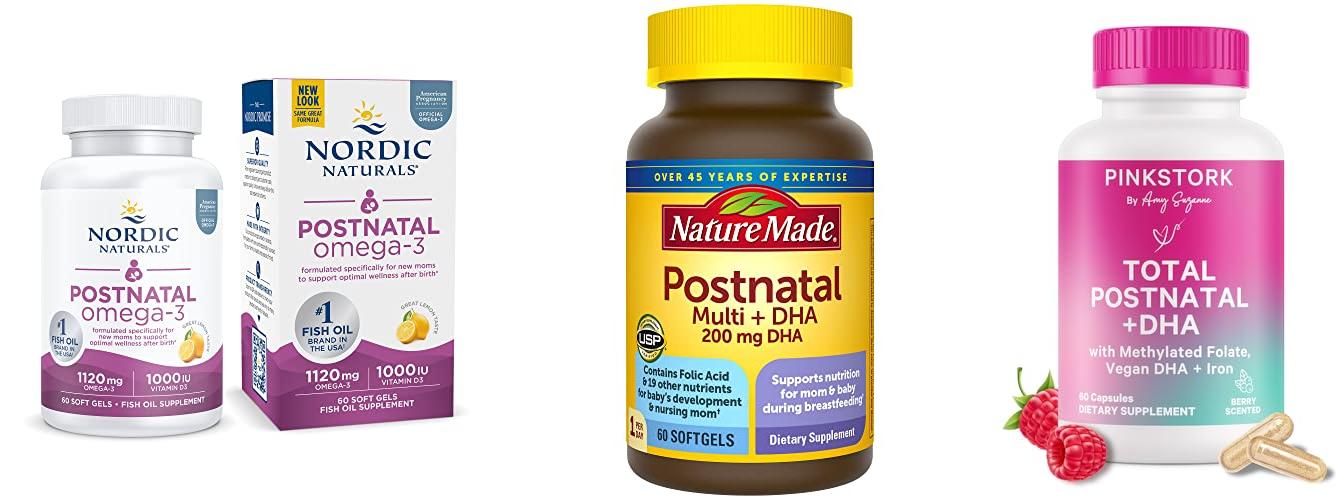
Our Top 5 Postnatal Vitamins Not Breastfeeding Recommendations at a Glance
Top 5 Postnatal Vitamins Not Breastfeeding Detailed Reviews
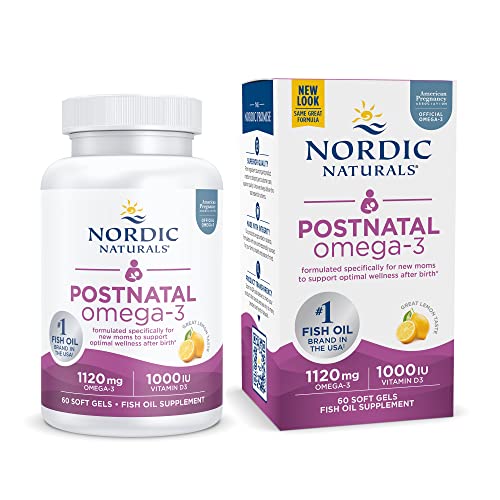
1. Nordic Naturals Postnatal Omega-3
Rating: 9.0/10
Welcome to our review of Nordic Naturals Postnatal Omega-3 in Lemon flavor. This supplement is specifically made for new moms. It packs 1120 mg of total omega-3s and 1000 IU of Vitamin D3 into each serving of two soft gels. It aims to support your overall health, lift your mood, and keep your metabolism working well. With 30 servings per bottle, it’s a convenient addition to your daily routine.
What We Like:
- It’s an award-winning product, recognized by “Taste for Life” and “Better Nutrition.” The American Pregnancy Association also names it their Official Postnatal Omega-3.
- It provides 456 mg of DHA, which is great for your nursing baby’s brain development.
- It offers 586 mg of EPA, which research suggests can help you feel happier and support a healthy metabolism.
- The soft gels are in triglyceride form, meaning your body absorbs them better.
- It has a pleasant lemon taste and doesn’t cause fishy burps.
- The ingredients are non-GMO, gluten-free, and dairy-free. There are no artificial colors or preservatives.
- Nordic Naturals uses fresh, wild-caught fish and is committed to sustainable and ethical practices.
What Could Be Improved:
- Some users might find the price point a bit high compared to other supplements.
- The serving size is two soft gels, which some might prefer to be a single pill.
This supplement offers a comprehensive blend of nutrients for new mothers. It’s a high-quality choice for supporting both you and your baby.
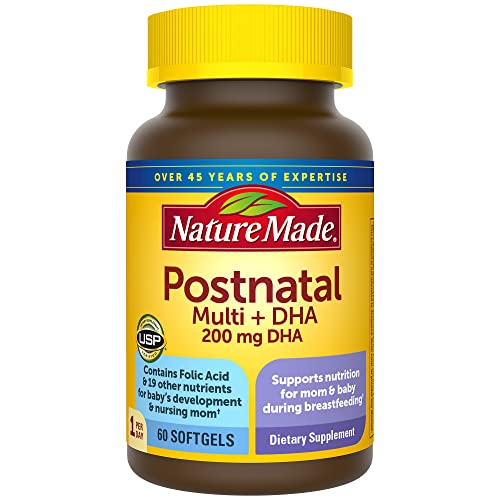
2. Nature Made Postnatal Multivitamin + DHA 200 mg
Rating: 9.3/10
Becoming a new mom is an amazing journey, and nourishing yourself and your little one is a top priority. The Nature Made Postnatal Multivitamin + DHA 200 mg is designed to help you do just that. This daily supplement offers 20 key nutrients that support both breastfeeding moms and their babies. It’s packed with important vitamins and minerals to give you the extra boost you need during this special time.
What We Like:
- Provides 20 essential nutrients for mom and baby.
- Contains higher levels of vitamins A, C, D, and E to meet increased postnatal needs.
- Includes 200 mg of DHA to support baby’s brain and eye development.
- A 60-day supply with just one softgel per day.
- Made in the USA with quality global ingredients, free from artificial flavors and sweeteners, and gluten-free.
- Convenient one-daily softgel makes it easy to remember.
What Could Be Improved:
- Product can melt or get damaged if exposed to heat or sunlight, so delivery requires someone to be home.
This postnatal multivitamin offers a comprehensive way to support your health and your baby’s growth. It’s a simple addition to your daily routine that makes a big difference.
3. Pink Stork Total Postnatal Vitamins for Women with Vegan DHA

Rating: 9.1/10
Navigating the postpartum period is a significant journey, and the Pink Stork Total Postnatal Vitamins are designed to support you through it. This daily supplement offers a comprehensive blend of essential nutrients to aid in recovery and well-being, especially for breastfeeding mothers.
What We Like:
- Recommended by OBGYNs for continued use after childbirth and while breastfeeding.
- Contains 20 vitamins, nutrients, and minerals, including Iron, Folate, B Vitamins, Biotin, and vegan Omega-3 DHA.
- Supports postpartum recovery, mood health, balanced energy, and immune health.
- Benefits can pass to your baby through breast milk, supporting their brain health and development.
- Made with clean ingredients: no GMOs, gluten, soy, or dairy, and is third-party tested.
- Easy-to-swallow, small capsules with a pleasant berry flavor.
- From a women-owned and women-run company committed to supporting mothers.
What Could Be Improved:
- The 1-month supply might require frequent reordering for long-term use.
- While a berry flavor is included, individual taste preferences may vary.
The Pink Stork Total Postnatal Vitamins offer a well-rounded approach to postpartum care. They are a trustworthy option for moms looking to prioritize their health and the well-being of their little ones.
4. Mama’s Select Postnatal Vitamins – Boosts Hair Recovery

Rating: 9.2/10
The Mama’s Select Postnatal Vitamins are designed to help new moms feel their best. These vitamins aim to support hair regrowth after childbirth, increase milk production for breastfeeding, and boost overall wellness. They are made with clean, safe ingredients and are suitable for various dietary needs.
What We Like:
- These vitamins help with postpartum hair loss. They give your hair the nutrients it needs to grow back strong.
- They support breastfeeding moms by helping to boost milk supply. They also replenish nutrients you lost during pregnancy.
- The ingredients are clean and safe. They don’t have caffeine or stimulants. They are also gluten-free and free of major allergens.
- The formula uses methylated folate and B vitamins. This makes them easy for your body to absorb.
- The capsules are small, vegan, and easy to swallow.
- You only need to take one capsule a day.
- They are made in the USA in a facility that follows strict quality rules.
- The company offers a 100% money-back guarantee.
- They are biotin-free, which can help prevent breakouts.
- They are affordable and don’t need to be kept in the fridge.
What Could Be Improved:
- The bottle contains 30 capsules, which is only a 30-day supply. Some moms might want a larger quantity.
Overall, Mama’s Select Postnatal Vitamins offer a comprehensive approach to supporting new mothers. They provide essential nutrients in an easy-to-take format.
5. Pink Stork Total Postnatal Vitamins for Women – Mint Essenced Capsules with Vegan DHA

Rating: 9.1/10
The Pink Stork Total Postnatal Vitamins are designed to help new moms feel their best after giving birth. These mint-flavored capsules are packed with important nutrients like vegan DHA, iron, folate, and Vitamin B12 to support your body’s recovery and well-being during this special time. They are formulated by doctors and are made with clean ingredients.
What We Like:
- Doctor-formulated with 20 essential vitamins and nutrients for postpartum recovery.
- Supports energy levels, mood, and immune health.
- Breastfeeding-friendly, with benefits passing through to your baby.
- Vegan, non-GMO, gluten-free, soy-free, and dairy-free.
- Small, easy-to-swallow capsules.
- Women-owned and women-run company with a mission to support women.
What Could Be Improved:
- The mint flavor might not be for everyone.
- A one-month supply means you’ll need to reorder regularly.
This postnatal vitamin is a thoughtful choice for moms looking for comprehensive support. It’s a great way to ensure you and your baby get the nutrients you need as you navigate motherhood.
Choosing the Best Postnatal Vitamins When You’re Not Breastfeeding
Having a baby is a huge change. Your body works hard during pregnancy and birth. After the baby arrives, you still need to take care of yourself. Postnatal vitamins help replenish your body’s nutrients. This guide helps you find the right ones, even if you’re not breastfeeding.
Why Are Postnatal Vitamins Important When Not Breastfeeding?
Pregnancy uses up many vitamins and minerals. Your body needs time to recover. Even without breastfeeding, your body is healing. It’s rebuilding strength and energy. Postnatal vitamins give your body the extra support it needs. They help you feel more like yourself again.
Key Features to Look For
When you shop for postnatal vitamins, look for specific things. These features make the vitamins work best for you.
Essential Nutrients
- Iron: Helps fight tiredness. Your body loses blood during birth. Iron helps make new red blood cells.
- Folic Acid (Folate): Important for cell repair and growth. It helps your body recover.
- Calcium and Vitamin D: Keep your bones strong. Pregnancy can take a toll on your bones. These help rebuild them.
- Vitamin B Complex (B1, B2, B3, B5, B6, B12): These vitamins help turn food into energy. They help you feel less tired.
- Vitamin C: Boosts your immune system. It helps your body heal wounds.
- Zinc: Supports healing and immune function.
Specific Ingredients for Non-Breastfeeding Moms
Some vitamins have ingredients just for moms not breastfeeding. These might include:
- Omega-3 Fatty Acids (DHA/EPA): Good for brain health. They can help with mood.
- Probiotics: Support gut health. A healthy gut helps you absorb nutrients better.
Form and Dosage
- Pill Size: Look for easy-to-swallow pills. Some brands offer smaller pills or chewables.
- Dosage: Check how many pills you need to take each day. Make sure it’s convenient for your new routine.
- Allergens: Check if the vitamins contain common allergens like gluten, soy, or dairy.
Important Materials and Ingredients
The quality of ingredients matters. Look for vitamins made with:
- Bioavailable Forms: These forms are easier for your body to use. For example, methylfolate is often better than folic acid.
- Whole Food Ingredients: Some vitamins use nutrients from fruits and vegetables. These can be easier for your body to digest.
- No Artificial Additives: Avoid vitamins with artificial colors, flavors, or sweeteners.
Factors That Improve or Reduce Quality
Several things can make a vitamin better or worse.
What Makes Them Better?
- Third-Party Testing: Reputable brands have their vitamins tested by independent labs. This ensures they contain what they say they do and are free of contaminants. Look for seals like USP or NSF.
- Good Manufacturing Practices (GMP): This means the vitamins are made in clean, controlled environments.
- Clear Labeling: The label should clearly list all ingredients and their amounts.
What Makes Them Worse?
- Low-Quality Ingredients: Some vitamins use cheap forms of nutrients that your body doesn’t absorb well.
- Excess Fillers: Too many extra ingredients (fillers) can make the pill larger and harder to digest.
- Lack of Transparency: If a brand doesn’t share testing information or ingredient sources, it’s a red flag.
User Experience and Use Cases
How you feel and how easy the vitamins are to take are important.
Ease of Use
- Taking Them: Can you take them with or without food? This matters with a busy schedule.
- Side Effects: Do they cause stomach upset? Some people find certain vitamins harder on their stomach.
When to Take Them
- Postpartum Recovery: The main use is to help your body recover after pregnancy and childbirth.
- Energy Boost: They can help combat fatigue that many new mothers experience.
- Mood Support: Some nutrients can help support a stable mood.
Frequently Asked Questions (FAQ)
Q: Do I really need postnatal vitamins if I’m not breastfeeding?
A: Yes, your body still needs support to recover after pregnancy and birth. These vitamins help replenish nutrients used during pregnancy.
Q: What are the most important nutrients for a non-breastfeeding mom?
A: Key nutrients include iron, folic acid, calcium, Vitamin D, and B vitamins. They help with energy, healing, and bone health.
Q: Can I just take a regular multivitamin instead?
A: Postnatal vitamins often have higher levels of certain nutrients like iron and folic acid, which are especially important after childbirth.
Q: How long should I take postnatal vitamins?
A: Many moms take them for at least the first year after birth. Listen to your body and talk to your doctor.
Q: What if I have a sensitive stomach?
A: Look for vitamins that are easy to digest. Some brands offer liquid forms or capsules that are gentler.
Q: Are there any vitamins I should avoid?
A: Avoid vitamins with artificial colors, flavors, or excessive fillers. Always check the ingredient list for allergens.
Q: Can postnatal vitamins help with postpartum hair loss?
A: Yes, nutrients like iron and biotin can help support hair health, which might be affected by postpartum changes.
Q: Where can I find information about a brand’s quality?
A: Look for third-party testing seals on the bottle, like USP or NSF. A good brand will also be transparent about its ingredients.
Q: Can I take these vitamins with other medications?
A: It’s always best to ask your doctor before combining any supplements with medications.
Q: What’s the difference between folic acid and folate?
A: Folic acid is the synthetic form, while folate is the natural form found in foods. Some vitamins use methylfolate, which is a form of folate your body can use easily.
In conclusion, every product has unique features and benefits. We hope this review helps you decide if it meets your needs. An informed choice ensures the best experience.
If you have any questions or feedback, please share them in the comments. Your input helps everyone. Thank you for reading.