
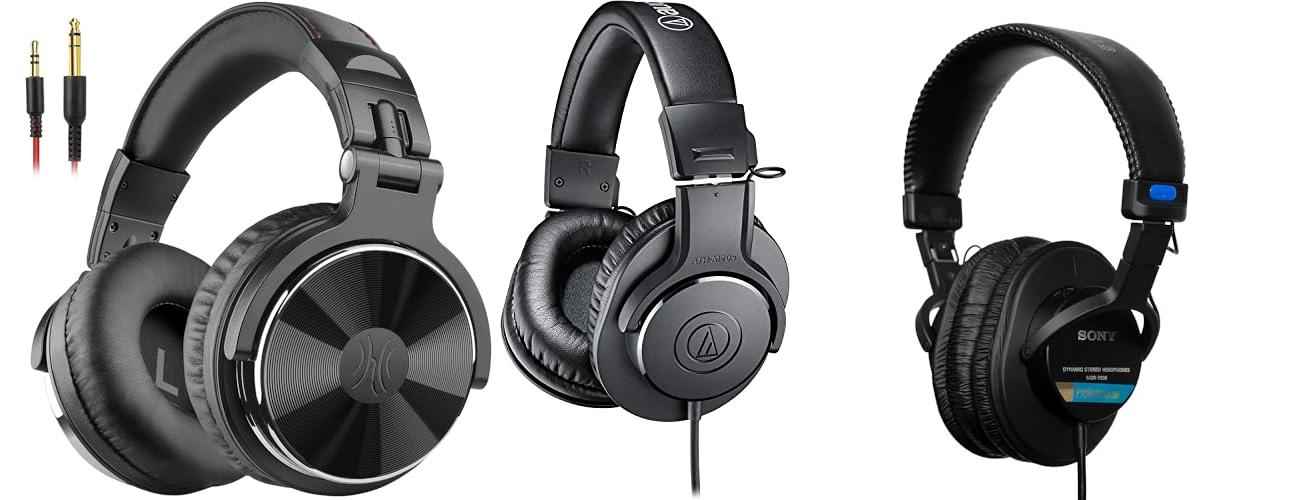
Imagine finally finishing that awesome song or podcast, only to realize it sounds… off. Maybe the vocals are too quiet, or the bass is muddy. This is where a good pair of recording headphones becomes your secret weapon. They aren’t just for listening; they’re for hearing every tiny detail so you can make your audio sound its absolute best.
But stepping into the world of recording headphones can feel like walking into a maze. There are so many brands, types, and technical terms that it’s easy to get lost. You might worry about picking headphones that don’t actually help you hear accurately, or ones that are uncomfortable for long recording sessions. It’s a big decision that can affect how your projects sound.
Don’t worry! This guide is here to clear the fog. We’ll break down what makes a great pair of recording headphones, what to look for, and how to choose the perfect ones for your needs. By the end, you’ll feel confident in finding headphones that will help you capture crystal-clear audio and make your creative work shine.
Our Top 5 Recording Headphones Recommendations at a Glance
Top 5 Recording Headphones Detailed Reviews
1. OneOdio Wired Over Ear Headphones Hi-Res Studio Monitor & Mixing DJ Stereo Headsets with 50mm Drivers and 1/4 to 3.5mm Jack for AMP Computer Recording Podcast Keyboard Guitar Laptop – Black

Rating: 8.8/10
The OneOdio Wired Over Ear Headphones Hi-Res Studio Monitor & Mixing DJ Stereo Headsets are a fantastic choice for anyone who needs clear sound and comfort. These headphones are built with large 50mm drivers that deliver powerful bass and crisp highs, making your music sound amazing. Whether you’re listening to your favorite songs, recording in a studio, or mixing tracks, these headphones will give you a balanced stereo sound.
What We Like:
- Powerful Bass and Clear Sound: The 50mm drivers and neodymium magnets create a rich listening experience with strong bass, clear vocals, and sharp highs.
- Super Comfortable: Soft, padded earcups and an adjustable headband ensure comfort for long listening sessions without causing fatigue.
- Versatile Monitoring: Swiveling earcups allow for single-ear monitoring, perfect for DJs and producers who need to hear one side clearly.
- Wide Compatibility: They connect to almost anything with a 3.5mm or 6.35mm jack, including phones, computers, mixers, and keyboards.
- Easy Audio Sharing: The shared audio port lets you connect another pair of headphones to listen together without extra cables.
What Could Be Improved:
- Wired Only: These headphones only work with a cable, which might be less convenient for some users.
- No Built-in Mic: They lack a microphone for calls or voice chat, meaning you’ll need a separate mic for those tasks.
These OneOdio headphones offer excellent sound quality and comfort for a great price. They are a solid option for music lovers and creators alike.
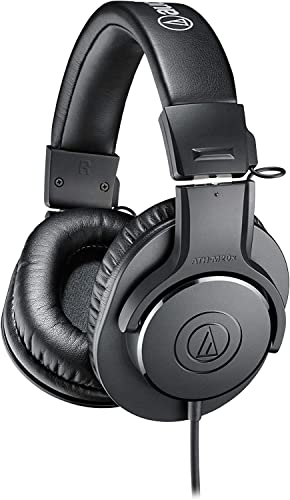
2. Audio-Technica ATH-M20x Professional Studio Monitor Headphones
Rating: 8.6/10
The Audio-Technica ATH-M20x headphones are a solid choice for anyone needing clear sound for recording or mixing music. Their design focuses on letting you hear every detail, making them a helpful tool for creating great audio.
What We Like:
- These headphones have advanced build quality. They are made to last.
- They are designed for studio work, like tracking and mixing.
- The 40mm drivers with special magnets and wire deliver good sound.
- The sound is tuned to give you strong bass performance.
- The earcups go around your ears. This helps block out loud noises so you can focus.
- The cable comes out of just one side. This is neat and less likely to get tangled.
What Could Be Improved:
- While good for studio use, they might not be the most comfortable for very long listening sessions for some users.
- The sound profile, while good for mixing, might not be as exciting for casual music listening as some other headphones.
These headphones offer great value for their price point, especially for budding producers and musicians. They provide the essential features needed for serious audio work.
3. Sony MDR7506 Professional Large Diaphragm Headphone

Rating: 9.5/10
The Sony MDR7506 Professional Large Diaphragm Headphone is a top choice for anyone serious about sound. These headphones deliver amazing audio quality. They are built tough for long-lasting use. You can use them for professional work or just for enjoying your favorite music at home. Their comfy design helps block out distracting sounds.
What We Like:
- These headphones pack a punch with neodymium magnets and 40-millimeter drivers. You get powerful and clear sound.
- The closed ear design is super comfortable. It also does a fantastic job of blocking out outside noise.
- The long 9.8-foot cord gives you plenty of room to move. The gold-plated plug ensures a solid connection.
- They fold up nicely for easy storage or travel. The soft case keeps them protected.
- The rugged construction means these headphones can handle a lot of use.
What Could Be Improved:
- The cord is not detachable, which can be a bit inconvenient if it gets damaged.
- The frequency response, while good, might not satisfy extreme audiophiles looking for ultra-low bass or super-high treble.
Overall, the Sony MDR7506 headphones offer a compelling package of sound quality and durability. They are a smart investment for both professionals and everyday listeners.
4. Rumoon Wired Over Ear Headphones

Rating: 9.3/10
The Rumoon Wired Over Ear Headphones are designed for serious sound lovers. They offer studio-quality audio for DJs, musicians, and anyone who loves clear, rich sound. You can use them for mixing music, listening to podcasts, or even practicing your keyboard.
What We Like:
- Amazing Sound: The big 50mm drivers give you powerful bass, clear middle sounds, and sharp high notes. You get awesome stereo sound that makes music feel alive. The wide frequency range means you hear every detail, from the lowest rumble to the highest squeak. This helps you hear yourself better when recording your voice too.
- Super Comfy: These headphones are light and feel good on your ears. The ear cups swivel, so you can listen with just one ear. The soft padding and protein leather make them comfy for hours. They fold up small, making them easy to take anywhere.
- Share Your Music: A cool feature lets you share what you’re listening to. Plug one pair of headphones into your device, and then plug another pair into the main headphones. Now you and a friend can enjoy the same song or video.
- No Extra Parts Needed: The long, coiled cord reaches easily from your device to where you’re sitting. They come with both a 3.5mm and a 6.35mm plug, so you don’t need an adapter. They work with most phones, computers, and other devices.
What Could Be Improved:
- Cord Length: While the coiled cord is long, some users might prefer a straight cord for certain setups.
- Noise Isolation: While good, the sound isolation might not be perfect for extremely noisy environments.
These Rumoon headphones are a fantastic choice for anyone who wants great sound and comfort without breaking the bank. They are versatile and offer a listening experience that truly enhances your audio enjoyment.
5. TASCAM TH-02 Professional Studio Monitor Headphones

Rating: 8.7/10
Tired of headphones that can’t keep up with your creative flow? The TASCAM TH-02 Professional Studio Monitor Headphones are here to help. These wired, over-ear headphones are built for anyone who needs clear sound for recording, podcasting, DJing, or just enjoying music. They offer a comfortable fit and fold up easily for on-the-go use, making them a great companion for your audio adventures.
What We Like:
- Foldable Design: These headphones fold up neatly. This makes them super easy to pack and carry anywhere.
- Comfortable Fit: The headband and ear pads are padded and stitched tightly. This means you can wear them for a long time without discomfort.
- Clean Sound Quality: The closed-back dynamic design delivers clear sound. You’ll hear rich bass and crisp highs. This is great for mixing and listening.
- Versatile Adapter: A snap-on adapter lets you switch easily between 1/8” and 1/4” jacks. This means they work with almost any audio device.
What Could Be Improved:
- Cable Length: While wired, the cable length might be a bit short for some studio setups.
- Bass Level: Some users might find the bass response a little too prominent for certain types of critical listening.
For their price and features, the TASCAM TH-02 headphones are a solid choice. They offer good sound and comfort for a variety of audio tasks.
Choosing the Right Recording Headphones: Your Guide to Crystal Clear Sound
Picking the perfect headphones for recording can feel like a big task. You want to hear every little detail when you’re making music or audio. This guide will help you understand what makes good recording headphones. We’ll cover the important parts, what makes them good or bad, and how they feel to use.
Key Features to Look For
1. Sound Accuracy (Flat Response)
This is super important. Good recording headphones show you the sound exactly as it is. They don’t make the bass louder or the treble sharper. This is called a “flat response.” It helps you make smart choices when mixing your audio. You hear what the audience will hear.
2. Comfort and Fit
You might wear headphones for a long time. They need to feel good on your ears. Look for soft earcups. They should fit snugly but not too tight. A good fit also helps block out outside noise.
3. Durability and Build Quality
Recording headphones often get moved around. They should be built tough. Stronger materials mean they last longer. Check the headband and the wires. They shouldn’t feel flimsy.
4. Isolation (Closed-Back vs. Open-Back)
This is about how much sound gets in and out.
- Closed-back headphones: These seal your ears. They stop sound from leaking out, which is great when recording vocals. This prevents the headphone sound from going into the microphone. They also block more outside noise.
- Open-back headphones: These let sound escape. They often sound more natural and airy. They are better for mixing and listening when you don’t need to worry about sound leaking.
Important Materials
The parts of your headphones matter.
- Earcups: Plush leather or velour feels nice and helps with comfort.
- Drivers: These are the small speakers inside. Bigger drivers can sometimes mean better sound.
- Headband: Metal or strong plastic makes the headphones last longer.
Factors That Improve or Reduce Quality
What Makes Headphones Better:
- Frequency Response Range: A wider range means you hear more of the sound.
- Impedance: This relates to how much power the headphones need. Higher impedance headphones often sound better with good audio gear.
- Sensitivity: This tells you how loud the headphones get with a certain amount of power.
What Can Make Headphones Worse:
- Sound Leakage: If sound leaks out, it can mess up your recordings.
- Uncomfortable Fit: If they hurt your ears, you won’t want to use them.
- Poor Build Quality: Cheap materials break easily.
User Experience and Use Cases
Recording headphones are for more than just music.
- Musicians: They use them to hear themselves clearly while playing or singing.
- Podcasters: They need to hear every word spoken.
- Audio Engineers: They mix and master sounds. They need to hear every tiny detail.
- Video Editors: They use them to check sound for films and videos.
When you use them, you want them to be easy to plug in. The cable should be long enough to move around. They should feel light on your head.
Frequently Asked Questions (FAQ)
Q: What is the most important feature in recording headphones?
A: Sound accuracy, or a flat response, is the most important. It shows you the true sound.
Q: Should I get closed-back or open-back headphones for recording?
A: For recording vocals or instruments where sound leakage is a problem, closed-back headphones are best. For mixing and general listening, open-back can be good.
Q: How do I know if headphones are comfortable?
A: Try them on if you can. Look for soft earcups and a headband that doesn’t squeeze too hard.
Q: What does “flat response” mean for headphones?
A: It means the headphones don’t boost or cut certain sounds. They play audio as it is.
Q: Are expensive headphones always better for recording?
A: Not always. Good quality can be found at different prices. Focus on the features that matter for recording.
Q: How long should the headphone cable be?
A: A longer cable (around 6-10 feet) gives you more freedom to move while recording.
Q: Can I use gaming headphones for recording?
A: Gaming headphones often boost bass and treble for a more exciting sound. This is usually not ideal for accurate recording.
Q: What is impedance and why does it matter?
A: Impedance is how much resistance the headphones have to electrical current. Higher impedance headphones often need a stronger audio source to sound their best.
Q: How do I clean my recording headphones?
A: Gently wipe the earcups with a damp cloth. Avoid getting moisture inside the drivers.
Q: Where should I buy recording headphones?
A: Look at reputable audio equipment stores, both online and in person. Read reviews from other users.
In conclusion, every product has unique features and benefits. We hope this review helps you decide if it meets your needs. An informed choice ensures the best experience.
If you have any questions or feedback, please share them in the comments. Your input helps everyone. Thank you for reading.