
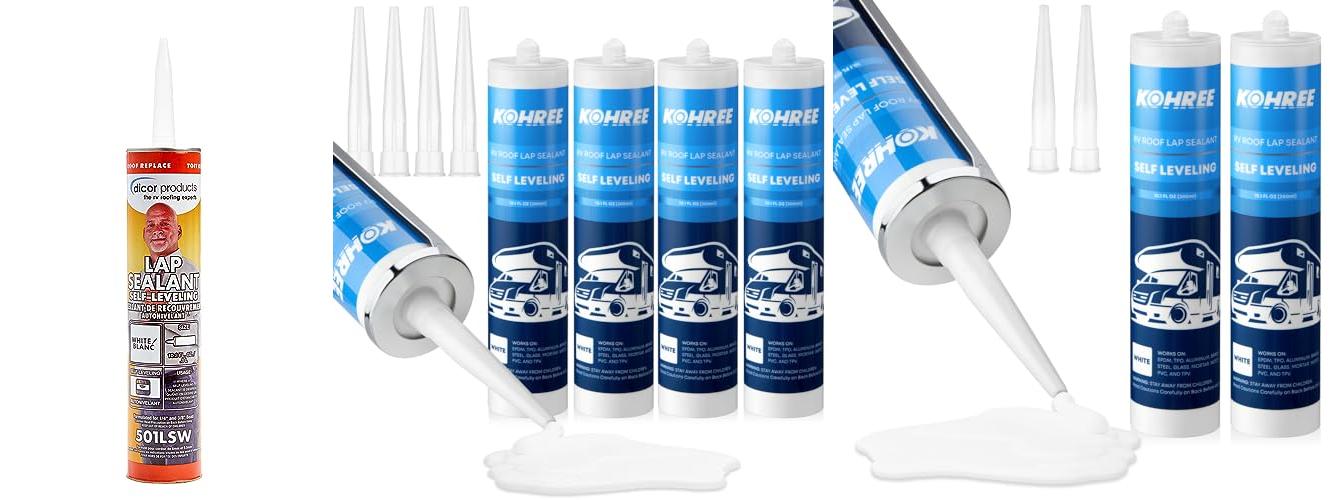
Imagine this: You’re on a cross-country adventure, the open road stretching before you, and then… a tiny drip appears on your ceiling. Suddenly, your dream RV trip turns into a race against water damage. The roof of your RV is its shield, and when that shield weakens, it can lead to big problems and expensive repairs.
Choosing the right RV roof sealant can feel like navigating a maze. There are so many different kinds! Some are sticky, some are paint-like, and they all promise to keep the rain out. But how do you know which one will actually do the job, and for how long? It’s a common worry for RV owners, and the wrong choice can mean more leaks down the road.
In this post, we’re going to break down the world of RV roof sealants. We’ll help you understand what makes a good sealant, what to look for, and how to pick the best one for your RV. By the end, you’ll feel confident in your choice and ready to protect your home on wheels from the elements. Let’s dive in and make sure your RV stays dry and happy!
Our Top 5 Rv Roof Sealant Recommendations at a Glance
Top 5 Rv Roof Sealant Detailed Reviews
1. Dicor 501LSW-1 HAPS-Free Self-Leveling Lap Sealant for horizontal surfaces – 10.3 Oz

Rating: 9.3/10
Keeping your RV’s roof in top shape is important. The Dicor 501LSW-1 HAPS-Free Self-Leveling Lap Sealant is designed to do just that. It’s a white sealant that works great on flat surfaces. This sealant helps protect your RV from leaks and damage. It’s ideal for RV roofs and other repairs.
What We Like:
- This sealant is made to last. It’s sun-ray stabilized, so it won’t get ruined or change color over time.
- It won’t stain or discolor your RV’s roof material.
- The white color looks nice and stylish on your RV.
- It’s super easy to use because it levels itself. This means it spreads out smoothly on horizontal surfaces.
- It sticks really well to many different materials like EPDM, TPO, and PVC membranes. It also works on aluminum, wood, metal, fiberglass, and concrete.
- This sealant is HAPS-free, which is better for the environment and your health.
What Could Be Improved:
- The 10.3 oz. tube size might require multiple tubes for larger jobs.
- While it adheres firmly, it’s important to follow application instructions carefully for the best results.
The Dicor 501LSW-1 sealant offers reliable protection and a clean look for your RV. It’s a solid choice for keeping your recreational vehicle well-maintained.
2. Kohree RV Roof Sealant 4 Pack

Rating: 9.0/10
Keeping your RV roof in top shape is super important. Leaks can cause a lot of damage, and that’s where the Kohree RV Roof Sealant comes in handy. This 4-pack of white, self-leveling lap sealant is designed to make repairs easy and effective.
What We Like:
- Self-Leveling Magic: This sealant is awesome because it levels itself out. Within 30 seconds, it turns from a line into a smooth, flat surface. This means it covers gaps really well and seals them up tight.
- Safe for Everyone: You don’t have to worry about yucky smells or harmful chemicals. This sealant is safe to use around people and pets, both inside and outside your RV.
- Bonds to Almost Anything: It sticks to lots of different materials. Whether you have an EPDM, TPO, PVC, aluminum, glass, or even wood roof, this sealant will work. It’s great for fixing your RV roof or patching up other cracks.
- Waterproof Power: Once it’s on, it forms a strong, waterproof seal. No more leaks dripping into your RV! It creates a solid barrier against water.
- Works in Any Weather: This sealant is tough. It can handle temperatures from super cold (-40°F) to really hot (200°F) without cracking. It lasts a long time, so you won’t have to do repairs too often.
What Could Be Improved:
- Use it Up Quickly: The instructions suggest using the sealant right after you open it to make sure it works its best.
- Production Date Only: The date on the bottle is the production date, not an expiration date, so you’ll need to keep that in mind.
Overall, the Kohree RV Roof Sealant is a reliable and user-friendly option for keeping your RV dry and protected. It’s a great tool for any RV owner’s repair kit.
3. Kohree RV Roof Sealant 2 Pack

Rating: 9.5/10
Keeping your RV roof in top shape is crucial, and the Kohree RV Roof Sealant 2 Pack is designed to make that job easier. This self-leveling lap sealant comes in white and is perfect for all your RV roofing maintenance and repair needs.
What We Like:
- The self-leveling feature is fantastic. It smooths out within 30 seconds, creating a flat seal that covers gaps really well.
- It’s safe to use. The formula is harmless and has a low odor, so you can use it inside or outside without worry, even around pets.
- This sealant sticks to almost anything! It bonds with EPDM, TPO, PVC, aluminum, glass, wood, and more, so it works on many parts of your camper or trailer.
- It creates a strong, waterproof seal. You won’t have to worry about leaks from your RV roof or even your house.
- This sealant works in all kinds of weather. It stays flexible from -40°F to 200°F and won’t crack, meaning it lasts a long time.
What Could Be Improved:
- The date on the bottle is the production date, not the expiration date, which can be a little confusing.
This Kohree RV Roof Sealant is a reliable choice for protecting your RV from the elements. Its easy application and durable, waterproof seal make it a smart investment for any RV owner.
4. Liquid Rubber RV Roof Sealant- Professional-Grade Solar Reflective Flexible Waterproof Membrane Coating for EPDM

Rating: 9.2/10
Keep your RV roof in top shape with Liquid Rubber RV Roof Sealant! This brilliant white, 1-gallon coating is a professional-grade solution designed to protect your camper or travel trailer from leaks and heat. It works on various roof types like EPDM, TPO, fiberglass, and aluminum, making it a versatile choice for many RV owners.
What We Like:
- Creates a flexible, waterproof seal that stops leaks and protects against water damage in any weather.
- Reflects sunlight to keep your RV cooler inside, saving on energy costs and extending your roof’s life.
- Works on many roof materials, including EPDM, TPO, fiberglass, and aluminum, plus skylights and vents.
- It’s easy to use for a weekend DIY project with a simple 3-step system and no special tools needed.
- The water-based formula is safe, with no harmful solvents, and is good for the environment.
- Offers 10 years of protection when applied correctly, giving you peace of mind.
What Could Be Improved:
- Requires a specific temperature range (50°F-90°F) for application, which might limit when you can do the project.
- For best results, it’s recommended to use it with Liquid Rubber EPDM Primer, Liquid Rubber RV Smart Cleaner, Liquid Rubber Lap Sealant, and Liquid Rubber Seam Tape, adding to the overall cost and steps.
- Coverage is 50 sq ft per gallon, so larger RVs will need multiple gallons, and you need to use all the material for full protection.
This sealant offers a durable, leak-proof solution for your RV roof. It’s a smart investment for protecting your camper and keeping your interior dry and comfortable.
5. Dicor 501LSW-1 Self-Leveling Lap Sealant

Rating: 9.2/10
Keeping your RV roof in top shape is super important. The Dicor 501LSW-1 Self-Leveling Lap Sealant is a great helper for this job. This 4-pack of sealant makes sure your RV roof is protected from leaks. It works on many parts of your roof, like edges, vents, and even screw heads. This sealant is easy to use and creates a strong barrier against water.
What We Like:
- It creates a strong, extra seal to stop leaks.
- It sticks well to lots of different surfaces like metal, wood, and even concrete.
- It works with common RV roof materials like EPDM and TPO.
- The white color blends in nicely with most RV roofs.
- You get four tubes, so you have plenty for your project.
What Could Be Improved:
- The sealant expires 2 years after it’s made, so check the date before buying.
This sealant is a reliable choice for anyone looking to prevent roof leaks. It offers peace of mind and protects your investment.
Your Guide to a Leak-Free RV Roof
Your RV roof is a shield against the elements. Keeping it sealed is super important. This guide helps you pick the best RV roof sealant. A good sealant stops leaks. It protects your RV from water damage.
Key Features to Look For
When you shop, check for these things:
Durability
You want sealant that lasts a long time. It should stand up to sun, rain, and snow. Look for products that promise years of protection.
Adhesion
The sealant needs to stick well. It must bond tightly to your RV roof material. Good adhesion prevents peeling and lifting.
Flexibility
RV roofs move. They expand and contract with temperature changes. Flexible sealant can stretch and bend without cracking. This is vital for preventing new leaks.
UV Resistance
Sunlight can break down some materials. UV-resistant sealant won’t get brittle or chalky from sun exposure. It keeps its protective power.
Ease of Application
Some sealants are easy to spread. Others are messy and hard to work with. A simple application saves you time and frustration.
Important Materials
RV roof sealants use different stuff. Knowing the materials helps you choose.
Silicone-Based Sealants
Silicone is strong and flexible. It works well in many weather conditions. It’s a popular choice for its durability.
Urethane-Based Sealants
Urethane sealants are very tough. They stick well to many surfaces. They are great for areas that get a lot of wear and tear.
Asphalt-Based Sealants
These are often called “mastic” or “roof cement.” They are good for patching small holes. They can be a bit sticky and harder to clean up.
EPDM and TPO Specific Sealants
Some RV roofs are made of EPDM or TPO rubber. You might need a sealant made just for these materials. They stick best and last longer.
Factors That Improve or Reduce Quality
What makes a sealant great? What makes it not so great?
Improving Quality
- Brand Reputation: Trusted brands often make better products.
- Customer Reviews: Real users share their experiences. Good reviews mean a good product.
- Warranty: A longer warranty suggests the maker believes in their sealant.
- Proper Surface Preparation: Cleaning the roof before sealing is super important. A clean surface helps the sealant stick.
Reducing Quality
- Poor Application: Applying sealant too thin or too thick can cause problems.
- Wrong Type of Sealant: Using a sealant not meant for your roof type can lead to failure.
- Extreme Temperatures During Application: Applying sealant when it’s too hot or too cold can affect how it cures.
- Ignoring Old, Cracked Sealant: You must remove old sealant before applying new.
User Experience and Use Cases
Who uses RV roof sealant? And why?
DIY RV Owners
Many RV owners seal their own roofs. They want to save money and learn new skills. Easy-to-use sealants are perfect for them.
RV Repair Shops
Professionals use sealants for repairs and maintenance. They need products that are reliable and last long.
Common Uses
- Sealing Roof Vents: Vents are common leak spots.
- Repairing Cracks and Seams: These are weak points on the roof.
- Protecting Skylights and AC Units: These fixtures also need good seals.
- Preventative Maintenance: Regular sealing keeps your roof in good shape.
RV Roof Sealant FAQs
Q: What is the best RV roof sealant?
A: The “best” sealant depends on your RV roof material and your needs. Silicone and urethane sealants are often top choices for durability.
Q: How often should I seal my RV roof?
A: It’s a good idea to inspect your RV roof at least twice a year. You should reseal any cracks or worn areas. A full reseal might be needed every 2-5 years, depending on the sealant and climate.
Q: Can I use regular caulk on my RV roof?
A: No. Regular caulk is not designed for the harsh conditions an RV roof faces. It will likely fail quickly.
Q: What is the difference between RV roof sealant and RV roof tape?
A: Sealant is a liquid or paste you apply. Roof tape is a sticky, flexible material you lay down. Both aim to stop leaks.
Q: How do I prepare my RV roof for sealing?
A: Clean the roof thoroughly. Remove all dirt, debris, and old sealant. Make sure the surface is dry before applying the new sealant.
Q: Can I seal my RV roof in cold weather?
A: Most sealants have a temperature range for application. Applying in very cold weather can prevent them from curing properly. Check the product instructions.
Q: How long does RV roof sealant take to dry?
A: Drying times vary. Some sealants are dry to the touch in a few hours. Full curing can take 24-72 hours or longer. Always check the product label.
Q: What is EPDM and TPO?
A: EPDM and TPO are types of rubber used for RV roofs. They are durable but require specific sealants for best results.
Q: Will sealant stop a major leak?
A: Sealant is best for small cracks, seams, and around fixtures. For large holes or structural damage, you may need more extensive repairs.
Q: Where can I buy RV roof sealant?
A: You can find RV roof sealant at RV supply stores, big box home improvement stores, and online retailers.
In conclusion, every product has unique features and benefits. We hope this review helps you decide if it meets your needs. An informed choice ensures the best experience.
If you have any questions or feedback, please share them in the comments. Your input helps everyone. Thank you for reading.