
Imagine the soulful wail of a saxophone. It’s a sound that can make you tap your feet or stir your heart. But if you’re dreaming of making those sounds yourself, the first big step is choosing the right saxophone. And that’s where things can get a little tricky.
Walking into a music store or browsing online, you’ll see so many names: Yamaha, Selmer, Yanagisawa, Conn. It can feel overwhelming! Each brand has its own special qualities, and figuring out which one is best for you can feel like a puzzle. You want a saxophone that feels good in your hands, sounds amazing, and doesn’t break the bank. It’s a big decision!
Don’t worry, though! This post is here to help clear the air. We’ll explore some of the most popular saxophone brands out there. By the end, you’ll have a much better idea of what makes each one unique and how to pick the perfect sax to start your musical journey. Let’s dive in and find the saxophone that sings to you!
Our Top 5 Saxophone Brands Recommendations at a Glance
Top 5 Saxophone Brands Detailed Reviews
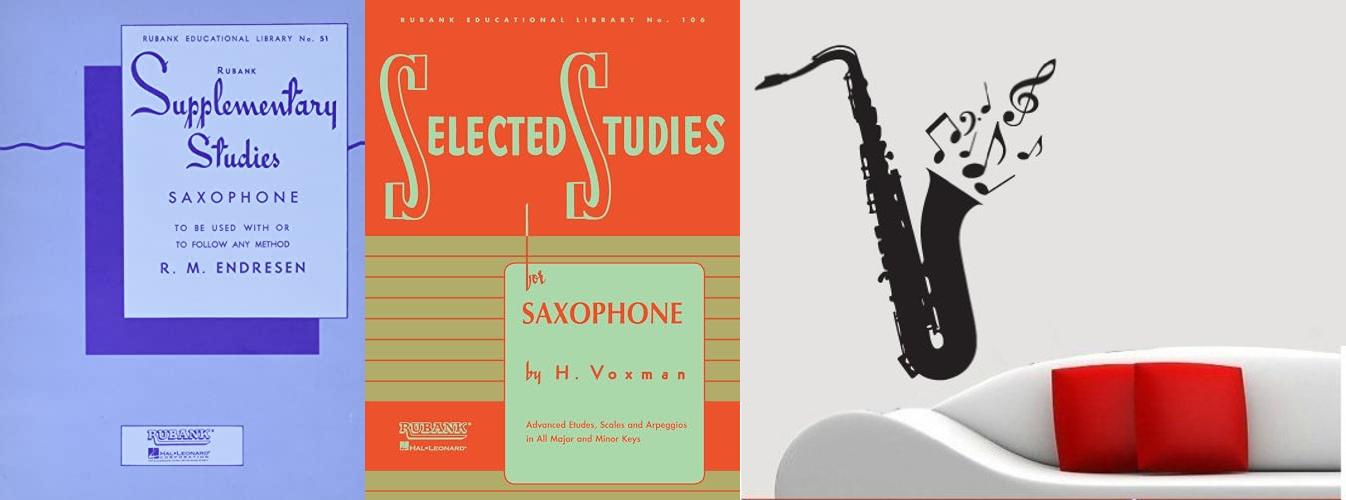
1. Supplementary Studies: Saxophone

Rating: 9.5/10
Supplementary Studies: Saxophone is a valuable resource for any alto saxophone player looking to improve their skills. This book offers a focused approach to practice, helping you build a stronger foundation. Its 24 pages are packed with exercises designed specifically for the saxophone.
What We Like:
- The exercises are well-organized and easy to follow.
- It specifically targets the alto saxophone, making the content highly relevant.
- The compact size means you can easily take it to lessons or rehearsals.
- It helps develop essential techniques for saxophone players.
What Could Be Improved:
- Some of the exercises might feel a little basic for more advanced players.
- More detailed explanations or musical examples could be beneficial for beginners.
- It is only 24 pages, so some might wish for more content.
This book is a solid tool for dedicated alto saxophone students. It provides focused practice that can lead to noticeable improvements in your playing.
2. Selected Studies – Saxophone Sheet Music

Rating: 9.2/10
The Selected Studies – Saxophone Sheet Music | Advanced Etudes and Exercises | Rubank Educational Library Vol. 106 | Woodwind Method Book is a valuable resource for any saxophone player looking to elevate their skills. This book, part of the respected Rubank Educational Library, focuses on advanced etudes and exercises designed to challenge and improve technique. It’s a comprehensive guide for intermediate to advanced players ready to tackle more complex musical passages.
What We Like:
- It offers a wide range of challenging etudes that effectively build advanced saxophone technique.
- The exercises are well-structured and progress logically, making them easy to follow.
- This book is an excellent tool for developing musicality and expression.
- The Rubank Educational Library is known for its quality, and this volume upholds that reputation.
- It provides 80 pages packed with valuable practice material.
What Could Be Improved:
- Some exercises might be quite demanding for players just entering the advanced stage.
- A supplementary audio component with demonstrations of some etudes could be beneficial.
This book is an essential addition to the practice routine of any serious saxophone student. It provides the rigorous training needed to master the instrument.
3. Wall Decal Sticker Removable Saxophone Music Notes Vinyl Art 23″ Tall 20″ Wide in Black FGD Brand

Rating: 8.8/10
Add a touch of musical flair to any room with the FGD Brand Saxophone Music Notes Wall Decal. This stylish vinyl art piece captures the soul of jazz and brings it right to your walls. It’s a fantastic way to express your love for music without any permanent changes.
What We Like:
- This decal is MADE IN THE U.S.A., so you’re supporting local manufacturing.
- It comes ready to install with transfer tape already applied.
- The vinyl is high-quality and removable, meaning you can change your mind later without damaging your walls.
- Clear, illustrated instructions are included to make applying the decal super easy.
- The black color is classic and goes with almost any decor.
- It’s a generous 20 inches wide and 23 inches tall, making a noticeable statement.
What Could Be Improved:
- Currently, only a black color option is listed, which might limit choices for some.
- While removable, some very delicate paint finishes might still be affected upon removal.
This FGD Brand saxophone decal is a simple yet impactful way to personalize your space. It’s a great pick for music lovers looking for an easy and stylish upgrade.
4. Rubank Intermediate Method Saxophone (Rubank Educational Library

Rating: 8.7/10
The Rubank Intermediate Method Saxophone (Rubank Educational Library, 68) is a fantastic book for saxophone players ready to move beyond the basics. This 48-page book, measuring 12″ x 9″, offers a structured approach to intermediate saxophone technique. Edited by Joseph E. Skornicka, it provides a wealth of exercises and musical pieces designed to build skills and musicality. It’s a staple for students and teachers alike, offering a clear path for development.
What We Like:
- Comprehensive exercises that build solid technique.
- A wide variety of musical styles to keep practice interesting.
- Clear, easy-to-follow layout makes learning straightforward.
- It’s a time-tested method that has helped many saxophonists improve.
What Could Be Improved:
- Some of the musical pieces might feel a bit dated to some players.
- An accompanying CD or online audio would be helpful for listening to examples.
This book is an excellent resource for any saxophonist looking to advance their playing. It provides the tools needed to master more complex music and refine your sound.
5. Brand New Tenor Saxophone Reed Trimmer/Cutter

Rating: 9.4/10
This Brand New Tenor Saxophone Reed Trimmer/Cutter is a handy tool for any saxophonist. It helps you keep your reeds in great shape. You can easily trim your tenor saxophone reeds with this device. It’s designed to give you more control over your reed’s length. This can really make a difference in your sound.
What We Like:
- It is very simple to use.
- It is built to last.
- It makes your reeds play better.
- It is a good value for the money.
- It is easy to carry around.
What Could Be Improved:
- The instructions could be a little clearer.
- More color options would be nice.
- It might be a bit small for some hands.
This reed trimmer is a solid investment for any tenor sax player. It’s a tool that can help you sound your best. You will notice a positive change in your playing.
Choosing Your Perfect Saxophone: A Beginner’s Guide
So, you’re looking to buy a saxophone! That’s awesome. Saxophones make amazing music. Whether you want to play jazz, classical, or rock, a saxophone is a fantastic choice. But with so many options, how do you pick the right one? Don’t worry, this guide will help you find your perfect sax.
Key Features to Look For
When you’re shopping for a saxophone, a few things really matter.
1. Keys and Fingering
Saxophones have keys that you press to change notes. Most beginner saxophones have a standard fingering system. This makes it easier to learn. Some advanced saxophones might have extra keys. These let you play more notes. For your first sax, stick with a standard layout.
2. Tone Holes
These are the little holes on the saxophone. They help make different sounds. Some saxophones have “rolled tone holes.” This means the edges of the holes are smooth and curved. This helps the pads seal better. Better seals mean a clearer sound.
3. Intonation
This is how in tune the saxophone plays. A good saxophone plays notes that sound right together. Cheaper saxophones might not play in tune very well. This can make practicing frustrating.
4. Ergonomics and Comfort
How the saxophone feels in your hands is important. The keys should be easy to reach. The instrument should feel balanced. If it’s uncomfortable, you won’t want to play it as much.
Important Materials
The materials a saxophone is made from affect its sound and how long it lasts.
1. Brass
Most saxophones are made of brass. Brass is strong and makes a bright sound. The type and thickness of the brass can change the tone.
2. Keys and Pads
The keys are usually made of brass too. They are often plated with nickel or silver. This makes them look nice and prevents them from tarnishing. The pads are soft. They seal the tone holes. Good quality pads are made of felt and leather. They last longer and seal better.
Factors That Improve or Reduce Quality
Some things make a saxophone sound great, while others can make it sound not so great.
1. Craftsmanship
How well the saxophone is built matters a lot. Good craftsmanship means precise key work and smooth soldering. This leads to a better playing experience and a better sound.
2. Brand Reputation
Well-known saxophone brands often have a reputation for quality. They have been making instruments for a long time. They know how to make good saxophones.
3. Price vs. Quality
Generally, more expensive saxophones are made with better materials and have better craftsmanship. However, you don’t always need the most expensive sax to get a good sound. There are great beginner and intermediate saxophones at reasonable prices. Very cheap saxophones might have poor intonation or keys that stick.
User Experience and Use Cases
Who you are and what you want to do with your saxophone will help you choose.
1. For Beginners
If you are just starting out, you want a saxophone that is easy to play. It should be in tune and not too heavy. Many brands make excellent student models. These are designed for learning.
2. For Intermediate Players
As you get better, you might want a saxophone with a richer tone. It might have more responsive keys. These instruments help you express yourself more.
3. For Professionals
Professional saxophones offer the best sound quality and playability. They are built with the finest materials and craftsmanship. They are also the most expensive.
Frequently Asked Questions (FAQ)
Q: What is the most important feature for a beginner saxophone?
A: For beginners, good intonation (playing in tune) and comfortable key action are most important. This makes learning easier and more enjoyable.
Q: Should I buy a new or used saxophone?
A: Both can be good options. A new saxophone comes with a warranty. A used saxophone can be cheaper, but it’s wise to have it checked by a professional musician or repair person first.
Q: What is the difference between an alto and a tenor saxophone?
A: Alto saxophones are smaller and play higher notes. Tenor saxophones are larger and play lower notes. Alto is often recommended for beginners.
Q: How do I know if a saxophone is good quality?
A: Look for a reputable brand. Check for smooth key action and good sealing pads. If possible, try playing it or have someone experienced try it.
Q: What is the best material for a saxophone?
A: Brass is the standard material for most saxophones. Different types and thicknesses of brass can affect the sound.
Q: How often should I get my saxophone serviced?
A: It’s a good idea to have your saxophone serviced by a technician at least once a year, especially if you play it regularly.
Q: Can I play any kind of music on any saxophone?
A: While you can play many styles on any sax, certain saxophones are better suited for different genres. For example, alto and tenor saxophones are very popular in jazz.
Q: What is a “key of Eb” or “key of Bb” saxophone?
A: This refers to the key the instrument is tuned to. Alto saxophones are in Eb, and tenor saxophones are in Bb. This affects how you read music for them.
Q: Does the color of the saxophone matter?
A: The color usually comes from plating (like gold lacquer or silver plating). It’s mostly for looks and protection. The sound is more affected by the brass and how it’s made.
Q: What’s the difference between a saxophone and a clarinet?
A: Saxophones are made of brass and use a single reed. Clarinets are usually made of wood or plastic and also use a single reed. Saxophones have a more conical bore (gets wider), while clarinets have a cylindrical bore (stays the same width).
In conclusion, every product has unique features and benefits. We hope this review helps you decide if it meets your needs. An informed choice ensures the best experience.
If you have any questions or feedback, please share them in the comments. Your input helps everyone. Thank you for reading.