
Ever felt frustrated when your sewing machine skips stitches or fabric tears even though you’re using a brand-new needle? You’re not alone! Choosing the right sewing machine needle can feel like a puzzle, and using the wrong one can turn your creative project into a messy disaster. It’s a common struggle for sewers, from beginners to seasoned pros, to figure out which needle is best for the fabric and thread they’re using.
But what if you could unlock the secret to perfect stitches every time? This guide will demystify the world of sewing machine needles. We’ll break down the different types, explain what they’re good for, and help you understand how to pick the perfect needle for any project. By the end, you’ll feel confident in your needle choices, saving you time, frustration, and costly mistakes.
Let’s dive into the small but mighty sewing machine needle and discover how it can make a huge difference in your sewing success.
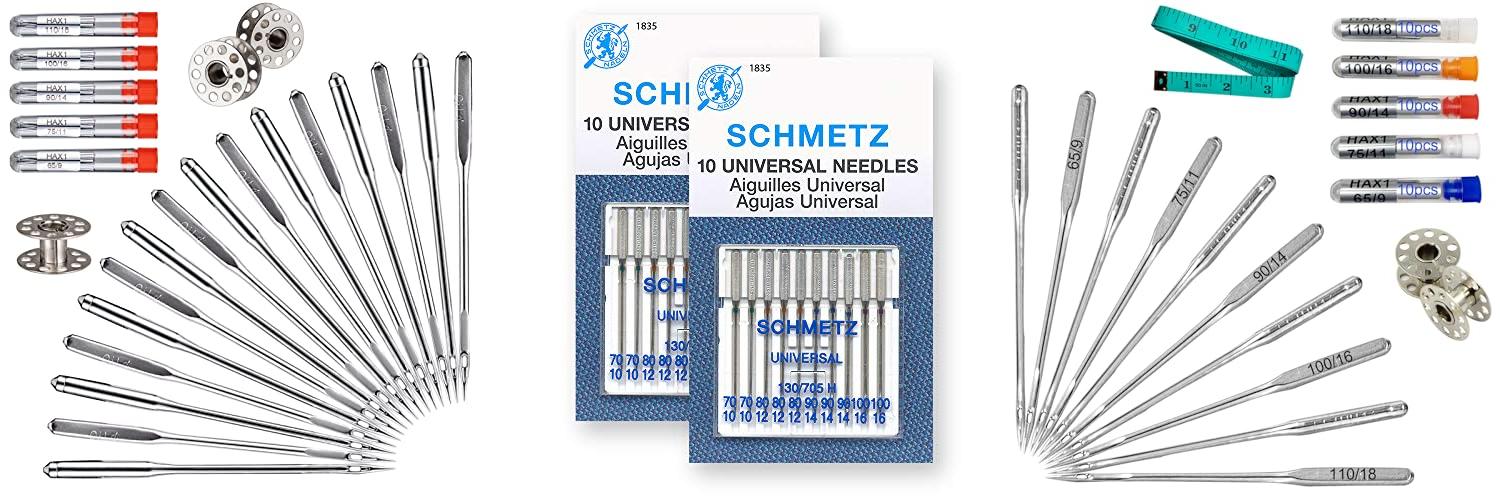
Our Top 5 Sewing Machine Needles Recommendations at a Glance
Top 5 Sewing Machine Needles Detailed Reviews
1. Sewing Machine Needles

Rating: 9.1/10
Tired of skipping stitches and broken needles ruining your sewing projects? This 50-piece Universal Sewing Machine Needle set is here to save the day! Crafted from high-strength steel, these needles are built to last. They’re super sharp and smooth, so they glide through fabric without a hitch. Whether you’re a beginner or a seasoned pro, these needles will make your sewing experience much more enjoyable.
What We Like:
- Made from tough, high-quality steel that won’t bend easily.
- Comes with five different sizes (65/9 to 110/18) for all your fabric needs, from thin yarn to thick coats.
- You get 50 needles in total, which is a fantastic value.
- Includes free storage tubes to keep your needles organized and safe.
- Comes with 3 free bobbins, an extra bonus!
- Works with most popular home sewing machines like Singer, Brother, and Janome.
- Perfect for a wide range of DIY projects, letting you explore different fabrics.
- Makes a thoughtful and practical gift for anyone who loves to sew.
What Could Be Improved:
- These needles are not designed for industrial sewing machines.
This needle set offers excellent quality and versatility for home sewers. It’s a smart buy for anyone looking to upgrade their sewing supplies.
2. 20 Schmetz Universal Sewing Machine Needles – Assorted Sizes – 2 Cards

Rating: 9.3/10
Get ready to tackle any sewing project with the 20 Schmetz Universal Sewing Machine Needles. This pack gives you a variety of sizes for all your fabric needs. You get two cards with 20 needles in total. These needles are designed to work with all home sewing machines, making them super convenient.
What We Like:
- Assorted sizes (70/10, 80/12, 90/14, 100/16) cover many fabric types.
- Slightly rounded point is gentle on fabrics, reducing snags.
- Works well on both woven and knit fabrics, making it a true all-rounder.
- Compatible with all household sewing machine brands.
- Comes with two cards, so you have plenty of needles on hand.
What Could Be Improved:
- The packaging could be more robust for long-term storage.
- While universal, very thick or specialty fabrics might require dedicated needles.
This Schmetz needle set is a fantastic value for any sewer. You’ll be well-equipped for a wide range of sewing tasks.
3. 50 Pcs Universal Sewing Machine Needles HAX1 (65/9

Rating: 8.7/10
The 50 Pcs Universal Sewing Machine Needles HAX1 kit is a fantastic choice for anyone who loves to sew. It comes with everything you need to tackle almost any fabric or project. You get a wide variety of needle sizes, perfect for everything from delicate chiffon to tough leather. Plus, these needles are made with high-quality steel, so they’ll last a long time. This kit is great for both beginners and experienced sewers.
What We Like:
- You get 50 needles in total, covering many sizes (65/9, 75/11, 90/14, 100/16, and 110/18).
- They fit most home sewing machines like Singer, Brother, and Janome.
- The needles are made of strong steel, making them hard and elastic.
- The kit includes helpful extras like metal bobbins, storage tubes, a ruler, and a case.
- You can sew many different fabrics, from cotton to leather and jeans.
What Could Be Improved:
- These needles are not for large industrial sewing machines.
This comprehensive set makes sewing easier and more enjoyable. It’s a valuable addition to any sewing toolkit.
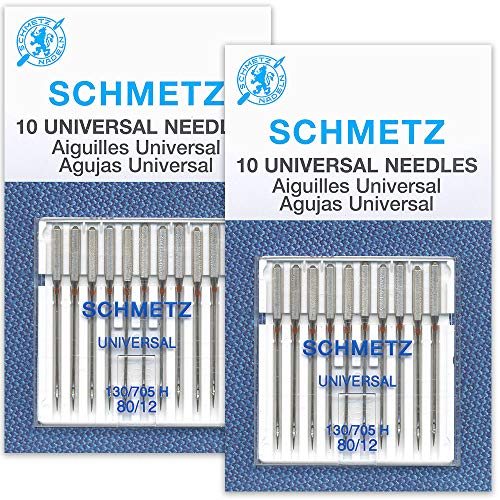
4. Schmetz Universal Sewing Machine Needles – Size 80/12-2 Cards – 20 Needles
Rating: 8.8/10
Meet the Schmetz Universal Sewing Machine Needles – Size 80/12. These needles are your go-to for many sewing projects. They work with almost any home sewing machine you can think of. You get 20 needles in total, packed neatly in two cards of ten. This makes them super convenient for keeping your sewing supplies organized.
What We Like:
- Universal Compatibility: These needles fit a huge range of sewing machines, including popular brands like Singer, Brother, and Janome.
- Great for Many Fabrics: The slightly rounded point is perfect for sewing both woven fabrics (like cotton or linen) and knit fabrics (like t-shirts or stretchy materials).
- General Purpose Use: They are a fantastic all-around needle for everyday sewing tasks.
- Convenient Packaging: You get 20 needles, split into two packs of 10, making them easy to store and grab when you need them.
- Trusted Brand: Schmetz is a well-known name in sewing needles, so you can trust their quality.
What Could Be Improved:
- Specific Fabric Needs: While great for general use, very delicate or very heavy fabrics might require specialized needles for the best results.
- Point Type: For certain knit fabrics or leather, a ballpoint or leather needle might offer smoother stitching.
These Schmetz Universal Needles are a reliable choice for any home sewer. They offer versatility and quality for a wide range of projects.
5. SINGER Universal Regular Point Machine Needles

Rating: 9.2/10
Are you a sewer looking for reliable needles for your projects? The SINGER Universal Regular Point Machine Needles are a fantastic choice for many sewing tasks. This pack gives you 20 needles in total, with a good mix of sizes to handle different fabric weights. They work with most sewing machines, making them a versatile option for your sewing kit.
What We Like:
- These needles are made for most woven fabrics, which means they’re great for everyday sewing projects.
- They fit Singer, Brother, Kenmore, and other good sewing machines. You don’t need to worry about them not working with your machine.
- The color-coding on the needles makes it super easy to find the right size you need for your fabric. No more guessing!
- You get a variety of sizes: 4 of size 80/12, 4 of size 90/14, and 2 of size 100/16. This gives you options for thinner to medium-weight materials.
- You get two packs of 10 needles, so you have a total of 20 needles. This means you’ll have plenty of needles for many sewing sessions.
What Could Be Improved:
- While they are universal, they are best for woven fabrics. If you sew a lot with stretchy knits, you might need a different type of needle for those.
- The pack includes 2 size 100/16 needles. Some projects might require more of this larger size, and you may need to buy another pack sooner if you use them frequently.
Overall, these SINGER Universal Regular Point Machine Needles are a solid, user-friendly choice for most home sewers. They offer convenience and reliability for a wide range of fabric types.
Sewing Machine Needles: Your Thread’s Best Friend
Choosing the right sewing machine needle might seem small, but it’s a big deal for your sewing projects. A good needle makes sewing smooth and easy. A bad one can cause skipped stitches, broken threads, and frustration. This guide helps you find the perfect needle for every job.
Why Needles Matter
Think of your needle as the tool that punches the thread through fabric. It needs to be strong enough for the fabric and sharp enough to pierce it cleanly. The right needle makes your stitches look neat and professional.
Key Features to Look For
When you’re shopping for needles, keep these features in mind:
Needle Size (Gauge)
- Needles come in different sizes, usually numbered from 60 to 120.
- Smaller numbers mean thinner needles. Thinner needles are for delicate fabrics like silk or chiffon.
- Larger numbers mean thicker needles. Thicker needles are for sturdy fabrics like denim or canvas.
- A common all-purpose needle size is 80/12. This is good for many fabrics.
Needle Point Type
- Universal Point: This is the most common type. It works well on most woven fabrics and some knits. It’s a good starting point.
- Ballpoint Needle: This needle has a rounded tip. It gently pushes the fabric fibers aside instead of piercing them. This is perfect for stretchy knit fabrics because it prevents skipped stitches and holes.
- Sharp/Microfiber Needle: This needle has a very sharp, thin point. It’s designed for very fine, tightly woven fabrics like silk, microfiber, and vinyl. It makes a clean hole without snagging.
- Leather Needle: These needles have a wedge-shaped point. This sharp point cuts through leather and other tough materials. Be careful, as it can leave small slits in the fabric.
- Jeans/Denim Needle: These needles are stronger and have a sharper point than universal needles. They are designed to go through multiple layers of thick fabric like denim.
Needle Coating
- Chrome-Plated: This is the most common coating. It makes the needle strong and resistant to rust.
- Titanium-Coated: These needles are extra strong and last longer than chrome-plated ones. They are good for sewing through tougher materials.
Important Materials
Most sewing machine needles are made from hardened steel. This material is strong and durable, which is exactly what you need for punching through fabric. Some needles have special coatings, like titanium, to make them even stronger and last longer.
Factors That Improve or Reduce Quality
Quality Improvements:
- Precision Manufacturing: Needles made with exact measurements and smooth surfaces are higher quality. They glide through fabric easily.
- Strong Steel: Using high-grade steel makes the needle less likely to bend or break.
- Sharpness: A sharp point pierces fabric cleanly. This prevents snags and skipped stitches.
- Consistent Coating: Even coatings protect the needle and help it move smoothly.
Quality Reducers:
- Bent or Dull Needles: These cause skipped stitches, thread breaks, and fabric damage. Always check your needle before sewing.
- Rust: Rust weakens the needle and can stain your fabric. Store needles properly to avoid rust.
- Poorly Made: Needles with rough spots or uneven points can snag fabric.
User Experience and Use Cases
Using the right needle makes sewing a joy.
- Beginners: Start with a pack of universal needles in a few common sizes (like 70/10, 80/12, 90/14). These handle most basic projects.
- Knitwear: If you sew t-shirts, activewear, or anything stretchy, ballpoint needles are a must. They save you from lots of frustration.
- Denim and Heavy Fabrics: For jeans, upholstery, or canvas bags, jeans/denim needles are your best bet. They are built tough.
- Delicate Fabrics: For fine silks or sheer fabrics, use a sharp/microfiber needle. This keeps your delicate material looking its best.
- Leather and Vinyl: If you’re working with these materials, a leather needle with its cutting point is essential.
Remember to change your needle often! Even good needles get dull with use. A fresh needle means better stitches and a happier sewing experience.
Frequently Asked Questions (FAQ)
Q: How often should I change my sewing machine needle?
A: It’s a good idea to change your needle after every 8-10 hours of sewing. For heavy fabrics, you might need to change it even sooner.
Q: Can I use a universal needle for all fabrics?
A: A universal needle works for many fabrics, but it’s not the best for everything. Stretchy knits need ballpoint needles, and very fine fabrics do better with sharp needles.
Q: What does the number on a sewing machine needle mean?
A: The number is the needle’s size or gauge. A smaller number means a thinner needle, and a larger number means a thicker needle.
Q: How do I know if my needle is dull or bent?
A: If you notice skipped stitches, thread breaking, or the needle making a loud “thunk” sound as it goes through fabric, your needle might be dull or bent.
Q: What is the difference between a ballpoint and a sharp needle?
A: A ballpoint needle has a rounded tip to push fabric fibers apart, preventing skipped stitches on knits. A sharp needle has a very fine, pointed tip for clean piercing of woven fabrics.
Q: Can I use a needle for a different brand of sewing machine?
A: Yes, most sewing machine needles are standard and fit most home sewing machines. They usually use the universal “shank” system.
Q: What are titanium-coated needles good for?
A: Titanium-coated needles are extra hard and last much longer than regular needles. They are great for sewing through tough materials like denim or multiple fabric layers.
Q: Why do my stitches skip with a new needle?
A: Skipped stitches can happen if you are using the wrong type of needle for your fabric, if the needle is not inserted correctly, or if your machine needs a tune-up.
Q: Are embroidery needles different from regular sewing needles?
A: Yes, embroidery needles often have a larger eye to accommodate thicker embroidery threads and a groove that helps prevent lint buildup.
Q: Where is the best place to store my sewing machine needles?
A: Store needles in their original packaging or a dedicated needle case. Keep them in a dry place to prevent rust.
In conclusion, every product has unique features and benefits. We hope this review helps you decide if it meets your needs. An informed choice ensures the best experience.
If you have any questions or feedback, please share them in the comments. Your input helps everyone. Thank you for reading.