
Imagine slicing through a perfectly ripe avocado or a delicate piece of fish with a knife so sharp, it feels like an extension of your own hand. That’s the magic a true sushi knife brings to the kitchen. But let’s be honest, picking the right one can feel like navigating a culinary minefield. So many brands, so many styles – it’s enough to make anyone’s head spin!
This confusion often leads to dull blades, uneven cuts, and less-than-perfect sushi. You want your creations to look as good as they taste, right? That’s where a good sushi knife makes all the difference. It’s not just about sharpness; it’s about precision, balance, and the right tool for the job.
By the end of this post, you’ll understand the key features to look for in a sushi knife. We’ll break down the different types and explain what makes them special. Get ready to say goodbye to kitchen frustration and hello to beautifully crafted sushi. Let’s dive in and find the perfect blade for your culinary adventures!
Our Top 5 Sushi Knife Recommendations at a Glance
Top 5 Sushi Knife Detailed Reviews
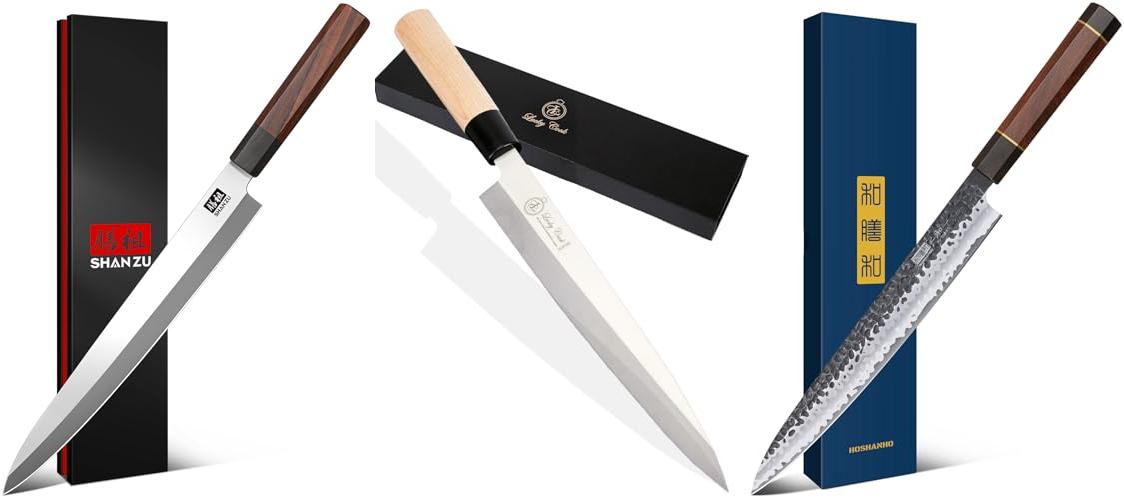
1. SHAN ZU 10 Inch Sushi Knife

Rating: 9.4/10
The SHAN ZU 10 Inch Sushi Knife is a fantastic tool for anyone who loves Japanese cuisine or needs a reliable knife for fish preparation. It’s designed to make your kitchen tasks easier and more enjoyable.
What We Like:
- The blade is made from high-quality Japanese stainless steel. It resists rust and stays sharp.
- It has an ultra-sharp edge that cuts through food with ease. The thin blade and 12° angle help maintain sharpness.
- The red sandalwood handle is octagonal and comfortable to hold. It feels strong and stable, even when you use it for a long time.
- This knife is very versatile. You can use it for sushi, filleting fish, or even slicing large steaks.
- It comes in a beautiful gift box. This makes it a great present for friends or family. The box also keeps the knife safe and clean.
What Could Be Improved:
- While the steel is good, some users might prefer an even harder steel for extreme durability.
- The 10-inch size might be a bit large for those with smaller hands or for very delicate tasks.
This SHAN ZU sushi knife offers excellent sharpness and comfort. It’s a valuable addition to any kitchen, perfect for both beginners and experienced cooks.
2. Lucky Cook Sashimi Sushi Knife 10 Inch – Knife For Cutting Sushi & Sashimi

Rating: 8.9/10
Unleash your inner sushi chef with the Lucky Cook Sashimi Sushi Knife. This 10-inch beauty is designed for perfect cuts, whether you’re making delicate sushi rolls or slicing sashimi. It’s also great for filleting fish and other kitchen tasks. The knife boasts a super sharp stainless steel blade and a comfortable wooden handle. It even comes in a nice gift box, making it a fantastic present.
What We Like:
- Incredibly sharp blade that glides through ingredients for clean cuts.
- Made from strong stainless steel that won’t rust easily and stays sharp.
- The handle feels good in your hand, making it easy to hold and use without getting tired.
- The special single-bevel blade is perfect for traditional Japanese cooking.
- It’s not just for sushi; you can use it for filleting fish, slicing meat, and chopping veggies.
- Comes in a gift box, ready to be given as a present.
What Could Be Improved:
- The traditional single-bevel design requires a specific sharpening technique.
- Being a specialized knife, it might be overkill for simple everyday chopping tasks.
This Lucky Cook knife offers amazing sharpness and versatility for any home cook. It’s a valuable tool for anyone who loves preparing fresh, delicious meals.
3. HOSHANHO Sushi Knife Japanese Sashimi Knives 10 Inch

Rating: 9.4/10
The HOSHANHO 10-inch Yanagiba knife is a specialty tool designed for slicing raw fish and sushi. Its long, thin blade makes clean cuts without tearing your ingredients. This knife helps you prepare beautiful sushi and sashimi, showing off your cooking skills.
What We Like:
- Its flat blade cuts ingredients into perfect, thin slices.
- The knife is made from strong 10Cr15CoMoV super steel, which stays sharp for a long time.
- The octagonal rosewood handle feels good in your hand and gives you a strong grip.
- It has a very sharp edge, honed to 12-15 degrees per side.
- This knife works well for more than just sushi; it can also slice soft foods like tofu.
What Could Be Improved:
- As a specialized knife, it might not be the best choice for general kitchen tasks.
- The high-carbon steel requires careful cleaning and drying to prevent rust.
This HOSHANHO knife is an excellent choice for anyone serious about making sushi and sashimi at home or in a professional kitchen. It delivers precision and quality with every slice.
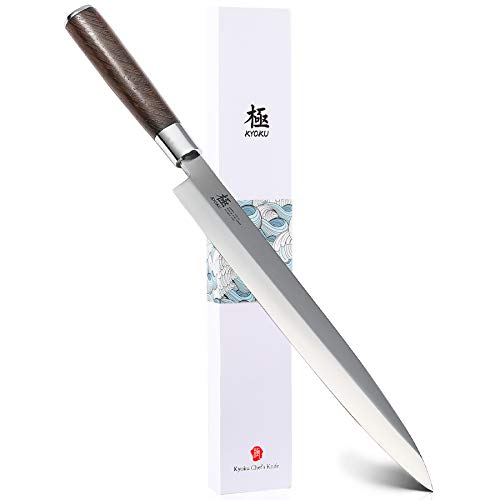
4. KYOKU Samurai Series – 10.5″ Yanagiba Knife Japanese Sushi Sashimi Knives – Superior Japanese Steel – Wenge Wood Handle – with Case
Rating: 9.0/10
The KYOKU Samurai Series 10.5″ Yanagiba Knife is a top-notch tool for anyone serious about sushi and sashimi. It’s built with amazing Japanese steel, making it super sharp and strong. The beautiful Wenge wood handle feels great in your hand, and it even comes with a protective case to keep it safe.
What We Like:
- The steel is incredibly sharp and stays that way for a long time, thanks to its special treatment.
- It’s perfectly balanced, so it feels comfortable to use and won’t make your hand tired.
- The Wenge wood handle looks really nice and feels authentic.
- It’s sharpened to a razor’s edge by skilled craftspeople.
- It resists rust and stays flexible.
- A sheath and case are included to protect the knife.
What Could Be Improved:
- This is a specialized knife, so it might be too big for some everyday kitchen tasks.
- The extreme sharpness requires careful handling and regular maintenance to keep it in top condition.
This knife is a fantastic investment for sushi lovers and home chefs. It offers professional-level performance and beauty, making every slicing task a pleasure.
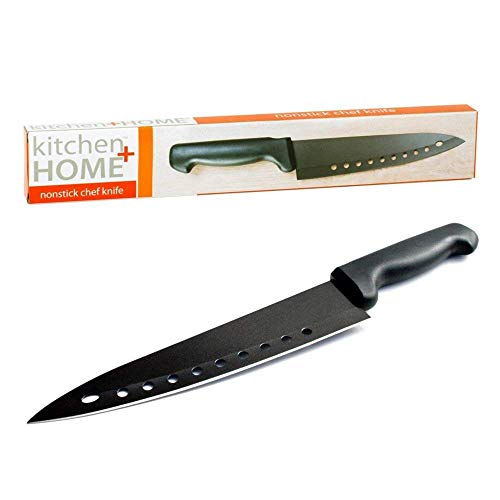
5. Kitchen + Home Non Stick Sushi Knife – The Original 8 inch Stainless Steel Non Stick Multipurpose Chef Knife
Rating: 8.9/10
Tired of food sticking to your knife? The Kitchen + Home Non Stick Sushi Knife promises to make your kitchen tasks easier. This 8-inch chef knife is designed to glide through ingredients with its special coating and unique blade. It’s meant to be a versatile tool for all your cutting needs, from sushi to vegetables.
What We Like:
- The nonstick coating and aerated blade design really help food slide off.
- It’s super sharp thanks to the high carbon stainless steel blade, perfect for precise cuts.
- This knife is very versatile; it works for sushi, meats, veggies, and even chopping herbs.
- The ergonomic handle feels comfortable and provides a secure grip, reducing hand fatigue.
- It’s dishwasher safe, although hand washing is recommended for best results.
- The lifetime warranty and 30-day satisfaction guarantee offer great peace of mind.
What Could Be Improved:
- While it’s nonstick, some users might still find very sticky foods require a quick wipe.
- The “original” claim might be a marketing point; there are many similar knives.
This knife offers a great combination of features for its price. It’s a solid choice for home cooks looking for a reliable and easy-to-use chef knife.
The Ultimate Sushi Knife Buying Guide
Are you ready to slice and dice your way to sushi perfection? A good sushi knife makes all the difference. It’s not just about looking cool; it’s about precision, ease, and safety. This guide will help you choose the best sushi knife for your kitchen adventures.
Key Features to Look For
When you’re shopping for a sushi knife, keep these important features in mind:
- Blade Sharpness: This is the most important feature. A sharp knife cuts cleanly without tearing. This keeps your fish looking its best.
- Blade Length: Sushi knives come in different lengths. Shorter blades (around 6-8 inches) are great for delicate work and smaller rolls. Longer blades (9-12 inches) handle bigger fish and larger cuts.
- Blade Shape: Most sushi knives have a single bevel. This means only one side of the blade is sharpened. This gives you incredible control for thin, precise cuts.
- Handle Comfort: You’ll spend a lot of time holding the knife. A comfortable handle prevents slipping and hand fatigue. It should feel balanced in your hand.
- Weight and Balance: A well-balanced knife feels like an extension of your arm. It shouldn’t feel too heavy in the blade or the handle.
Important Materials
The materials used in a sushi knife greatly affect its performance and durability.
- Blade Steel:
- High-Carbon Stainless Steel: This is a popular choice. It holds an edge well and resists rust. It’s a good balance of sharpness and ease of care.
- Damascus Steel: This steel has a beautiful wavy pattern. It’s known for its strength and sharpness. It’s often more expensive.
- Ceramic: Ceramic blades are incredibly sharp and stay sharp for a long time. However, they can be brittle and chip easily if dropped.
- Handle Materials:
- Wood: Many traditional sushi knives have wooden handles. They offer a classic look and good grip. Popular woods include magnolia and ebony.
- Composite Materials: These modern materials are durable and easy to clean. They often mimic the look and feel of wood.
Factors That Improve or Reduce Quality
Several things can make a sushi knife great or not so great.
- Things That Improve Quality:
- Hand-Forging: Knives made by hand often have superior craftsmanship. They are carefully shaped and sharpened.
- Proper Heat Treatment: This process makes the steel strong and able to hold a sharp edge.
- Single Bevel Grinding: As mentioned before, this is crucial for precision sushi cuts.
- Good Fit and Finish: A well-made knife has a seamless connection between the blade and handle.
- Things That Reduce Quality:
- Mass Production: Knives made in huge batches might lack the attention to detail.
- Low-Quality Steel: This steel won’t hold an edge for long. It might also be prone to chipping or rusting.
- Uneven Sharpening: A poorly sharpened blade makes cutting difficult and messy.
- Poorly Attached Handle: A wobbly handle is unsafe and uncomfortable.
User Experience and Use Cases
A good sushi knife transforms your cooking experience.
- For Beginners: A simple, sharp knife with a comfortable handle is ideal. You want something easy to control. A 6-8 inch blade is a good starting point. It will help you practice making clean cuts for maki rolls and sashimi.
- For Enthusiasts: If you’re serious about sushi, you might want a specialized knife. A Yanagiba is a long, thin knife perfect for slicing raw fish (sashimi). A Deba knife is heavier and used for filleting fish.
- General Kitchen Use: While designed for sushi, many of these knives can be used for other tasks like thinly slicing vegetables or herbs. However, always use the right knife for the job to protect its edge.
Remember, proper care is key. Always wash your sushi knife by hand and dry it immediately. Store it safely to avoid damage. With the right knife, you’ll be creating beautiful and delicious sushi in no time!
Frequently Asked Questions about Sushi Knives
Q: What is the best type of knife for making sushi at home?
A: For home cooks, a versatile sushi knife like a Gyuto (Japanese chef’s knife) or a Santoku can work well. If you want a dedicated sushi knife, a Yanagiba is excellent for slicing fish, but it requires practice.
Q: How do I keep my sushi knife sharp?
A: You need to hone your knife regularly with a honing steel. Sharpening with a whetstone or a professional sharpener is also necessary every few months, depending on use.
Q: Can I use a Western-style chef’s knife for sushi?
A: You can, but it’s not ideal. Western knives are typically double-beveled, which can tear the delicate flesh of the fish. Sushi knives have a single bevel for cleaner cuts.
Q: What does “single bevel” mean on a sushi knife?
A: A single-bevel blade means only one side of the blade is sharpened to a fine edge. This allows for extremely precise and thin cuts, which is essential for sushi and sashimi.
Q: Is a Damascus steel sushi knife worth the extra cost?
A: Damascus steel is known for its beauty, strength, and sharpness. If you appreciate the craftsmanship and want top performance, it can be worth it. However, high-carbon stainless steel knives can also be excellent.
Q: How long should a sushi knife blade be?
A: Blade length depends on what you’re cutting. For general sushi making and smaller rolls, 6-8 inches is good. For slicing larger fish fillets, a 9-12 inch Yanagiba is preferred.
Q: Are ceramic sushi knives good?
A: Ceramic knives are very sharp and don’t need frequent sharpening. However, they are brittle and can chip or break if dropped or used improperly. They are not ideal for heavy-duty tasks.
Q: What is the difference between a Yanagiba and a Deba knife?
A: A Yanagiba is a long, thin knife used for slicing fish thinly (sashimi). A Deba is a heavier, thicker knife used for filleting fish and chopping through bones.
Q: How do I clean my sushi knife?
A: Always wash your sushi knife by hand with warm water and mild soap. Never put it in the dishwasher, as the heat and harsh detergents can damage the blade and handle.
Q: Where should I store my sushi knife?
A: Store your sushi knife safely to protect the blade. Use a knife block, a magnetic strip, or a blade guard. This prevents accidental cuts and keeps the edge from getting dull.
In conclusion, every product has unique features and benefits. We hope this review helps you decide if it meets your needs. An informed choice ensures the best experience.
If you have any questions or feedback, please share them in the comments. Your input helps everyone. Thank you for reading.