
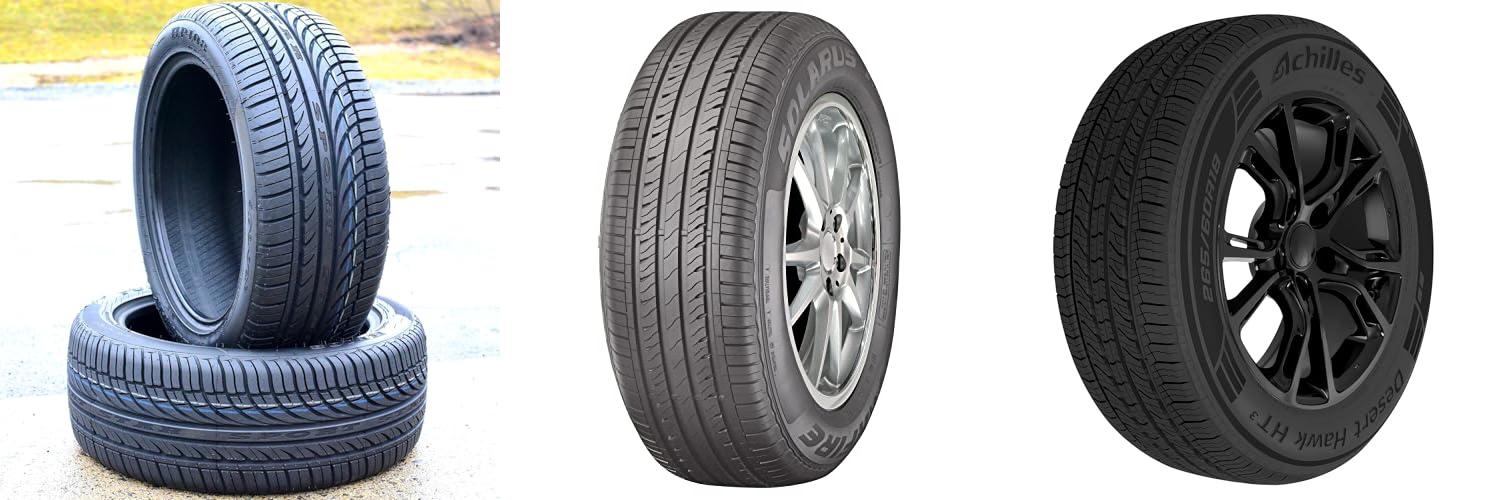
Ever wondered if your Subaru Forester’s tires are holding it back? That feeling of your SUV gripping the road with confidence, no matter the weather, is a game-changer. But finding the perfect tires for your Forester can feel like navigating a maze. There are so many brands and types, each promising the best performance. It’s easy to get overwhelmed and worry about making the wrong choice.
Choosing the right tires isn’t just about looks; it’s about safety, fuel efficiency, and how well your Forester handles everything from city streets to snowy trails. You want tires that can handle your daily commute, keep you steady on winding roads, and give you peace of mind when the weather turns rough. But with so many options, how do you know which ones are truly the best fit for your specific Forester model and your driving needs? It’s a common struggle for Forester owners.
This post is here to clear up the confusion. We’ll break down what makes a great tire for your Subaru Forester, explore different types of tires, and highlight key features to look for. By the end, you’ll have a clear understanding of your options, so you can confidently pick tires that will enhance your Forester’s performance and keep you safe on all your adventures. Let’s get started on finding those perfect tires!
Our Top 5 Tires For Subaru Forester Recommendations at a Glance
Top 5 Tires For Subaru Forester Detailed Reviews
1. Set of 2 (TWO) Fullway HP108 All-Season Passenger Car High Performance Radial Tires-215/55R17 215/55ZR17 215/55/17 215/55-17 98W Load Range XL 4-Ply BSW Black Side Wall UTQG 380AA

Rating: 9.2/10
This Set of 2 Fullway HP108 All-Season Passenger Car High Performance Radial Tires is designed to give your car a boost. These tires are built for all kinds of weather. They offer a good grip on the road. The tires have a special tread that helps them perform well. They are also made to last. You get two tires in this set. They are the right size for many passenger cars. These tires will help your car drive smoothly and safely.
What We Like:
- These are all-season tires. They work well in rain, sun, and even light snow.
- The tires are high-performance. They help your car handle better and feel more responsive.
- They are designed for passenger cars. This means they fit a lot of different vehicles.
- The load range is XL. This means they can carry more weight.
- They are 4-ply rated. This makes them strong and durable.
- The black sidewall looks neat on any car.
What Could Be Improved:
- The treadlife is not listed. It’s hard to know how long they will last.
- This is a set of tires only. You will need to buy wheels separately.
If you need reliable all-season tires for your passenger car, this set is a good option. They offer good performance and durability for everyday driving.
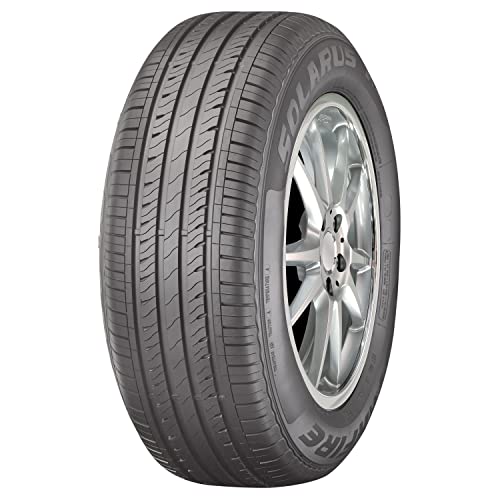
2. Starfire Solarus AS All-Season 225/60R17 99H Tire
Rating: 8.5/10
The Starfire Solarus AS All-Season 225/60R17 99H tire offers a balanced performance for your vehicle. This tire is designed to handle various weather conditions throughout the year. It is a great option for drivers who want a reliable tire that lasts a long time.
What We Like:
- It comes with a 50,000-mile warranty, meaning it’s built to last.
- This is an all-season touring tire, so it works well in different weather, including mud and snow (M+S rated).
- Drivers will enjoy good traction on the road, which helps keep you safe.
- It’s designed to be fuel-efficient, saving you money at the gas pump.
- Cooper Tire & Rubber Company manufactures these tires, a well-known and trusted brand.
What Could Be Improved:
- Some drivers might prefer a tire with a longer warranty for extra peace of mind.
- While good for many conditions, extreme off-road performance might not be its strongest suit.
Overall, the Starfire Solarus AS tire is a solid choice for drivers seeking a dependable and economical tire for daily use. It provides a good mix of longevity, safety, and efficiency.
3. Achilles Desert Hawk HT3 Highway 225/60R17 99H SUV/Crossover Tire

Rating: 9.0/10
Get ready for a smoother, safer ride with the Achilles Desert Hawk HT3 Highway tire. This tire is made specifically for SUVs and crossovers, giving you confidence on the road. It’s built to handle your daily drives and weekend adventures.
What We Like:
- The special grooves on the tire help push water away. This stops your vehicle from skidding when the road is wet.
- The sides of the tire are made to help you steer better. You’ll feel more in control when turning.
- The tire’s pattern is designed to be quiet. You won’t hear loud road noise or feel shaky vibrations.
- It comes with a 60,000-mile warranty. This shows Achilles stands behind its product.
What Could Be Improved:
- While designed for highway use, performance in very deep mud or off-road conditions might be limited compared to specialized tires.
- Specific availability and pricing can vary by region and retailer.
The Achilles Desert Hawk HT3 Highway tire offers a great balance of comfort and safety for your SUV or crossover. It’s a solid choice for drivers who want a reliable tire for everyday travel.
4. Fullway HP108 All-Season Passenger Car High Performance Radial Tire-215/55R17 215/55ZR17 215/55/17 215/55-17 98W Load Range XL 4-Ply BSW Black Side Wall UTQG 380AA

Rating: 8.7/10
The Fullway HP108 All-Season Passenger Car High Performance Radial Tire is built for drivers who want a reliable tire for their everyday car. It’s designed to handle various weather conditions, offering good performance year-round. This tire is a solid choice for passenger cars, providing a comfortable and stable ride.
What We Like:
- It’s an all-season tire, so you can use it in rain, sun, and light snow.
- The high-performance design means you get good handling and a responsive feel.
- The Load Range XL and 4-Ply Rating suggest it can handle heavier loads and is built to be tough.
- It features a Black Side Wall (BSW), giving it a classic tire look.
What Could Be Improved:
- The treadlife is not specified, which makes it hard to know how long the tire will last.
- Detailed information about its specific performance in extreme conditions, like heavy snow or ice, is limited.
If you need a dependable tire that performs well in most conditions, the Fullway HP108 is worth considering. It balances everyday usability with a touch of performance for your passenger car.
5. Lexani LXUHP-207 225/55ZR18 102W XL

Rating: 8.6/10
The Lexani LXUHP-207 225/55ZR18 102W XL tires are built for drivers who want excellent performance in warm weather. They fit well on sports cars and other vehicles that are made for speed. These tires offer a smooth and quiet ride, making your trips more enjoyable.
What We Like:
- These tires are made for performance cars and warm weather.
- They have a 50,000-mile limited warranty on the tread.
- Wide grooves help push water away, stopping hydroplaning.
- A V-shaped tread design helps you grip the road better and stop faster, especially at high speeds.
- The tire’s design makes your ride quiet and smooth by reducing noise and shaking.
What Could Be Improved:
- These tires are best for warmer climates and may not perform well in snow or ice.
- The 50,000-mile warranty is limited, so it’s good to check the details.
If you drive a performance vehicle and enjoy spirited drives on dry roads, the Lexani LXUHP-207 tires are a solid option. They balance performance with a comfortable ride.
Finding the Best Tires for Your Subaru Forester
Your Subaru Forester is a fantastic all-around vehicle. It’s ready for daily commutes, family road trips, and even a bit of off-road adventure. To get the most out of your Forester, you need the right tires. This guide will help you pick the perfect set.
What to Look for in Forester Tires
When you shop for tires, keep these important features in mind.
- Tire Type: Most Forester owners do well with all-season tires. These work well in sun, rain, and light snow. If you live where it snows a lot, consider dedicated winter tires.
- Tread Pattern: A good tread pattern helps grip the road. Look for tires with deep grooves and sipes (small cuts). These channels move water and snow away from the tire, giving you better traction.
- Load Index and Speed Rating: These numbers tell you how much weight a tire can carry and how fast it can safely go. Your Forester’s owner’s manual will list the correct ratings for your car. Using the wrong ones can be dangerous.
- Tire Size: This is super important! The tire size is usually found on a sticker inside your driver’s side doorjamb or in your owner’s manual. It will look something like “225/60R17”. Make sure you buy tires that match your Forester’s size.
Tire Materials Matter
Tires are made of rubber and other special materials.
- Rubber Compounds: Different rubber mixes make tires perform differently. Softer rubber gives better grip but wears out faster. Harder rubber lasts longer but might not grip as well in wet or cold conditions.
- Steel Belts: Inside the tire, steel belts add strength and help the tire keep its shape. This makes the ride smoother and improves handling.
- Fabric Plies: These layers of fabric (like polyester or nylon) also help the tire hold its shape and absorb bumps from the road.
What Makes a Tire Great (or Not So Great)
Several things affect how good a tire is.
- Grip: How well the tire sticks to the road. Good grip is essential for safe braking and turning, especially in bad weather.
- Durability: How long the tire lasts before it needs to be replaced. Tires with longer tread life save you money in the long run.
- Ride Comfort: How smooth and quiet the tire is on the road. Some tires are designed to reduce noise and vibration, making your drive more pleasant.
- Fuel Efficiency: Some tires are made to roll more easily. This means your Forester uses less gas, saving you money and reducing emissions.
- Weather Performance: How well the tire performs in different conditions like rain, snow, and ice.
User Experience and Use Cases
Think about how you use your Forester.
- Daily Commuting: If you drive mostly in the city or on highways, all-season tires with good tread life and a comfortable ride are your best bet.
- Family Adventures: For road trips and carrying passengers, you’ll want tires that offer a smooth ride, good grip, and durability.
- Light Off-Roading: If you sometimes drive on gravel roads or unpaved paths, tires with a more aggressive tread pattern can give you extra traction.
- Winter Driving: If you live in an area with heavy snow and ice, investing in a set of winter tires will make a huge difference in safety and performance.
Frequently Asked Questions (FAQ)
Q: What are the main Key Features to look for?
A: The main Key Features are the tire type (all-season or winter), tread pattern for grip, correct load index and speed rating, and the right tire size for your Forester.
Q: What are important materials in tires?
A: Important materials include rubber compounds for grip and durability, steel belts for strength, and fabric plies for shape and shock absorption.
Q: What factors improve tire quality?
A: Factors that improve tire quality are excellent grip in all weather, long tread life, a comfortable and quiet ride, and good fuel efficiency.
Q: What factors reduce tire quality?
A: Factors that reduce tire quality include poor grip in wet or icy conditions, quick wear, noisy operation, and a stiff ride.
Q: What is the most common tire type for a Subaru Forester?
A: The most common and versatile tire type for a Subaru Forester is the all-season tire.
Q: Should I get winter tires for my Forester?
A: You should consider winter tires if you live in an area with frequent snow and ice. They offer much better safety and performance in cold conditions.
Q: How do I find the correct tire size for my Forester?
A: You can find the correct tire size on a sticker inside your driver’s side doorjamb or in your Forester’s owner’s manual.
Q: Can I use tires with a different speed rating than what’s recommended?
A: It’s best to stick to the recommended speed rating. Using a lower rating can be unsafe. You can use a higher rating if needed, but it’s not usually necessary.
Q: How does tire tread pattern affect performance?
A: A good tread pattern with deep grooves and sipes helps channel water and snow away, providing better traction and preventing hydroplaning.
Q: How often should I check my tire pressure?
A: You should check your tire pressure at least once a month and before long trips to ensure optimal performance and safety.
In conclusion, every product has unique features and benefits. We hope this review helps you decide if it meets your needs. An informed choice ensures the best experience.
If you have any questions or feedback, please share them in the comments. Your input helps everyone. Thank you for reading.