
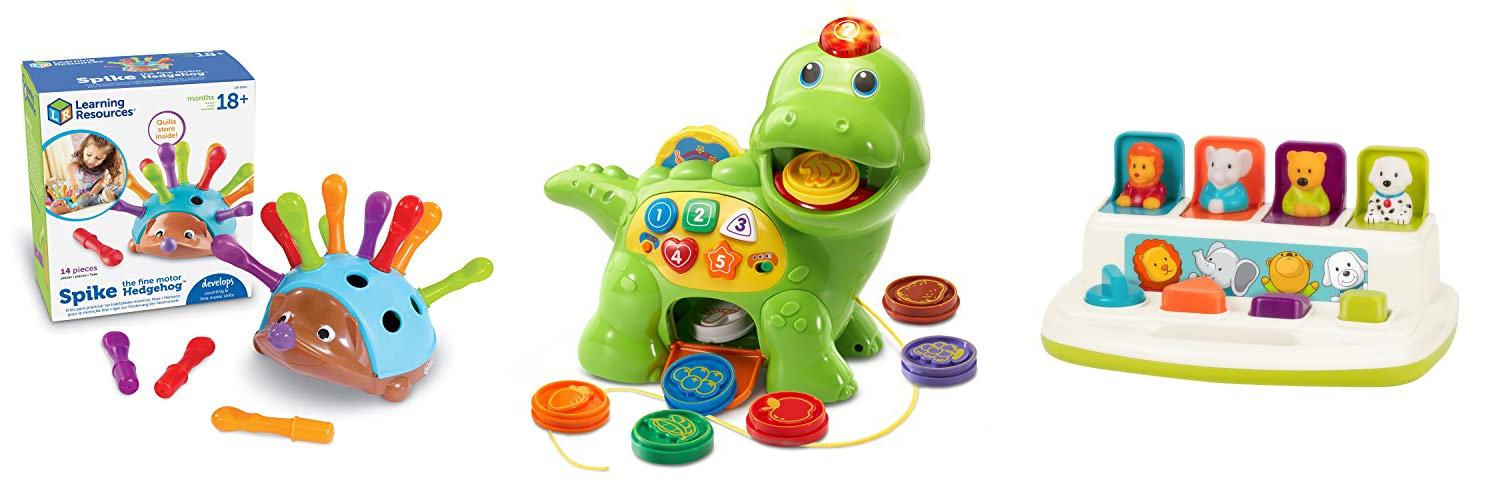
Imagine your little one’s eyes lighting up with wonder, their tiny hands reaching out to explore something new and exciting. What if that “something” could also help them learn and grow at this crucial stage? Choosing the perfect toy for an 18-month-old can feel like navigating a maze. So many choices, and you just want to pick something that’s fun, safe, and actually beneficial for their development. It’s easy to get overwhelmed, isn’t it?
At 18 months, toddlers are little sponges, soaking up the world around them. They’re developing new skills every day – from walking and climbing to stacking and babbling. Finding toys that support these leaps and bounds is key, but knowing *which* toys do the best job can be a challenge. You want toys that spark their imagination, encourage problem-solving, and keep them happily engaged without being overly complicated.
This post is here to make that decision much easier. We’ll dive into the kinds of toys that are just right for this age, explaining why they work and what developmental benefits they offer. You’ll discover how to pick toys that encourage exploration, build fine motor skills, and even boost early language development. Get ready to find some fantastic ideas that will bring smiles and learning to your 18-month-old!
Our Top 5 Toy For 18 Month Old Recommendations at a Glance
Top 5 Toy For 18 Month Old Detailed Reviews
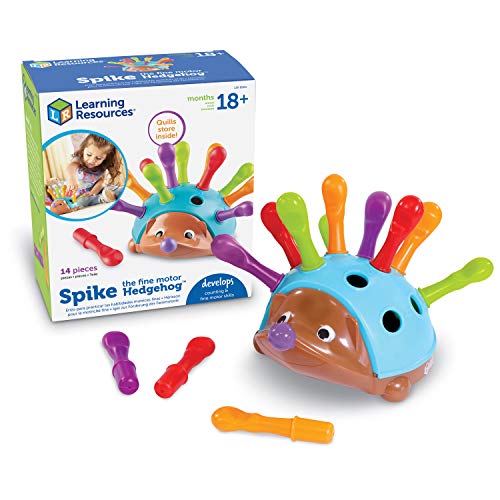
1. Learning Resources Spike The Fine Motor Hedgehog – Toddler Montessori Toys
Rating: 8.9/10
Get ready for some prickly fun with Learning Resources Spike the Fine Motor Hedgehog! This adorable, colorful hedgehog is more than just a cute toy; it’s a fantastic tool designed to help little ones develop crucial skills. From stacking and sorting to color recognition and counting, Spike offers a playful and engaging way for toddlers and preschoolers to learn and grow.
What We Like:
- DEVELOPS ESSENTIAL FINE MOTOR SKILLS: The colorful quills are perfectly sized for little hands to grasp and insert, strengthening hand muscles and improving hand-eye coordination.
- GROWS WITH YOUR CHILD: This toy is suitable for children 18 months and older. It starts as a simple stacking activity and can evolve to teach colors, counting, and even pattern recognition as your child gets older.
- PROVIDES ENGAGING SENSORY PLAY: The uniquely textured quills offer a captivating tactile experience that keeps children focused and provides valuable sensory stimulation.
- PROMOTES COGNITIVE DEVELOPMENT: The numbered holes on Spike’s back naturally encourage learning about numbers, counting, and color matching through hands-on play.
- PRACTICAL SMART DESIGN: The built-in storage compartment inside the hedgehog keeps all 12 quills neat and tidy, making cleanup a breeze and ensuring no pieces are lost, even during travel.
What Could Be Improved:
- While the quills are easy to grip, some very young toddlers might find them a little challenging to insert initially.
- The bright colors are a big hit, but a wider variety of color combinations for the quills could offer even more sorting challenges for older preschoolers.
Learning Resources Spike the Fine Motor Hedgehog is an excellent educational toy that offers a wealth of learning opportunities in a fun, engaging package. It’s a smart investment for any parent looking to support their child’s early development.
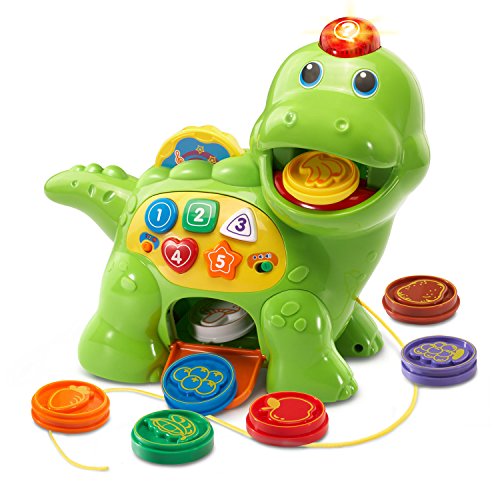
2. VTech Chomp and Count Dino
Rating: 8.7/10
Get ready for roaring good fun with the VTech Chomp and Count Dino in a vibrant green! This friendly dinosaur is more than just a toy; he’s a learning buddy ready to engage your little one in exciting educational play. Feed him his colorful food pieces and watch him respond with delight, all while teaching essential early learning concepts.
What We Like:
- Interactive feeding play: The dinosaur recognizes eight brightly colored food pieces, offering fun responses as each is eaten.
- Comprehensive learning: Introduces colors, food names, shapes, and counting in both “Counting” and “Meal” modes.
- Rich content: Features over 130 songs, melodies, sounds, and phrases to keep little learners entertained.
- Engaging activities: Five shape buttons teach shapes and numbers, while a spinning disc plays sing-along songs.
- Active play encouraged: The dinosaur acts as a pull toy, interacting when pulled or pushed along.
- Parent-friendly features: Includes volume control and auto shut-off for convenience.
- Batteries included: Comes with 2 AA batteries for immediate demo play.
What Could Be Improved:
- Durability concerns: Some users have reported that the toy can be easily damaged if dropped.
- Limited shape recognition: While it recognizes food pieces, the shape buttons are separate from the feeding action.
The VTech Chomp and Count Dino is a fantastic tool for early learning, providing hours of interactive fun and educational discovery for toddlers. It’s a great way to introduce key concepts in an engaging and playful manner.
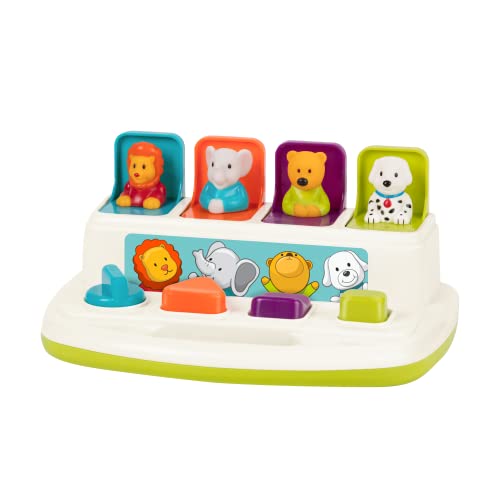
3. Battat – Cause – And – Effect Toy – Developmental Toy With Buttons & Colors – Color Sorting Animal Toys – For Kids
Rating: 8.6/10
The Battat Pop-Up Pals toy is a fantastic way for little ones to explore cause and effect. This colorful developmental toy features friendly animal characters that pop up when a button is pressed. It’s designed to engage curious minds and little hands, making learning a fun adventure.
What We Like:
- The pop-up action is exciting and clearly demonstrates cause and effect.
- Each button is different – turning, pressing, flipping, and sliding them keeps little fingers busy and develops fine motor skills.
- Kids learn about different animals, colors, and shapes while playing.
- The built-in handle makes it super easy to carry, perfect for car rides or visits to grandma’s house.
- It’s recommended for children 18 months and older, making it a great early developmental toy.
- The bright colors and cheerful animal designs are very appealing to toddlers.
What Could Be Improved:
- Sometimes, the buttons can be a little stiff for the youngest toddlers to operate independently.
- More animal variety could be added in future versions.
This toy is a win for both playtime and learning. It provides hours of engaging fun while helping toddlers grasp important developmental concepts.
4. Kikidex Magnetic Drawing Board

Rating: 8.6/10
The Kikidex Magnetic Drawing Board in Light Blue is an engaging and educational toy designed for toddlers and young children aged 1-3 years old. It offers a mess-free way for little ones to explore their artistic side and develop important early learning skills.
What We Like:
- It makes a fantastic gift for birthdays or holidays, offering endless artistic expression.
- This board helps develop visual perception, hand-eye coordination, and color recognition.
- Children can learn letters, words, and numbers through play.
- The drawing board is sturdy with adjustable legs for comfortable use.
- It is made from safe, non-toxic, BPA-free ABS material with rounded corners.
- The board is completely sealed to prevent any small parts from escaping.
- It eliminates the need for paper, crayons, and pencils, making it environmentally friendly.
- The smooth gliding eraser knob allows for easy cleanup and quick restarts.
What Could Be Improved:
- While designed for durability, prolonged rough play might still pose a risk of breakage.
- Availability might be limited depending on the retailer.
This Kikidex Magnetic Drawing Board provides a wonderful, screen-free experience that fosters creativity and learning. It’s a smart choice for parents looking for a fun and beneficial toy for their young child.
5. Learning Toys for 1
Rating: 8.7/10
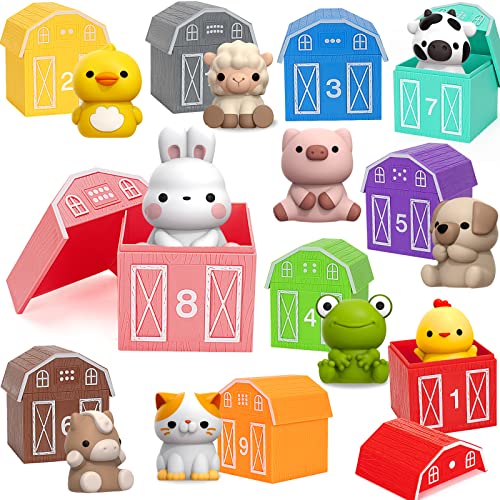
This 20-piece Farm Animals Toy Set is a delightful way to introduce young children to the world of learning and play. It combines adorable farm animal figures with interactive barns, designed to engage toddlers aged 1 to 3 years old in a variety of developmental activities.
What We Like:
- The set includes 10 cute and realistic farm animals, like cats, dogs, and cows, which are perfect partners for imaginative play.
- Each animal doubles as a finger puppet, helping to develop fine motor skills and hand-eye coordination as little ones put them on and take them off.
- The barns are designed for “put in” and “take out” play, further enhancing fine motor skills and teaching basic actions.
- Montessori-inspired learning is built into the set; barn lids are numbered 1-10 with corresponding dots on the bodies, encouraging counting, color matching, and sorting skills.
- Safety is a priority, with the animal toys made from odorless, lightweight vinyl and the barns from smooth, safe plastic, all designed to be drop-resistant and non-fading.
- This toy set makes a fantastic gift for birthdays, holidays, or any occasion, offering endless learning fun for babies and toddlers.
What Could Be Improved:
- While the animals are designed to fit into the barns, some toddlers might find it challenging initially to perfectly align them for insertion.
- The small size of the animals, while great for little hands, means they could be easily misplaced if not stored carefully.
This toy set offers a well-rounded approach to early childhood education, fostering cognitive and motor development through engaging farm-themed play. It’s a wonderful tool for parents and educators looking for safe, fun, and educational activities for toddlers.
Choosing the Best Toy for Your 18-Month-Old
Finding the perfect toy for an 18-month-old can be a fun adventure. At this age, toddlers are exploring the world with all their senses. They love to touch, stack, push, and pretend. This guide will help you pick toys that are safe, engaging, and beneficial for your little one’s development.
Key Features to Look For
When you’re shopping, keep these important features in mind:
- Age Appropriateness: Toys should be designed for babies and toddlers 18 months and older. Look for labels that clearly state the recommended age range.
- Durability: Toddlers can be rough with their toys. Choose toys made from strong materials that can withstand dropping and enthusiastic play.
- Safety: This is the most important feature. Toys should not have small parts that can be swallowed. They should also be free of sharp edges or toxic paints.
- Open-Ended Play: Toys that can be used in many different ways encourage creativity. Think about toys that don’t have just one specific purpose.
- Sensory Stimulation: Look for toys that offer different textures, sounds, and colors. This helps babies learn about the world around them.
- Skill Development: Toys should help with fine motor skills (like picking up small objects), gross motor skills (like walking and balancing), and problem-solving.
Important Materials
The materials toys are made from matter a lot for safety and longevity.
- Wood: Natural wood toys are often sturdy and safe. Make sure they are finished with non-toxic paints or stains.
- Plastic: High-quality, BPA-free plastic is a common and safe choice. Avoid toys with a strong chemical smell.
- Fabric: Soft fabric toys, like plush animals or activity cubes, are great for cuddles and sensory exploration. Ensure they are washable.
- Silicone: Food-grade silicone is often used for teething toys and other safe, chewable items.
Factors That Improve or Reduce Quality
Certain things make a toy better, while others can make it less ideal.
Improving Quality:
- Sturdy Construction: Toys that feel solid and well-made are less likely to break.
- Non-Toxic Finishes: Paints and finishes that are safe if a child puts them in their mouth are a huge plus.
- Engaging Designs: Bright colors and interesting shapes capture a toddler’s attention.
- Ease of Cleaning: Toys that are easy to wipe down or wash are a lifesaver for parents.
Reducing Quality:
- Flimsy Parts: Toys that feel like they could break easily are a safety concern.
- Choking Hazards: Small, detachable pieces are a major no-no.
- Strong Chemical Smells: This can indicate unsafe materials.
- Limited Play Value: Toys that only do one thing can become boring quickly.
User Experience and Use Cases
Think about how your child will interact with the toy and how it fits into your daily life.
- Encouraging Movement: Ride-on toys or push cars help toddlers practice walking and build confidence.
- Developing Fine Motor Skills: Stacking cups, shape sorters, and simple puzzles help little hands learn to grasp and manipulate objects.
- Sparking Imagination: Play kitchens, toy phones, and dolls encourage pretend play, which is vital for social and emotional growth.
- Sensory Exploration: Water tables, sandboxes (with supervision!), or textured balls engage a child’s senses.
- Quiet Playtime: Books with textures or simple building blocks can provide calm and focused activity.
Frequently Asked Questions (FAQ)
Q: What are the main Key Features to look for in a toy for an 18-month-old?
A: The main key features are age appropriateness, durability, safety (no small parts, no sharp edges, non-toxic), open-ended play possibilities, sensory stimulation, and toys that help develop skills like motor control and problem-solving.
Q: Are wooden toys safe for 18-month-olds?
A: Yes, wooden toys are generally very safe, as long as they are made with non-toxic paints or finishes and don’t have small, detachable parts.
Q: What are some good examples of open-ended toys for this age?
A: Stacking blocks, large building blocks, simple toy vehicles, and play silks are excellent examples of open-ended toys.
Q: How important is it for toys to be washable?
A: It’s very important! Toddlers explore with their mouths, and toys get dirty easily. Washable toys make it easier to keep things clean and hygienic.
Q: What should I do if a toy has a strong chemical smell?
A: You should avoid giving that toy to your child. The smell can indicate the presence of unsafe chemicals. It’s best to return the toy or dispose of it safely.
Q: Are electronic toys good for 18-month-olds?
A: Some electronic toys can be educational, but it’s best to balance them with plenty of non-electronic toys that encourage active, imaginative play. Look for simple, interactive electronic toys rather than those with too many flashing lights and loud sounds.
Q: What kind of toys help with walking and balance?
A: Push toys, ride-on toys, and simple walking aids can help toddlers develop their gross motor skills and confidence in walking.
Q: Should I worry about BPA in plastic toys?
A: Yes, you should. Look for toys that are labeled “BPA-free” to ensure they are made from safer plastics.
Q: How can toys help my child learn to solve problems?
A: Shape sorters, simple puzzles with large pieces, and toys where they have to figure out how to make something happen (like a ramp for a car) encourage problem-solving skills.
Q: What is the best way to introduce new toys to my 18-month-old?
A: Sit with your child and show them how the toy works. Play together and encourage them to explore it on their own. Keep it fun and low-pressure!
In conclusion, every product has unique features and benefits. We hope this review helps you decide if it meets your needs. An informed choice ensures the best experience.
If you have any questions or feedback, please share them in the comments. Your input helps everyone. Thank you for reading.