
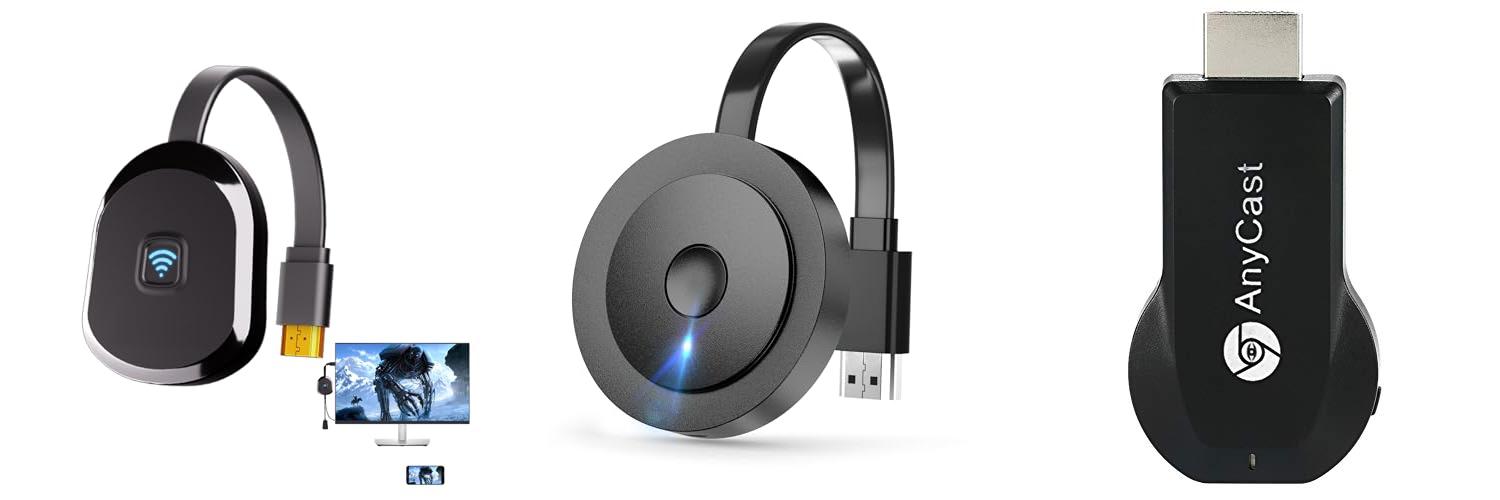
Imagine this: you’ve just captured an amazing video on your iPhone, or you’re excited to show your friends the hilarious meme you found. But then comes the dilemma – how do you share that awesome content with everyone in the room? Trying to huddle around a small iPhone screen can be a real buzzkill, right?
That’s where mirroring your iPhone to your TV comes in! It’s like giving your phone’s screen a superpower, letting you share photos, videos, games, and even presentations on a big, comfortable display. But with so many ways to do it, from fancy gadgets to simple settings, figuring out the best method can feel a little confusing. You want it to be easy, fast, and work with your TV.
This post is your secret weapon! We’ll break down the different ways you can connect your iPhone to your TV, making it super simple to understand. You’ll learn exactly what you need, whether it’s a special cable or just a few clicks in your settings. Get ready to say goodbye to squinting at your phone and hello to big-screen fun!
Our Top 5 Tv To Screen Mirror Iphone Recommendations at a Glance
Top 5 Tv To Screen Mirror Iphone Detailed Reviews
1. 4K Wireless HDMI Display Adapter

Rating: 9.1/10
Tired of tangled wires and small screens? The HRpart 4K Wireless HDMI Display Adapter is here to help! This handy gadget lets you easily share what’s on your phone, tablet, or laptop onto a bigger screen like your TV or projector. It’s great for watching videos, showing off photos, or even giving presentations without any messy cables. It works with many devices, including iPhones, iPads, Android phones, and Windows laptops.
What We Like:
- Lets you see content from small screens on big screens without cables.
- Supports two ways to share: Direct Mirror and DLNA mode for different needs.
- Super easy to set up – just plug it in and power it up.
- Uses both 2.4G and 5G Wi-Fi for fast and stable streaming.
- Works with iPhones, iPads, Android devices, and Windows computers.
What Could Be Improved:
- Won’t work with some paid apps like Netflix or Amazon Prime Video because of copy protection.
- It sends 4K signals, but won’t make non-4K videos look better.
- Your TV or monitor needs to be 4K to see 4K quality, and the video itself must be 4K.
This wireless adapter offers a simple way to enjoy your content on a larger display. It’s a convenient tool for sharing and entertainment.
2. 4K Wireless HDMI Display Adapter

Rating: 9.1/10
Tired of messy cables? The SOCLLLife 4K Wireless HDMI Display Adapter lets you share your phone, tablet, or laptop screen on a big TV or projector without any cords. It supports lots of devices like iPhones, iPads, Android phones, and Windows laptops. You can watch videos, show pictures, or even do presentations on a larger screen easily.
What We Like:
- Enjoy crystal-clear 4K video and audio without any wires.
- Easily cast Netflix, YouTube, and other apps from Android and Windows devices.
- Simple setup – just plug it in and connect through your device’s screen mirroring feature.
- Use Mirror Mode to show your screen exactly as it is, or Extend Mode to do two things at once (like watch a movie on TV while texting on your phone).
- Works with popular apps like Safari, YouTube, and TikTok from iOS devices.
What Could Be Improved:
- Doesn’t support HDCP-encrypted apps like Netflix or Hulu from iOS devices.
- Google Pixel users might need to update the dongle’s software online for the best performance.
- iOS users need an extra step to connect to the dongle’s Wi-Fi signal.
This wireless HDMI adapter offers a great way to enjoy your favorite content on a bigger screen. It’s a simple solution for sharing your digital world with others.
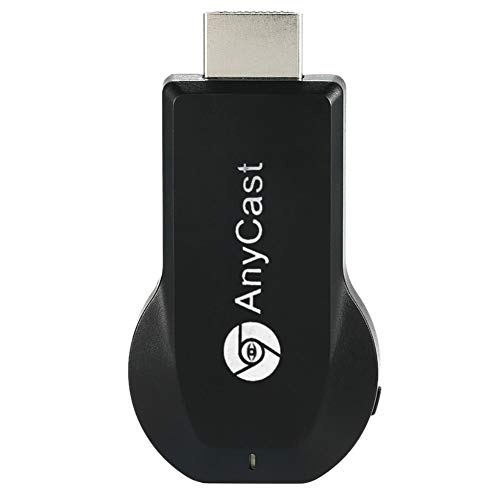
3. SmartSee Anycast HD Wireless Display Adapter WiFi 1080P Mobile Screen Mirroring Receiver Dongle for iPhone Mac iOS Android to TV Projector Support Miracast Airplay DLNA
Rating: 8.9/10
Transform your regular TV into a smart screen with the SmartSee Anycast HD Wireless Display Adapter. This handy dongle lets you wirelessly share your phone, tablet, or computer screen onto a bigger display. It’s perfect for watching movies, showing off photos, or even giving presentations.
What We Like:
- It makes sharing videos, photos, and movies to your TV super easy.
- You don’t need to download any apps or install drivers; it’s plug-and-play.
- It works with both iPhones and Android devices, as well as Macs and Windows computers.
- The adapter automatically updates itself to keep up with the latest phone and computer systems.
- It’s great for sharing content at home, in meetings, or in classrooms.
What Could Be Improved:
- It doesn’t work with certain apps that have built-in protections, like Netflix or Amazon Prime Video.
- It’s not compatible with all Android phones, specifically mentioning Google Pixel and Motorola devices.
- You need to press a button on the dongle to switch between Airplay and Miracast modes depending on your device.
This SmartSee adapter is a straightforward way to enjoy your digital content on a larger screen. Just make sure your device and the apps you want to use are supported for the best experience.
4. Lightning to HDMI Adapter for iPhone
![Lightning to HDMI Adapter for iPhone, [Apple MFi Certified] Digital AV Dongle,1080P Sync Screen Cable with Lightning Charging Port for iPhone, iPad to TV/Projector/Monitor No Need Power Supply](https://m.media-amazon.com/images/I/21h-ZybOlIL._SL500_.jpg)
Rating: 8.9/10
This Apple MFi Certified Lightning to HDMI Adapter is your simple solution for sharing your iPhone or iPad screen on a bigger display. It mirrors your device’s content, from photos and movies to presentations and games, in crisp 1080p Full HD. Plus, you can charge your device at the same time, so the fun never has to stop.
What We Like:
- It delivers a clear 1080P HD picture, making your movies and presentations look great on a big screen.
- It works with many Apple devices, including various iPhone and iPad models, and supports all iOS versions.
- Setup is super easy – just plug it in and tap “Trust” on your iPhone. No extra apps or Wi-Fi needed.
- You can charge your iPhone or iPad while it’s connected, so you won’t run out of battery.
- The adapter is small and lightweight, making it easy to carry around in your pocket or bag.
What Could Be Improved:
- It doesn’t work with certain streaming apps like Netflix or Amazon Prime Video because of their copy protection.
- While it supports most apps, some content with “HDCP” video copyrights protection might not display.
This adapter is a convenient way to share what’s on your iPhone or iPad with others. Just be mindful of its limitations with certain streaming services.
5. Wireless HDTV Screen Mirror Adapter 1080P

Rating: 8.7/10
Want to share your phone, tablet, or laptop screen on a bigger display? This Wireless HDTV Screen Mirror Adapter lets you do just that! It streams video and audio in clear 1080P. Setting it up is super easy – just plug it in and connect. It works great for showing off your photos, videos, and even work presentations on your TV or projector.
What We Like:
- Super simple to set up. Just plug it in and you’re ready to go in under 5 seconds.
- Works with both Windows and Android devices to mirror all your favorite apps like YouTube, Spotify, and more.
- You can mirror movies, photos, music, and many apps from your iPhone, iPad, or MacBook.
- The screen rotation feature lets you adjust the view easily by pressing a button.
- It’s compatible with most TVs, monitors, and projectors that have an HDMI port.
- No extra apps or internet connection needed for iOS devices.
What Could Be Improved:
- iOS devices cannot stream from certain apps like Netflix or Hulu due to copyright protection (HDCP).
- It only supports screen mirroring, not extending your display.
- It needs to be powered by a 5V/1A adapter, not directly from the device’s USB port.
- Signal strength might be affected by walls or distance from the Wi-Fi router.
This adapter is a handy tool for sharing content. Just remember its limitations for specific streaming apps on iOS devices.
Your iPhone to Big Screen: The Ultimate Buying Guide
Want to share photos, videos, or even play games on your TV from your iPhone? Screen mirroring makes it happen! This guide helps you pick the best way to send your iPhone’s display to your television.
1. Key Features to Look For
When you’re choosing a way to mirror your iPhone, keep these important features in mind.
- Easy Setup: You want to connect your iPhone to your TV without a lot of complicated steps. Look for devices or apps that are simple to install and use.
- Good Picture Quality: Nobody likes a blurry picture. Make sure the screen mirroring option you choose can show sharp, clear images. High definition (HD) or even 4K is ideal.
- Smooth Video: If you’re watching a movie or playing a game, you don’t want the picture to stutter or freeze. A good connection means smooth playback.
- Sound: You want your audio to come through clearly too. Make sure the sound mirrors along with the video.
- Compatibility: Does it work with your iPhone model and your TV? Check this before you buy.
2. Important Materials (and How They Matter)
The “materials” for screen mirroring aren’t like a physical object you hold. Instead, think about the technology and the connections.
- Wireless Technology (Wi-Fi/Bluetooth): Most screen mirroring uses your home’s Wi-Fi. A strong Wi-Fi signal is super important for a good connection. Bluetooth can sometimes help with initial setup or connecting certain accessories.
- Cables (HDMI): Some methods use a physical cable. A good quality HDMI cable ensures a strong, reliable connection for video and sound. Avoid cheap, flimsy cables.
- Software/Apps: The brains behind the operation are the software and apps. These need to be well-made and updated to work best.
3. Factors That Improve or Reduce Quality
Several things can make your screen mirroring experience great or not so great.
- Improving Quality:
- Strong Wi-Fi: This is the biggest help. A fast, stable internet connection makes everything look and sound better.
- Latest iPhone Model: Newer iPhones often have better technology for sending signals.
- Modern TV: Newer TVs are built to handle high-quality video and faster connections.
- Direct Connection (if possible): Sometimes, using a cable directly from your iPhone to your TV can give you the best quality.
- Reducing Quality:
- Weak Wi-Fi: A slow or spotty Wi-Fi signal causes lag, blurry images, and dropped connections.
- Old iPhone or TV: Older devices might not support the latest mirroring technologies.
- Too Many Devices on Wi-Fi: If your Wi-Fi is crowded with other devices, it can slow down your screen mirroring.
- Distance: The further your iPhone is from your TV or Wi-Fi router, the weaker the signal can become.
4. User Experience and Use Cases
Screen mirroring is all about making your iPhone’s content easy to enjoy on a bigger screen.
- User Experience: The best experience feels seamless. You tap a button, and your iPhone screen appears on your TV. There’s no waiting, no errors, and everything looks great. A bad experience is frustrating, with constant buffering, connection problems, and poor picture quality.
- Use Cases:
- Sharing Photos and Videos: Show off your vacation pictures or funny videos to family and friends on the big screen.
- Watching Movies and Shows: Stream your favorite movies or TV series from apps on your iPhone directly to your TV.
- Playing Games: Some games are more fun when you can play them on a larger display.
- Presentations: Teachers or business people can share their iPhone screen for presentations.
- Following Recipes: Cooking with your iPhone? Mirror it to your kitchen TV so you can see the recipe clearly.
Frequently Asked Questions (FAQ)
Q: What are the main ways to mirror my iPhone to a TV?
A: You can use wireless methods like Apple’s AirPlay (if you have an Apple TV or a compatible smart TV) or third-party apps. You can also use a physical adapter and an HDMI cable.
Q: Do I need a special app to mirror my iPhone?
A: If you use Apple’s AirPlay with an Apple TV or a compatible smart TV, you often don’t need a separate app. For other TVs or methods, you might need a specific app.
Q: Will mirroring drain my iPhone battery faster?
A: Yes, screen mirroring uses more power because your iPhone is constantly sending a signal and its screen is on. It’s a good idea to have your iPhone plugged in if you plan to mirror for a long time.
Q: Can I mirror my iPhone to any TV?
A: Not always. Some TVs are “smart TVs” and work directly with AirPlay. For older TVs, you usually need a device like an Apple TV or a mirroring adapter.
Q: How do I know if my TV is compatible with AirPlay?
A: Look for the AirPlay logo on your TV’s box or in its settings menu. Many newer smart TVs from brands like Samsung, LG, and Sony support AirPlay.
Q: What is AirPlay?
A: AirPlay is Apple’s own technology that lets you stream audio, video, and photos wirelessly from your Apple devices to an Apple TV or AirPlay-compatible smart TV.
Q: Is a wired connection better than wireless?
A: A wired connection (using an adapter and HDMI cable) can sometimes offer a more stable and higher-quality picture because it doesn’t rely on your Wi-Fi signal.
Q: Can I use my iPhone while it’s mirroring?
A: Yes, you can usually still use your iPhone for other things while mirroring, but the content you see on the TV will be what’s on your iPhone’s screen. Some apps might prevent you from using your phone for other tasks while mirroring.
Q: What if the picture is choppy or freezes?
A: This is usually a Wi-Fi issue. Try moving closer to your Wi-Fi router, restarting your router, or checking if other devices are using too much internet bandwidth.
Q: How much do screen mirroring solutions cost?
A: Costs vary. Apple TV devices can range from $100-$200. Adapters and cables might cost $20-$50. Some apps are free, while others have a one-time purchase fee.
In conclusion, every product has unique features and benefits. We hope this review helps you decide if it meets your needs. An informed choice ensures the best experience.
If you have any questions or feedback, please share them in the comments. Your input helps everyone. Thank you for reading.