
Imagine stepping back in time, walking alongside the people who shaped America. From the brave colonists to the determined activists, their stories are waiting to be discovered. But with so many history books on the shelves, how do you pick the ones that truly bring the past to life?
It’s easy to feel overwhelmed when you’re searching for the perfect U.S. history book. You want something that’s interesting and easy to understand, not dry or confusing. You might worry about picking a book that’s too difficult or one that doesn’t tell the full story. Finding the right book means finding a gateway to understanding how our country became what it is today.
In this post, we’ll guide you through the exciting world of U.S. history books. We’ll highlight some fantastic choices that make learning fun and memorable. Get ready to find your next adventure into America’s past and discover the stories that matter most.
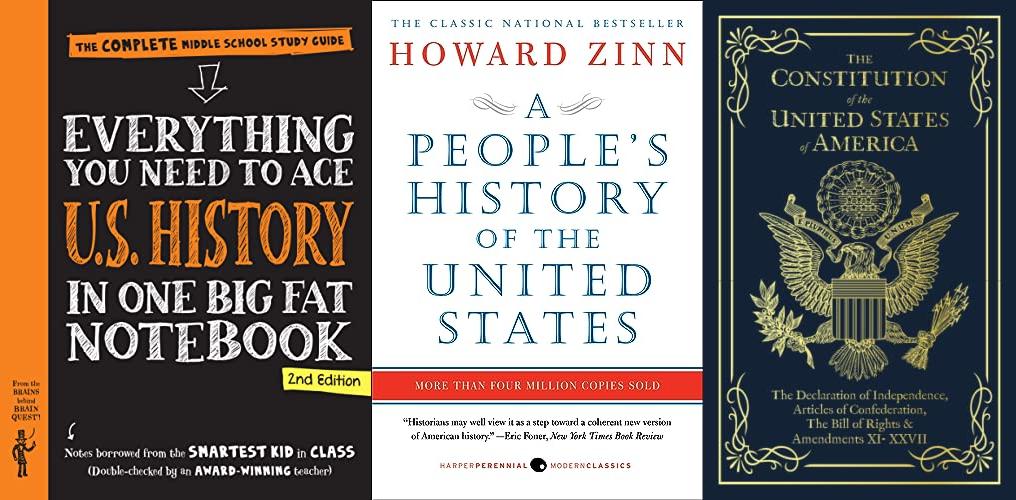
Our Top 5 Us History Books Recommendations at a Glance
Top 5 Us History Books Detailed Reviews
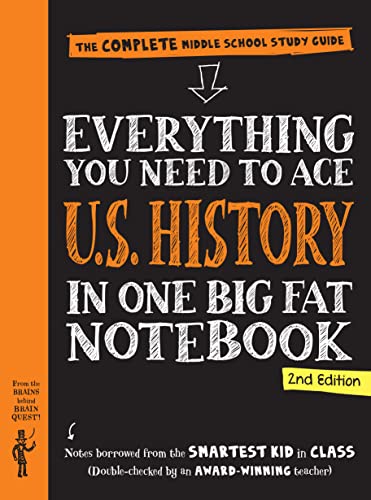
1. Everything You Need to Ace U.S. History in One Big Fat Notebook
Rating: 8.8/10
Navigating the vast landscape of American history can feel daunting, but the “Everything You Need to Ace U.S. History in One Big Fat Notebook, 2nd Edition” transforms this challenge into an engaging adventure. This comprehensive middle school study guide breaks down complex topics into digestible chunks. It uses a fun, accessible format that makes learning enjoyable. Students will find themselves actually looking forward to studying!
What We Like:
- This notebook presents information in a clear, engaging way.
- It covers all the essential U.S. history topics for middle school.
- The visual aids and colorful design grab students’ attention.
- It encourages active learning with summaries and review questions.
- The layout is organized and easy to follow.
- It’s a fantastic resource for students who struggle with traditional textbooks.
What Could Be Improved:
- The notebook could benefit from more in-depth primary source excerpts.
- Additional interactive online resources would enhance its value.
- Some advanced topics might require supplementary materials.
This Big Fat Notebook is an invaluable tool for any middle schooler aiming to master U.S. History. It simplifies concepts and builds confidence, making history accessible and even exciting.
2. A People’s History of the United States

Rating: 9.2/10
Howard Zinn’s *A People’s History of the United States* offers a fresh look at American history. It tells the story of the nation from the perspective of ordinary people, not just leaders. This book challenges traditional narratives and highlights the struggles of marginalized groups. It’s a popular textbook in many college courses. It helps students understand the country’s past in a deeper way.
What We Like:
- It presents history from the viewpoint of workers, women, and minorities.
- The book is written in an engaging and accessible style.
- It encourages critical thinking about historical events.
- Many college professors choose it for their American History classes.
- It covers a vast span of American history, from colonization to modern times.
What Could Be Improved:
- Some readers might find the perspective too critical of traditional American heroes.
- The extensive detail can sometimes feel overwhelming for a quick overview.
- It focuses heavily on conflict and injustice, which might be a lot for some readers.
This book is an essential read for anyone wanting a more complete picture of American history. It truly makes you rethink what you thought you knew.
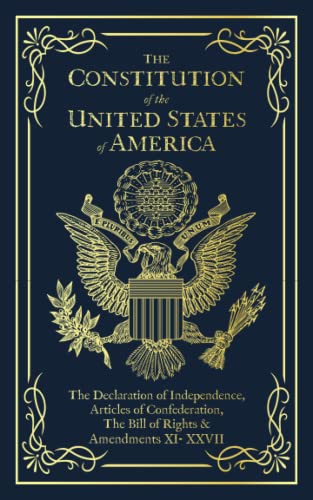
3. The Constitution of the United States of America: The Declaration of Independence
Rating: 8.7/10
The Constitution of the United States of America: The Declaration of Independence, The Bill of Rights is an essential resource for anyone wanting to understand the foundations of American government. This publication brings together three of the most important documents in U.S. history. It allows readers to explore the ideas that shaped the nation and the rights that protect its citizens. It’s a straightforward way to access these vital texts.
What We Like:
- It provides the complete text of the Declaration of Independence, a powerful statement of freedom.
- You get the full U.S. Constitution, which outlines how the government works.
- The Bill of Rights is included, detailing the fundamental rights of every American.
- It’s a great reference tool for students and adults alike.
- The language is clear and accessible, making it easier to understand.
What Could Be Improved:
- More historical context or brief explanations for certain clauses could be helpful for younger readers.
- A glossary of some older terms might make the text even more approachable.
This collection offers a clear and direct path to understanding America’s core documents. It is an invaluable addition to any home or school library.
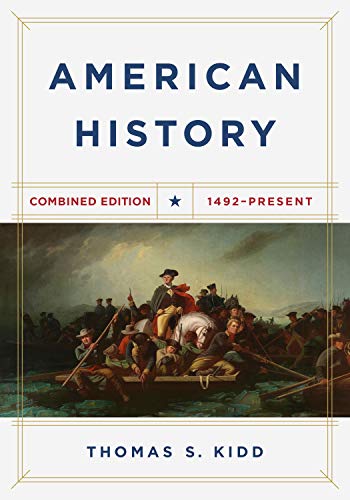
4. American History
Rating: 9.3/10
Explore the rich tapestry of American history with “American History, Combined Edition: 1492 – Present.” This comprehensive resource takes you on a journey from the arrival of European explorers to the events shaping our nation today. It covers major periods, key figures, and significant developments that have defined the United States. Students and history enthusiasts will find a wealth of information within its pages.
What We Like:
- Covers a vast span of American history, from discovery to modern times.
- Presents information in a clear and organized manner, making it easy to follow.
- Provides a solid foundation for understanding American history.
- Offers a comprehensive overview for students and casual readers alike.
What Could Be Improved:
- Lacks specific details or in-depth analysis in certain sections.
- Could benefit from more visual aids like maps and images to enhance engagement.
- The “N/A” feature suggests a lack of specific, standout elements that might differentiate it further.
- May not satisfy advanced learners seeking highly specialized or nuanced historical perspectives.
This edition offers a broad sweep of American history. It serves as a good starting point for those wanting to grasp the major events and trends of the nation’s past.
5. A Patriot’s History of the United States: From Columbus’s Great Discovery to America’s Age of Entitlement

Rating: 9.1/10
A Patriot’s History of the United States: From Columbus’s Great Discovery to America’s Age of Entitlement, Revised Edition offers a unique perspective on American history. It tells the story of the United States from its earliest beginnings to more recent times. This book covers many important events and people. It aims to present a patriotic view of the nation’s past.
What We Like:
- Provides a comprehensive overview of American history.
- Presents a clear and often inspiring narrative.
- Covers a wide range of historical periods and events.
- The revised edition updates information and possibly includes new insights.
What Could Be Improved:
- Some readers might find the perspective too one-sided.
- The book’s interpretation of certain events may be debated.
- More diverse viewpoints could enrich the historical account.
This book is a good starting point for those wanting a particular interpretation of American history. It encourages readers to think about the nation’s journey and its founding principles.
Your Guide to Unearthing American Stories: Choosing the Best US History Books
Understanding the past helps us understand the present. US History books are your gateway to the captivating story of America. Whether you’re a student, a curious learner, or a history buff, picking the right book makes all the difference. This guide will help you find the perfect US History book for your needs.
Key Features to Look For
When you’re browsing for US History books, keep these important features in mind:
- Scope and Coverage: Does the book cover the entire span of US history, from indigenous peoples to modern times? Or does it focus on a specific era, like the Civil War or the Roaring Twenties? Decide what you want to learn about.
- Author’s Expertise: Who wrote the book? Look for historians or authors with a strong background in the subject. Their knowledge helps ensure accuracy and insightful analysis.
- Readability and Tone: History books can be dry or engaging. A good book uses clear language and a compelling narrative. It makes complex events easy to understand.
- Visuals and Maps: Maps help you visualize where events happened. Photographs and illustrations bring the past to life. These elements make learning more enjoyable and effective.
- Primary Sources: Does the book include quotes from people who lived through history? These firsthand accounts offer unique perspectives and add depth to the story.
Important Materials
The physical book itself matters too. Think about:
- Binding: A sturdy binding keeps the book together for years. Hardcovers are usually more durable than paperbacks.
- Paper Quality: Good quality paper prevents ink from bleeding through. It also feels nicer to touch and turn pages.
- Font Size and Layout: Easy-to-read fonts and well-organized pages improve your reading experience. Large, clear text is essential for comfortable study.
Factors That Improve or Reduce Quality
Several things make a US History book great or just okay:
- Accuracy and Research: The most important factor is that the book is historically accurate. Well-researched books rely on solid evidence and cite their sources.
- Balanced Perspective: A high-quality book presents a balanced view of events. It considers different viewpoints and avoids bias. It acknowledges the complexities of history.
- Engaging Narrative: A book that tells a story keeps you hooked. Authors who can weave facts into a compelling narrative make history exciting.
- Outdated Information: History is constantly being re-examined. Books that haven’t been updated might miss new discoveries or interpretations. Look for recent editions when possible.
- Overly Simplistic Explanations: While clarity is good, overly simple explanations can sometimes miss important nuances. A good book strikes a balance between being accessible and thorough.
User Experience and Use Cases
How you plan to use the book affects your choice:
- For Students: If you need a textbook for school, look for books that align with your curriculum. They often include study aids like chapter summaries and review questions.
- For Casual Readers: If you’re reading for pleasure, choose books with a strong narrative and engaging writing style. Biographies or books on specific events can be great choices.
- For Researchers: Those doing in-depth study need books with extensive bibliographies and scholarly analysis. Primary source collections are also valuable.
- For Families: Shared reading experiences can be wonderful. Look for books with clear language and interesting visuals that appeal to different age groups.
Frequently Asked Questions About US History Books
Q1: What is the best US History book for beginners?
A1: For beginners, a comprehensive survey book that covers major eras in a clear and engaging way is ideal. Look for books with good reviews regarding readability and accessibility.
Q2: Should I buy a physical book or an ebook?
A2: Physical books offer a tangible experience, easier for note-taking and browsing. Ebooks are portable and often searchable, making them convenient for travel and quick lookups.
Q3: How do I know if a history book is biased?
A3: Look for books that present multiple perspectives on events. Authors who acknowledge different viewpoints and use evidence to support their claims are generally less biased.
Q4: Are older history books still relevant?
A4: Yes, older books can offer valuable insights and historical context. However, it’s important to be aware that historical understanding evolves, and newer research might offer different interpretations.
Q5: What’s the difference between a textbook and a narrative history book?
A5: Textbooks are designed for structured learning, often with study aids. Narrative history books focus on telling the story of the past in a more engaging, flowing style.
Q6: How important are maps and illustrations in a history book?
A6: Maps and illustrations are very important. They help you understand the geography of events and visualize what historical periods looked like, making the learning process more dynamic.
Q7: Should I look for books that focus on specific people or events?
A7: It depends on your interest. Books on specific people (biographies) or events can offer deep dives, while broader surveys provide a foundational understanding of the entire timeline.
Q8: How can I check the credibility of a history book’s author?
A8: Research the author online. Look for their academic background, other published works, and any affiliations with reputable historical institutions.
Q9: What if a book uses difficult vocabulary?
A9: Many books provide glossaries or definitions for challenging terms. You can also use a dictionary or online resources to look up words as you read.
Q10: Can US History books help me understand current events?
A10: Absolutely! Understanding the historical roots of current issues provides crucial context and helps you make more informed judgments about today’s world.
In conclusion, every product has unique features and benefits. We hope this review helps you decide if it meets your needs. An informed choice ensures the best experience.
If you have any questions or feedback, please share them in the comments. Your input helps everyone. Thank you for reading.