
Imagine this: You’ve just finished a killer podcast episode, recorded a song that’s pure magic, or nailed that important online meeting. But when you listen back, your voice sounds muffled, distant, or full of annoying background noise. Frustrating, right?
Choosing a USB microphone can feel like navigating a maze. There are so many brands, features, and price points! It’s tough to know which one will actually make you sound great without costing a fortune. You want clear audio for your projects, but where do you even begin?
Don’t worry! This post is here to help. We’ll break down what makes a good USB microphone and guide you through the process. By the end, you’ll understand the key things to look for, so you can pick a microphone that fits your needs and budget. Get ready to boost your audio game!
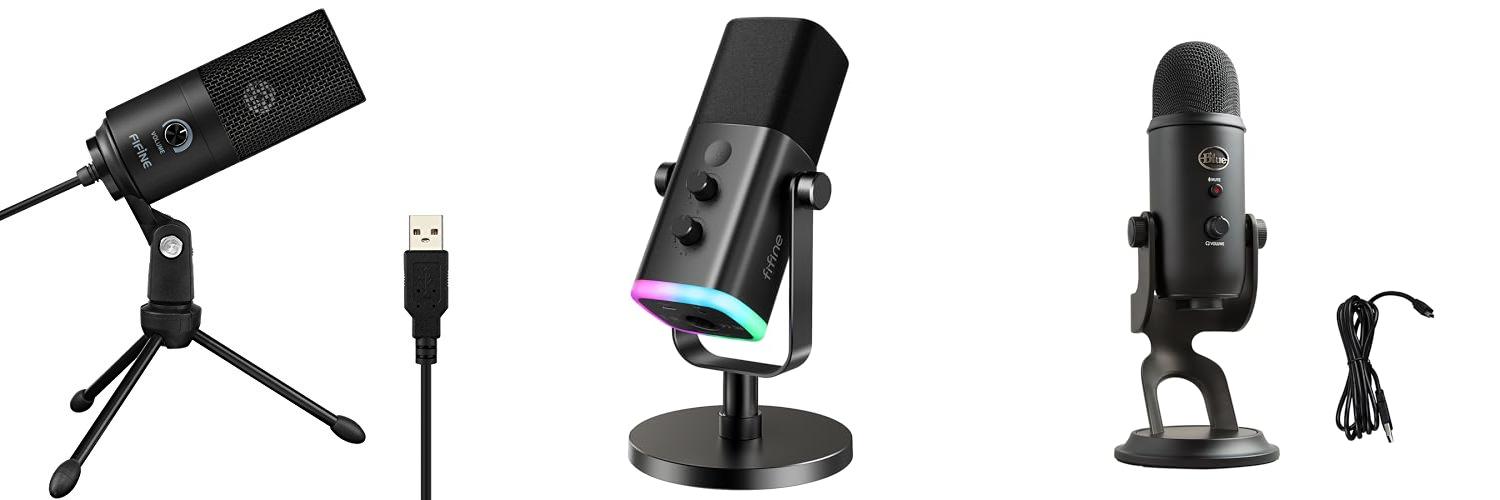
Our Top 5 Usb Microphone Recommendations at a Glance
Top 5 Usb Microphone Detailed Reviews
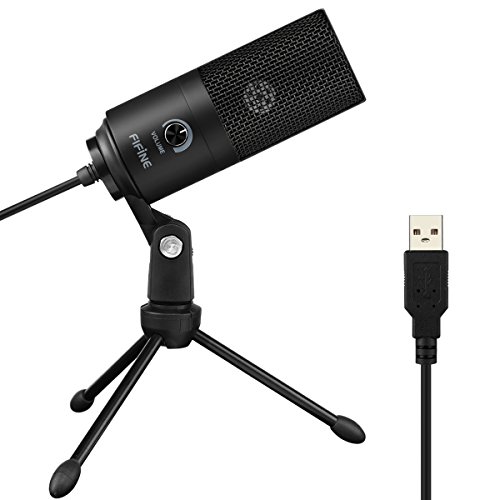
1. FIFINE USB Microphone
Rating: 9.2/10
Looking for a versatile microphone that makes your voice sound great for everything from online meetings to YouTube videos? The FIFINE USB Microphone, model K669B, is a solid choice. This metal condenser mic is designed for easy use with both Mac and Windows computers, making it a convenient tool for creators and professionals alike.
What We Like:
- It’s super easy to set up. Just plug it into your computer’s USB port, and you’re ready to go. No complicated software needed!
- The microphone is built with sturdy metal, so it feels durable and will last a long time.
- It comes with a handy tripod stand, which keeps the mic stable on your desk.
- You can easily adjust the microphone’s volume with a knob right on the mic itself. This helps you get the perfect sound level.
- It works with many popular apps like Discord, OBS, and Zoom, so it’s great for gaming, streaming, or talking with friends.
- The cardioid pickup pattern focuses on your voice and cuts out background noise, giving you clear and crisp sound.
- It doesn’t need extra power supplies, making it simple to use.
What Could Be Improved:
- This microphone is not compatible with Xbox or phones.
- If your Macbook only has USB-C ports, you’ll need to buy an adapter separately.
- For some applications like Zoom, you might need to turn off an automatic volume adjustment setting to prevent your recording volume from changing unexpectedly.
Overall, the FIFINE K669B is a user-friendly and reliable microphone that delivers good sound quality for many different uses. It’s a great option for anyone needing an affordable and effective upgrade for their computer audio.
2. FIFINE USB/XLR Dynamic Microphone for Podcast Recording

Rating: 9.3/10
The FIFINE AmpliGame AM8 is a versatile microphone designed for gamers, podcasters, and content creators. It offers both USB and XLR connections, giving you flexibility for different setups. With its built-in RGB lighting and handy features, it aims to enhance your streaming and recording experience.
What We Like:
- It captures clear, natural audio with its cardioid pickup pattern, reducing background noise.
- The XLR connection allows for future upgrades to your studio setup.
- The USB connection offers a simple plug-and-play experience for beginners.
- It has a convenient tap-to-mute button with an LED indicator for privacy during live streams.
- The controllable RGB lighting adds a cool visual element to your gaming station.
- A headphone jack lets you monitor your audio in real-time.
- The microphone gain knob makes it easy to adjust your sound levels.
- It fits most microphone stands and comes with a windscreen to reduce humming.
What Could Be Improved:
- The XLR cable is not included, which is an additional purchase.
- Some advanced features like RGB lighting and the mute button are only available with the USB connection.
This microphone is a solid choice for anyone looking to improve their audio quality for streaming or recording. It balances ease of use with professional features to help your voice shine.
3. Logitech for Creators Blue Microphones Yeti USB Microphone (Blackout)

Rating: 9.5/10
The Logitech for Creators Blue Microphones Yeti USB Microphone (Blackout) is a versatile tool for anyone looking to capture high-quality audio. Its sleek black design looks great on any desk, and its user-friendly features make it accessible for beginners and experienced creators alike.
What We Like:
- You have full control over your sound with easy-to-use studio controls for volume, mic gain, and muting.
- It works great for almost anything, from singing and playing instruments to making podcasts, doing voiceovers, interviewing people, gaming, recording outside, and even for conference calls.
- You can hear yourself as you record with no delay thanks to the built-in headphone jack, so your audio sounds just right.
- It’s easy to take with you because it folds down nicely, or you can take it off its stand to put it on a different mic stand.
- It works with both Mac and PC computers, so most people can use it right away.
What Could Be Improved:
- While the controls are great, some users might find the initial setup or understanding of the different recording patterns a little tricky at first.
- For professional studios, some might want even more advanced features or a more robust build, although it’s very good for most home users.
This Yeti microphone is an excellent choice for anyone wanting to improve their audio quality for various projects. It offers a fantastic balance of features, performance, and ease of use.
4. USB Microphone for PC Gaming: Condenser Microphone RGB for Gamer with Stand Mic – Recording Mic for Computer&Laptop with Qiuck Mute – Desk Podcast Mic for Podcast & Singing & Streaming & Youtube Black

Rating: 8.5/10
Level up your audio game with this versatile USB microphone designed for gamers, streamers, podcasters, and creators. This black condenser microphone brings professional sound quality to your computer or laptop, all while adding a splash of color with its customizable RGB lighting. It’s built for ease of use, making it a fantastic tool for both beginners and experienced users.
What We Like:
- Crystal-clear sound with a one-touch noise reduction button.
- Real-time voice monitoring with zero latency for perfect audio.
- Three adjustable reverb modes to fit different needs.
- Ten vibrant RGB lighting effects to personalize your setup.
- Quick and easy one-tap mute function with an LED indicator.
- Intuitive volume knob for precise audio control.
- Plug and play simplicity – no drivers needed.
- Wide compatibility with Windows, Mac, PS4, PS5, and Android phones.
- Includes essential accessories like a pop filter and OTG adapter.
- Sturdy stand and build, making it an ideal gift.
What Could Be Improved:
- Not compatible with Xbox consoles.
This microphone kit is a fantastic, affordable option for anyone looking to improve their audio for streaming, gaming, or creating content. It offers great features and ease of use, making it a solid choice for your setup.
5. USB Microphone for Laptop and Desktop Computer

Rating: 8.6/10
Tired of muffled calls and noisy background chatter during important online meetings or classes? This tiny USB microphone is here to save the day! It’s designed to give you super clear sound, making sure everyone hears you perfectly, even from a few feet away. Plus, it’s so small you can toss it in your pocket and take it anywhere.
What We Like:
- Crystal Clear Sound: Its high-sensitivity condenser mic picks up your voice clearly, and the advanced tech cancels out background noise. You can even be 10 feet away and still sound great!
- Super Easy to Use: Just plug it into your computer’s USB port – no complicated setup or extra software needed. It works right away with most computers and popular meeting apps like Zoom and Google Meet.
- Tiny and Portable: It’s as small as a flash drive, so it’s super easy to carry around. It won’t clutter your desk, keeping your workspace neat and tidy.
- Great for Everyday Use: It’s a fantastic upgrade from your laptop’s built-in microphone. It’s perfect for working from home, online learning, or even live streaming.
- Nice Packaging and Warranty: It comes in a sturdy metal case, which is great for keeping it safe. You also get a 12-month warranty for peace of mind.
What Could Be Improved:
- Not for Professional Recording: While it’s great for everyday calls, it’s not designed for professional music or voice recording.
This little microphone is a fantastic, hassle-free solution for better communication. It’s a simple way to improve your online presence for work or study.
Choosing the Right USB Microphone: Your Guide to Better Sound
Are you looking to upgrade your audio for podcasts, streaming, gaming, or just clearer calls? A USB microphone is a fantastic starting point. It’s easy to use and can make a big difference. This guide will help you pick the best one for your needs.
What to Look For: Key Features
When you’re shopping for a USB microphone, keep these important features in mind:
- Polar Patterns: This tells you how the microphone picks up sound.
- Sampling Rate and Bit Depth: These numbers affect how clear and detailed your recordings sound. Higher numbers mean better quality.
- Headphone Jack: A direct headphone jack lets you hear yourself as you record, without any delay. This is super helpful!
- Volume Controls: Easy-to-access buttons or dials let you adjust your microphone’s volume quickly.
- Build Quality: A sturdy microphone feels good and lasts longer.
Understanding Materials
The materials used in a USB microphone affect its sound and how long it lasts.
Diaphragm Material:
The diaphragm is a thin material that vibrates when sound waves hit it. Most good USB microphones use a metal diaphragm, often made of gold-sputtered Mylar. This material is sensitive and captures sound well.
Microphone Body:
The microphone’s body is usually made of metal or strong plastic. Metal bodies often feel more premium and can help reduce unwanted vibrations. Plastic bodies are lighter and can make the microphone more affordable.
What Makes a Difference: Quality Factors
Several things can make your USB microphone sound amazing or just okay.
Microphone Capsule:
This is the heart of the microphone. A larger capsule generally captures more detail and nuance in your voice. Good capsules are designed to be sensitive and accurate.
Shock Mount:
A shock mount is a cradle that holds the microphone. It helps to isolate the microphone from desk vibrations or bumps. This prevents those rumbly noises from getting into your recording.
Pop Filter:
A pop filter is a screen that goes in front of the microphone. It stops sharp “p” and “b” sounds (called plosives) from creating loud pops in your audio. Some microphones come with one, or you can buy one separately.
Connectivity:
A stable USB connection is key. Most microphones use USB-A, but some newer ones might use USB-C. Make sure it’s compatible with your computer.
Your Experience: Use Cases
Who uses USB microphones and why? Lots of people!
Podcasting:
Podcasters use USB microphones to get clear, professional-sounding voice recordings. They can easily plug in and start talking.
Streaming:
Gamers and streamers rely on USB microphones to communicate with their audience. They need a microphone that captures their voice clearly over game sounds.
Voiceovers:
People who do voiceovers for videos or audiobooks need a microphone that captures every word with great clarity. USB microphones offer a simple way to achieve this.
Video Calls:
For work meetings or catching up with friends, a USB microphone makes your voice sound much better than your laptop’s built-in microphone. Everyone will hear you better.
Home Recording:
Musicians and creators might use USB microphones for recording demos or simple musical ideas. They offer a quick and easy way to capture audio.
USB Microphone FAQ
Q: What is the most important feature to look for in a USB microphone?
A: The most important feature depends on what you’ll use it for. For clear voice recording, the microphone’s capsule quality and polar pattern are very important. For monitoring your audio while recording, a headphone jack is crucial.
Q: Do I need special software to use a USB microphone?
A: Usually, no! Most USB microphones are plug-and-play. Your computer will recognize them automatically, and you can select them in your recording or communication apps. Some microphones come with optional software for more advanced settings.
Q: What does “polar pattern” mean?
A: A polar pattern describes where the microphone picks up sound from. The most common ones are cardioid (picks up sound from the front), omnidirectional (picks up sound from all directions), and bidirectional (picks up sound from the front and back).
Q: How do I choose the right polar pattern?
A: If you want to focus on your voice and block out background noise, choose a cardioid pattern. If you’re recording a group of people in a room or want to capture ambient sound, omnidirectional might be better. Bidirectional is good for interviews with two people facing each other.
Q: What is a “shock mount” and why do I need it?
A: A shock mount is a special holder that suspends the microphone. It absorbs vibrations from your desk or stand, which stops those annoying thudding noises from getting into your recordings. It helps keep your audio clean.
Q: Can I use a USB microphone for singing?
A: Yes, many USB microphones work well for singing, especially for demos or online content. For professional studio recordings, dedicated XLR microphones might offer more flexibility, but good USB mics can definitely get you started.
Q: How do I connect a USB microphone to my computer?
A: You simply plug the USB cable that came with the microphone into a USB port on your computer. Your computer will then usually install the necessary drivers automatically. You might need to select the microphone as your input device in your computer’s sound settings or in the app you are using.
Q: What’s the difference between a condenser and a dynamic USB microphone?
A: Condenser microphones are generally more sensitive and capture more detail, making them great for vocals and instruments in quiet environments. Dynamic microphones are more robust and better at handling loud sounds, making them good for live vocals or noisy situations.
Q: Will a USB microphone improve my video calls?
A: Absolutely! A USB microphone will make your voice sound much clearer and more professional than your laptop’s built-in microphone. This makes it easier for others to hear and understand you during calls.
Q: How important is the sampling rate and bit depth?
A: Sampling rate and bit depth determine the quality and detail of your digital audio. A higher sampling rate (like 48kHz or 96kHz) and bit depth (like 16-bit or 24-bit) mean your recording will have more accurate sound reproduction and a wider dynamic range, sounding closer to the original source.
In conclusion, every product has unique features and benefits. We hope this review helps you decide if it meets your needs. An informed choice ensures the best experience.
If you have any questions or feedback, please share them in the comments. Your input helps everyone. Thank you for reading.