
Ever wondered how your favorite singers create those amazing sounds? Maybe you’ve heard a voice that sounds super cool and want to know how they did it. That magic often comes from vocal effects! They can make a voice sound bigger, clearer, or even totally different.
But picking the right vocal effects can feel like a puzzle. There are so many choices, and it’s tough to know where to start. You might worry about spending money on something that doesn’t sound good or making your voice sound weird instead of wonderful. We get it – it can be confusing!
This post is here to help. We’ll break down what vocal effects are and how they work. You’ll learn how to choose the ones that best fit your voice and what you want to achieve. By the end, you’ll feel more confident about using these tools to make your vocals shine.
Our Top 5 Vocal Effects Recommendations at a Glance
Top 5 Vocal Effects Detailed Reviews
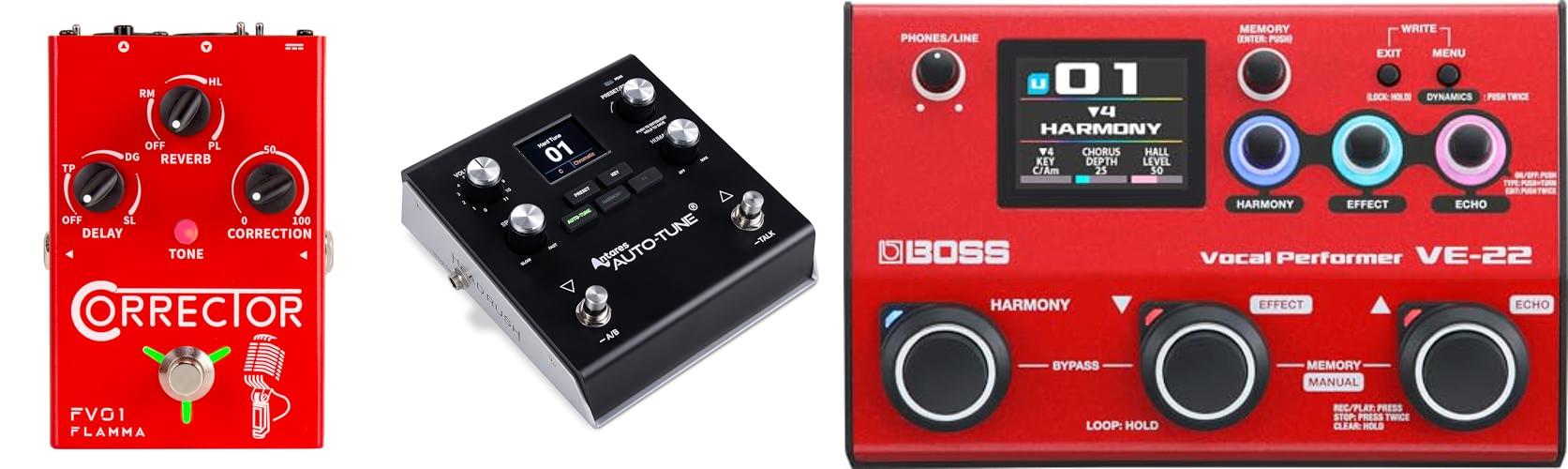
1. FLAMMA FV01 Vocal Effects Processor Pitch Correction Voice Pedal Vocal Stompbox Microphone Amplifier for Singer Live Singing Streaming Recording with Delay Reverb Acoustic Guitar Playing

Rating: 9.0/10
The FLAMMA FV01 is a cool gadget for singers. It helps make your voice sound better when you sing live, stream, or record. It’s a pedal, like what guitarists use, but for your voice. You can plug in your microphone and even your acoustic guitar. It has effects like delay and reverb to add some sparkle to your sound. It also has pitch correction, which is like an auto-tune for your singing. This can help you hit those notes perfectly. It’s designed for singers, streamers, and anyone who wants to sound their best.
What We Like:
- It helps singers sound their best with pitch correction.
- Adds cool sounds with built-in delay and reverb effects.
- It can be used for live singing, streaming, and recording.
- It also works with acoustic guitars, making it versatile.
- It’s a compact stompbox, so it’s easy to carry around.
What Could Be Improved:
- The user manual could be clearer for beginners.
- More advanced control over individual effects might be desired by some.
- The power adapter is not included in the box.
The FLAMMA FV01 is a solid tool for anyone looking to enhance their vocal performances. It offers a great way to experiment with sounds and improve your singing.
2. HeadRush VX5 Vocal Effects Pedal with Antares AutoTune for Vocalists with Real Time Pitch Correction

Rating: 8.8/10
The HeadRush VX5 Vocal Effects Pedal is a powerful tool for singers. It brings studio-quality sound and effects right to your feet. You can use it for live shows or in your home studio. It helps you sound your best with easy-to-use features.
What We Like:
- It offers everything from gentle pitch fixing to the famous Antares Auto-Tune sound.
- You can adjust effects like reverb, delay, and chorus easily.
- It has a cool harmonizer that creates backup vocals for you.
- The pedal works as a USB audio interface, so you can record your voice directly.
- It has a clear color screen and simple menus for programming.
- You can control it with your feet, which is great for performing.
- It includes a microphone preamp with phantom power.
- It has a ground lift switch to stop annoying noise.
What Could Be Improved:
- While intuitive, learning all the features might take a little time for absolute beginners.
The HeadRush VX5 is a versatile pedal that gives vocalists lots of creative options. It’s a great addition for anyone looking to enhance their vocal performance.
3. BOSS VE-22 Vocal Performer

Rating: 8.6/10
Singers, get ready to transform your voice with the BOSS VE-22 Vocal Performer! This amazing device is like a portable toolbox packed with awesome sound effects. It helps you sound your best whether you’re on stage, recording your next hit, or sharing your voice online. You can make your voice sound clearer, add cool echoes, or even make it sound totally different with fun, wild effects.
What We Like:
- It offers a huge variety of high-quality BOSS effects for your voice.
- You can easily add studio-quality polish with effects like compressor, EQ, delay, and reverb.
- Get creative with fun sounds like lo-fi, distortion, and radio effects.
- Automatic pitch correction helps you stay in tune, from subtle fixes to dramatic electronic sounds.
- It’s super versatile, perfect for live shows, recording sessions, and livestreams.
- The harmony and doubling features let you create rich, layered vocals effortlessly.
What Could Be Improved:
- While powerful, the sheer number of options might take a little time to master fully for beginners.
- More detailed explanations of each effect’s nuances could be helpful for advanced users.
The BOSS VE-22 Vocal Performer truly empowers singers to explore their vocal potential. It’s an indispensable tool for anyone serious about their sound.
4. CLYOR Voice37- All Natural Voice Remedy for Singers – Boosts Your Voice – Soothes and Relieve Hoarseness – Lubricates Vocal Cords – Removes Mucus – Enhances Your Singing and Speaking – 2 oz

Rating: 8.6/10
Singers, rejoice! CLYOR Voice37 is an all-natural voice remedy designed to help you sound your best. This 2 oz bottle promises to boost your voice, soothe hoarseness, lubricate vocal cords, and clear mucus. It’s made with your singing and speaking needs in mind, aiming to enhance your performance naturally.
What We Like:
- Nature in a Bottle: It uses all-organic herbs that are good for your voice. There are no harsh chemicals like alcohol, preservatives, parabens, or artificial flavors.
- Singer-Approved Formula: Created by a singer, it understands how delicate vocal cords are. It aims to remove problems without hurting your voice.
- Proactive Protection: You can use it before big performances or recording sessions to ensure your voice is in top shape.
- Pleasant Taste: Reviewers say it has a nice, honey-like flavor, making it easy to take before you sing.
- Customer Support: The manufacturer offers help if the product doesn’t work for you and promises to make things right.
What Could Be Improved:
- Effectiveness Variation: While many find it helpful, individual results may vary as with any natural remedy.
CLYOR Voice37 offers a natural approach to vocal care for singers. It’s a great tool to keep in your arsenal for maintaining a healthy and strong voice.
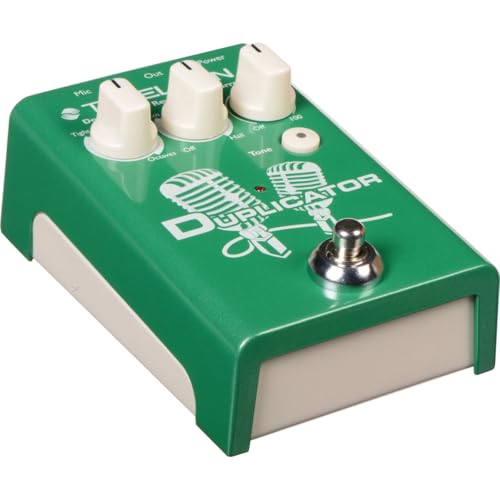
5. TC Helicon DUPLICATOR Ultra-Simple Vocal Effects Stompbox with Doubling
Rating: 8.8/10
The TC Helicon DUPLICATOR is a cool little pedal that makes your voice sound amazing. It’s super easy to use, even if you’re new to music gear. You can make your voice sound bigger with doubling, add a nice echo with reverb, and even help yourself sing in tune with pitch correction. This stompbox lets you have awesome studio-quality sound anywhere you play your music.
What We Like:
- It gives you three different doubling sounds: tight, loose, and octave up or down.
- The reverb sounds really nice and fits your voice perfectly.
- It automatically corrects your pitch, so you can sing in tune easily.
- The adaptive tone feature makes your voice sound better with EQ, compression, and de-essing.
- It’s very simple to use, which is great for live performances.
What Could Be Improved:
- It doesn’t have a lot of extra features beyond the main ones.
- Some users might want more advanced control over the effects.
The TC Helicon DUPLICATOR is a fantastic tool for any singer who wants to sound their best on stage. It’s a simple way to get professional-sounding vocals.
Choosing the Right Vocal Effects: Your Voice, Amplified!
Want to make your voice sound amazing? Vocal effects can do just that! They can change how your voice sounds, making it deeper, higher, or even like a robot. This guide will help you pick the perfect vocal effects for you.
Key Features to Look For
1. Types of Effects
- Reverb: This makes your voice sound like it’s in a big room or hall. It adds space and depth.
- Delay (Echo): This repeats your voice, creating an echo effect. You can control how many repeats and how fast they happen.
- Pitch Shifting: This changes the highness or lowness of your voice. You can make it sound like a cartoon character or a deep monster.
- Chorus: This makes your voice sound thicker and wider, like many voices singing together.
- Distortion/Overdrive: This adds grit and fuzz to your voice, making it sound powerful and rock-like.
- Harmony: Some effects can create extra vocal lines that sing with you, adding harmonies.
2. Controls and Customization
Good vocal effects let you tweak things. Look for knobs or sliders that control things like the strength of the effect, how long it lasts, or how many echoes you get. This lets you get the exact sound you want.
3. Ease of Use
Are you new to vocal effects? Some are simple to use, with just a few buttons. Others have lots of options, which are great if you want to experiment a lot.
4. Connectivity
How will you connect your vocal effects? Some plug into your microphone, while others connect to your computer or a sound system. Make sure it works with your setup.
Important Materials
Most vocal effects pedals and units are made of strong metal or tough plastic. This helps them last a long time, especially if you plan to use them on stage. Internal parts are usually electronic components. Good quality components mean better sound and reliability.
Factors That Improve or Reduce Quality
Quality Boosters:
- Good Sound Quality: The best effects sound clear and don’t add unwanted noise.
- Durable Build: Sturdy casing protects the electronics inside.
- Intuitive Controls: Easy-to-understand settings make it simple to get great sounds.
- Variety of Effects: More options mean more creative possibilities.
Quality Reducers:
- Noisy Sound: Some cheap effects can add a buzzing or humming sound.
- Flimsy Construction: Plastic casings can break easily.
- Confusing Controls: Too many buttons or unclear labels can be frustrating.
- Limited Options: If an effect only does one thing, it might not be worth it.
User Experience and Use Cases
Vocal effects are super fun and useful for many people.
Who Uses Vocal Effects?
- Singers: To add polish, emotion, or a unique sound to their voice during live performances or recordings.
- Podcasters: To make their voices sound clearer, more engaging, or to add special sound effects.
- Streamers: To add personality and fun to their voice during online broadcasts.
- Musicians: To experiment with new sounds for their songs.
- Anyone who loves to sing or talk! You can use them for karaoke, voiceovers, or just for fun at home.
Common Use Cases:
- Making a voice sound bigger and more powerful in a song.
- Creating a cool echo for a spooky or atmospheric effect.
- Sounding like a robot for a fun, electronic feel.
- Adding a smooth, polished sound to a podcast.
- Experimenting with different vocal textures for creative projects.
No matter your skill level, vocal effects can help you explore your voice and have a blast!
Frequently Asked Questions (FAQ) About Vocal Effects
Q: What are the main Key Features I should look for in vocal effects?
A: You should look for the types of effects offered (like reverb, delay, pitch shifting), how easy it is to control and customize those effects, how simple the unit is to use, and how it connects to your other gear.
Q: Are there specific materials that make vocal effects better?
A: Yes, sturdy metal or tough plastic casings help protect the electronics inside. High-quality electronic components also contribute to better sound and make the unit last longer.
Q: What makes the quality of vocal effects go up or down?
A: Quality goes up with clear sound, strong construction, easy controls, and lots of effect options. Quality goes down with noisy sound, weak build, confusing controls, and very few options.
Q: Who typically uses vocal effects, and what for?
A: Singers, podcasters, streamers, and musicians use vocal effects. They use them to make their voice sound better for singing, talking, recording, or performing. They can also be used for fun and creative projects.
Q: Is it hard to use vocal effects if I’m a beginner?
A: Some vocal effects are made for beginners and are very easy to use with just a few buttons. Others have more options, which might take a little more practice but offer more control.
Q: Can vocal effects change my voice to sound like someone else?
A: Some effects, like pitch shifting and harmony, can help change your voice’s pitch and add extra vocal lines, which can make it sound different, but it won’t perfectly copy another person’s voice.
Q: Do I need a computer to use vocal effects?
A: Not always. Some vocal effects are standalone units that plug directly into your microphone or sound system. Others are software that you use with a computer.
Q: What’s the difference between reverb and delay?
A: Reverb makes your voice sound like it’s in a big space, like a hall. Delay repeats your voice, creating an echo effect that you can hear multiple times.
Q: Can I use vocal effects for my podcast?
A: Absolutely! Vocal effects can make your podcast voice sound clearer, more interesting, or add cool sound effects to make your show stand out.
Q: Where can I buy good vocal effects?
A: You can find vocal effects at music stores, electronics stores, and online retailers. Reading reviews can help you find the best ones for your needs.
In conclusion, every product has unique features and benefits. We hope this review helps you decide if it meets your needs. An informed choice ensures the best experience.
If you have any questions or feedback, please share them in the comments. Your input helps everyone. Thank you for reading.