
Image Source: www.yourrepair.co.uk
Why Does My Kitchen Drain Smell? Causes Revealed
A persistent, unpleasant odor emanating from your kitchen drain is a common and frustrating household problem. So, why does my kitchen drain smell? The most frequent culprits behind a stinky sink are trapped food debris and grease buildup within the pipes, which create a breeding ground for bacteria. Other common causes include problems with the P-trap, issues with your garbage disposal, or even a deeper problem involving sewer gas.
The Unseen Culprits: Deciphering Drain Odors
That foul smell wafting from your kitchen sink isn’t just an annoyance; it’s a sign that something is amiss within your kitchen plumbing. This sink odor can range from a faint, musty scent to a powerfully offensive, rotten smell. While it might seem like a minor inconvenience, ignoring these smells can lead to more significant plumbing issues down the line, impacting not just your kitchen but potentially other areas of your home, such as your bathroom plumbing.
Food Scraps: The Primary Offenders
Your kitchen sink is the gateway for more than just water. Every time you wash dishes, rinse vegetables, or pour out leftovers, small particles of food and grease can cling to the inside of your pipes. Over time, these particles accumulate, forming a sticky, slimy layer. This organic matter then begins to decompose, fueled by the warmth and moisture in your pipes. This decomposition process is what releases the foul-smelling gases that we detect as an unpleasant odor.
Common food culprits include:
- Grease and Oil: These are particularly problematic. When hot, they flow freely down the drain. However, as they cool, they solidify and coat the pipes, trapping other debris. This is similar to how grease can build up in your gutters, creating a gutter stench that can be quite noticeable.
- Coffee Grounds: While often thought of as benign, coffee grounds are abrasive and can contribute to clogs, trapping food particles.
- Eggshells: These can break down into a gritty paste that adheres to pipe walls.
- Starchy Foods: Pasta, rice, and potato peels can swell with water and create sticky masses that are difficult to dislodge.
- Fibrous Vegetables: Celery, asparagus, and corn husks can get tangled and form blockages.
When these items combine with soap scum and other waste, they create a perfect environment for bacteria and mold to thrive, producing that characteristic stinky sink aroma.
The P-Trap: Your First Line of Defense
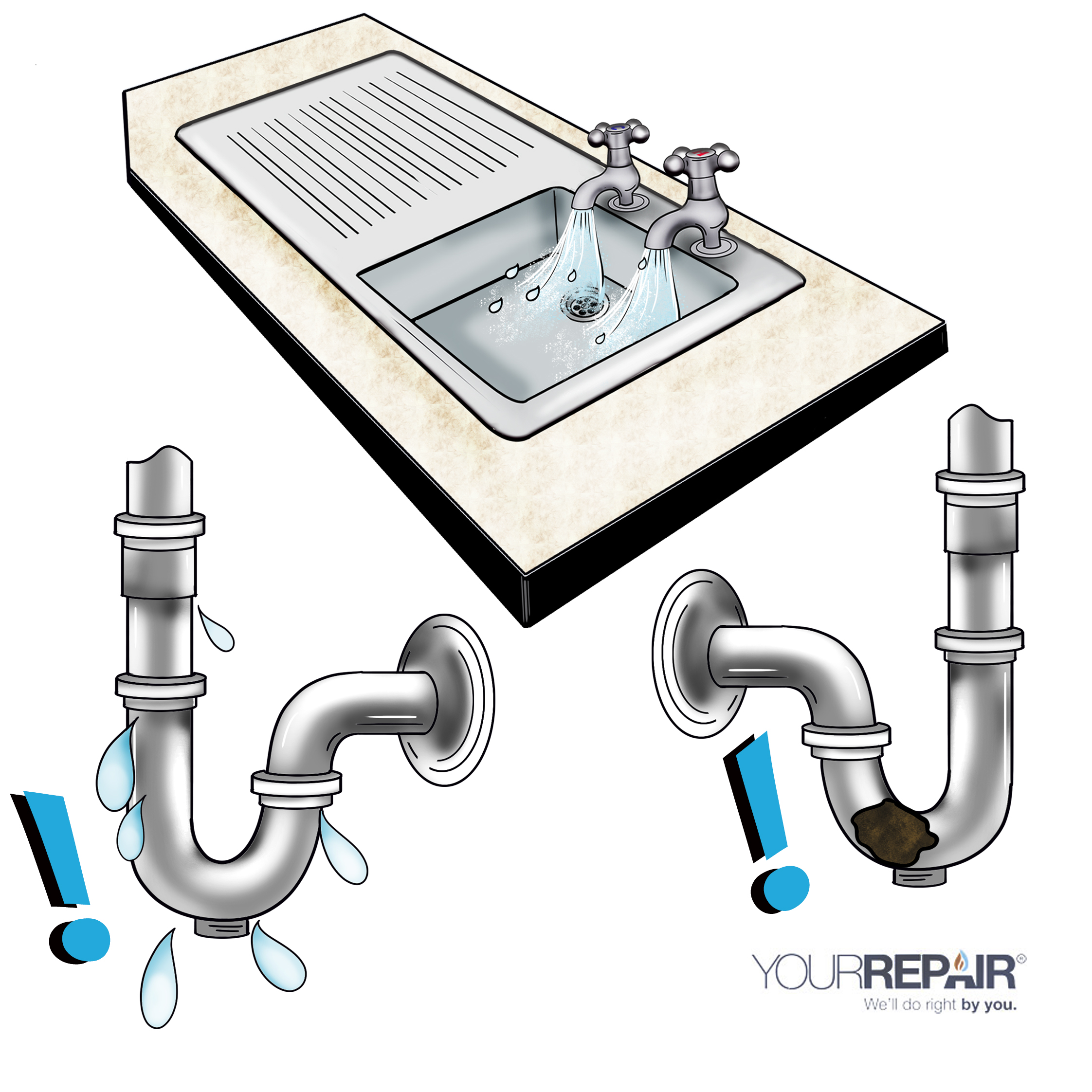
The U-shaped pipe beneath your sink, known as the P-trap, is a crucial component of your kitchen plumbing. Its primary function is to hold a small amount of water, creating a seal that prevents unpleasant gases from backing up into your home. This water acts as a barrier against sewer gas, which can be noxious and carry harmful bacteria.
Common P-trap issues contributing to smells include:
- Dry P-trap: If a sink is infrequently used, the water in the P-trap can evaporate, breaking the seal and allowing sewer gases to escape. This is more common in guest bathrooms or seldom-used sinks.
- Improper Installation: A P-trap that isn’t installed correctly, with a slight slope, might not retain enough water to form an adequate seal.
- Cracks or Leaks: Physical damage to the P-trap can cause the water to drain out, compromising its ability to block gases.
- Blockages within the P-trap: Even the P-trap itself can become clogged with debris, leading to stagnant water and the release of foul odors. This is a prime example of a P-trap issue.
If you suspect a P-trap issue, a simple test is to pour a gallon of water down the drain. If the smell dissipates for a while, it indicates that the water seal was the problem. If the smell persists, the issue lies elsewhere.
Garbage Disposal Woes: A Common Source of Odor
If your kitchen is equipped with a garbage disposal unit, it can often be a significant source of unpleasant smells. While convenient, these units can sometimes harbor food particles and moisture, creating an ideal environment for bacterial growth. The garbage disposal smell is a particularly common complaint.
Reasons for garbage disposal odors:
- Trapped Food Debris: Even with regular use, small pieces of food can get lodged in the disposal’s grinding components and under the rubber splash guard. These particles will decompose and produce odors.
- Grease Buildup: Grease can coat the interior of the disposal, trapping other food particles and contributing to odor.
- Lack of Proper Cleaning: Many people use their garbage disposal without regularly cleaning it. This allows slime and food waste to accumulate.
- Not Running Enough Water: Grinding food in the disposal requires a steady stream of cold water to flush debris away. Insufficient water can leave waste behind.
A tell-tale sign of a garbage disposal smell is often a slightly metallic or rotting odor that seems to emanate directly from the disposal opening itself.
Beyond the Sink: Deeper Plumbing Problems
While most kitchen drain smells originate from the sink or disposal, sometimes the odor can be a symptom of a more serious issue within your home’s main pipe smell or sewer line.
When to consider deeper plumbing problems:
- Multiple Drains Smelling: If you notice a similar odor in other drains throughout your house, including in the bathroom plumbing, it suggests a problem further down the line, potentially with your main sewer line.
- Gurgling Sounds: Gurgling noises from drains can indicate a blockage or a venting issue. Improper venting allows sewer gas to enter your home through the drains.
- Slow Drains: Consistently slow drains in multiple areas can point to a partial or complete blockage in the main sewer line.
These deeper issues often require professional attention from a plumber.
Diagnosing and Eliminating Kitchen Drain Smells
Now that we’ve explored the potential causes, let’s delve into practical solutions for tackling that persistent sink odor.
Simple Fixes for Minor Odors
For minor smells, often caused by light buildup, several DIY methods can be effective.
Natural Cleaning Solutions:
- Baking Soda and Vinegar: This classic combination is excellent for deodorizing and gently cleaning pipes.
- Pour about ½ cup of baking soda down the drain.
- Follow with 1 cup of white vinegar.
- Let it fizz for about 15-30 minutes.
- Flush with hot water.
- Boiling Water: A simple flush with boiling water can help melt away grease and dislodge minor blockages. Be cautious if you have PVC pipes, as excessive heat can damage them. A good rule of thumb is to let the water cool slightly.
- Lemon or Orange Peels: The citrus oils in these peels can help break down grease and leave a pleasant scent. Run them through the garbage disposal or boil them in water and pour the scented water down the drain.
Tackling Garbage Disposal Smells
If the smell is directly from your garbage disposal, these steps can help:
- Run Cold Water: Always run cold water while using the disposal and for about 30 seconds afterward. This helps flush food particles and grease.
- Ice Cubes: Grinding a tray of ice cubes can help dislodge debris from the disposal blades and chamber.
- Citrus: As mentioned earlier, grinding citrus peels is a great way to clean and deodorize.
- Specialized Garbage Disposal Cleaners: You can purchase commercial drain cleaner products specifically designed for garbage disposals. Follow the product instructions carefully.
Addressing P-Trap Issues
If you suspect a P-trap issue, here’s what you can do:
- Regularly Run Water: If the P-trap is drying out due to infrequent use, make it a habit to run water down the sink for a minute or two each week.
- Clean the P-trap: For more persistent odors from the P-trap itself, you might need to clean it. Place a bucket underneath, unscrew the P-trap, empty the contents, clean it with a brush and degreaser, and then reassemble it. Ensure the seals are tight.
When to Use Drain Cleaner
Commercial drain cleaner products can be effective for clearing clogs and odors, but they should be used with caution.
Guidelines for using drain cleaner:
- Read Labels Carefully: Always follow the manufacturer’s instructions precisely.
- Use Sparingly: Overuse can damage pipes, especially older or plastic ones.
- Ventilation is Key: Ensure good ventilation when using chemical drain cleaners as they can release strong fumes.
- Avoid Mixing Products: Never mix different drain cleaner products, as this can create dangerous chemical reactions.
- Consider Alternatives: For many odor issues, natural methods are often safer and just as effective.
Professional Help: When to Call a Plumber
In some cases, the persistent pipe smell or sink odor might indicate a problem that requires professional intervention.
Signs that you need to call a plumber:
- Persistent and Strong Odors: If DIY methods don’t resolve the smell, a plumber can diagnose deeper issues.
- Multiple Smelly Drains: This points to a potential sewer line or venting problem affecting your entire kitchen plumbing system.
- Slow or Clogged Drains: If you have recurring blockages, a plumber can clear them and identify the underlying cause.
- Suspected Sewer Gas: If you strongly suspect sewer gas is entering your home, it’s crucial to get it checked immediately for safety reasons.
- Visible Leaks or Damage: Any visible leaks around your sink or pipes should be addressed by a professional.
Preventive Measures: Keeping Your Drains Fresh
The best way to deal with a smelly kitchen drain is to prevent the problem from occurring in the first place. Proactive maintenance is key to ensuring your kitchen plumbing stays odor-free.
Daily Habits for Healthy Drains:
- Scrape Plates: Before washing dishes, scrape all food scraps into the trash or compost bin.
- Avoid Pouring Grease Down the Drain: Store grease in a container and dispose of it in the trash once it solidifies.
- Run Cold Water: Always run cold water while using the garbage disposal and for a short period afterward.
- Clean Your Sink Regularly: Wipe down your sink and faucet regularly to prevent soap scum and residue buildup.
Weekly Maintenance:
- Baking Soda and Vinegar Flush: Once a week, perform the baking soda and vinegar treatment described earlier to keep pipes clean and deodorized.
- Garbage Disposal Cleaning: If you have a disposal, run ice cubes and citrus peels through it weekly.
Monthly Checks:
- Inspect the P-Trap: Briefly check under the sink for any signs of leaks around the P-trap.
- Run Hot Water: Occasionally run hot water down all your drains to help flush out any minor grease buildup.
By adopting these preventive measures, you can significantly reduce the likelihood of encountering that unpleasant sink odor and maintain the health of your entire kitchen plumbing system. Remember, a clean drain is a happy drain, and it contributes to a much more pleasant kitchen environment. The absence of a gutter stench or pipe smell is a sign of good maintenance.
Frequently Asked Questions (FAQ)
Q1: Can I pour bleach down my kitchen drain to get rid of the smell?
While bleach can temporarily mask odors, it’s generally not recommended as a regular solution for smelly drains. Bleach can be corrosive to pipes, especially older metal pipes, and can damage septic systems. Natural methods like baking soda and vinegar are often more effective and safer in the long run.
Q2: How often should I clean my garbage disposal?
It’s a good idea to clean your garbage disposal at least once a week. Running ice cubes and citrus peels through it is a simple and effective way to keep it clean and odor-free.
Q3: What if my drain smells even after I’ve used drain cleaner?
If a drain cleaner doesn’t resolve the odor, it suggests a more significant issue that the cleaner cannot address. This could be a clog deeper in the pipes, a problem with the P-trap, or a ventilation issue allowing sewer gas to enter your home. In such cases, it’s best to call a professional plumber.
Q4: Is a rotten egg smell from my drain dangerous?
A rotten egg smell can sometimes indicate the presence of hydrogen sulfide gas, which can be produced by decaying organic matter. While usually not acutely dangerous in small amounts, it’s unpleasant and can be a sign of significant buildup. If the smell is strong or persistent, it’s worth investigating the cause with a plumber.
Q5: My bathroom plumbing also smells. Is it connected to my kitchen drain?
Yes, it’s possible. Both your kitchen and bathroom drains are connected to your home’s main sewer line. If multiple drains are emitting similar odors, it points to a problem further down the line, such as a clogged sewer line or a venting issue affecting the entire kitchen plumbing and bathroom plumbing systems.
Q6: Can my trash can smell cause my drain to smell?
While a smelly trash can is unpleasant, it’s unlikely to directly cause your kitchen drain to smell unless food waste from the trash is being put down the drain. The odors from your drain are typically caused by issues within the pipes themselves.
Q7: What’s the difference between a sink odor and sewer gas?
A sink odor is typically a localized smell emanating from the drain itself, often due to food debris and bacteria. Sewer gas, on the other hand, is a broader term for the gases that rise from decomposing waste in the sewer system. These gases can be noxious and include hydrogen sulfide (rotten egg smell), methane, and ammonia. A properly functioning P-trap prevents sewer gas from entering your home.
Q8: I’ve tried everything, and my drain still smells. What should I do?
If you’ve exhausted common DIY solutions, it’s time to call a professional plumber. They have the tools and expertise to diagnose and fix more complex problems within your kitchen plumbing, such as deep clogs, damaged pipes, or faulty venting systems, ensuring your home remains free from unpleasant pipe smell.